
Quick Takeaways
- Built on Solana, offering near-instant transaction speeds.
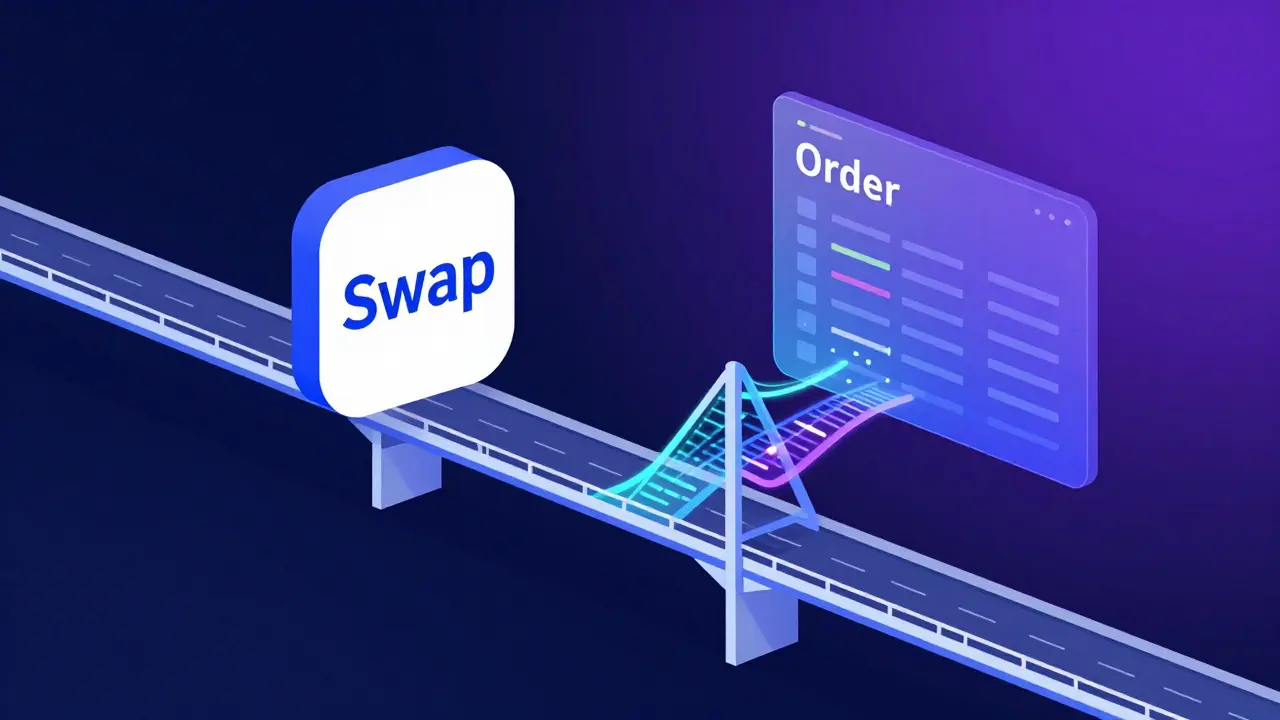
- Combines a simple "Swap" interface with a more advanced Order Book.
- Uses the RIN token for platform utility and staking.
- Offers automated trading via CapyBot, though this targets the Sui blockchain.
- Low market capitalization suggests a high-risk, low-liquidity environment.
The Basics: What exactly is Aldrin?
Before it was Aldrin, this project lived under the name Cryptocurrencies.ai. The rebrand wasn't just about a new logo; it was a strategic move to position itself as a comprehensive DeFi hub. Backed by names like Alameda Research and Alphabit, the platform aims to make Decentralized Finance (DeFi) less intimidating for the average person without stripping away the power that pro traders need. Unlike a centralized exchange where a company holds your keys, Aldrin is non-custodial. This means you connect your own wallet, and you maintain full control of your funds. Because it sits on top of the Solana network, it avoids the massive gas fees and sluggish confirmation times that plague Ethereum-based platforms. If you've ever waited ten minutes for a transaction to clear, the speed here will feel like a breath of fresh air.Trading Tools: From Basic Swaps to Order Books
One of the biggest hurdles for beginners in DeFi is the interface. Most DEXs use an Automated Market Maker (AMM) model, which is basically a "set it and forget it" price mechanism. While Aldrin supports this through its simple Swap feature-where you just pick "From" and "To" tokens and hit confirm-it offers something more substantial for those who want control. The platform features a full Order Book. In the world of DEXs, this is a big deal. Instead of just accepting the current market price, you can see exactly what other traders are asking for and what they're willing to pay. This allows you to place limit orders, meaning you can tell the exchange: "Only buy this token if the price drops to X," rather than buying at whatever price the pool dictates.| Feature | Swap (AMM) | Order Book |
|---|---|---|
| User Level | Beginner | Intermediate/Pro |
| Price Control | Market Price (Slippage) | Limit Orders |
| Speed to Execute | Instant | Depends on Order Match |
| Complexity | Very Low | Moderate |
Breaking Down the RIN Token
Every DEX likes to have its own currency, and for Aldrin, that's RIN. This isn't just a speculative coin; it's a utility token designed to power the ecosystem. If you hold RIN, you can engage in token staking. By locking up your RIN or mSOL tokens in the Staking tab, you earn a yield, effectively putting your assets to work while you wait for the market to move. However, looking at the numbers, you need to be cautious. As of early April 2026, the market cap for RIN is quite small-around $16.58K. For context, the price has been volatile, sliding from roughly $0.0024 in mid-2025 to about $0.0012 in 2026. There's also the issue of supply. With a maximum cap of 50 million coins and only about 12.36 million currently circulating, there is a lot of room for more tokens to enter the market. If the team releases those remaining tokens without a massive surge in demand, you could see significant price dilution. It's a classic high-risk, high-reward scenario.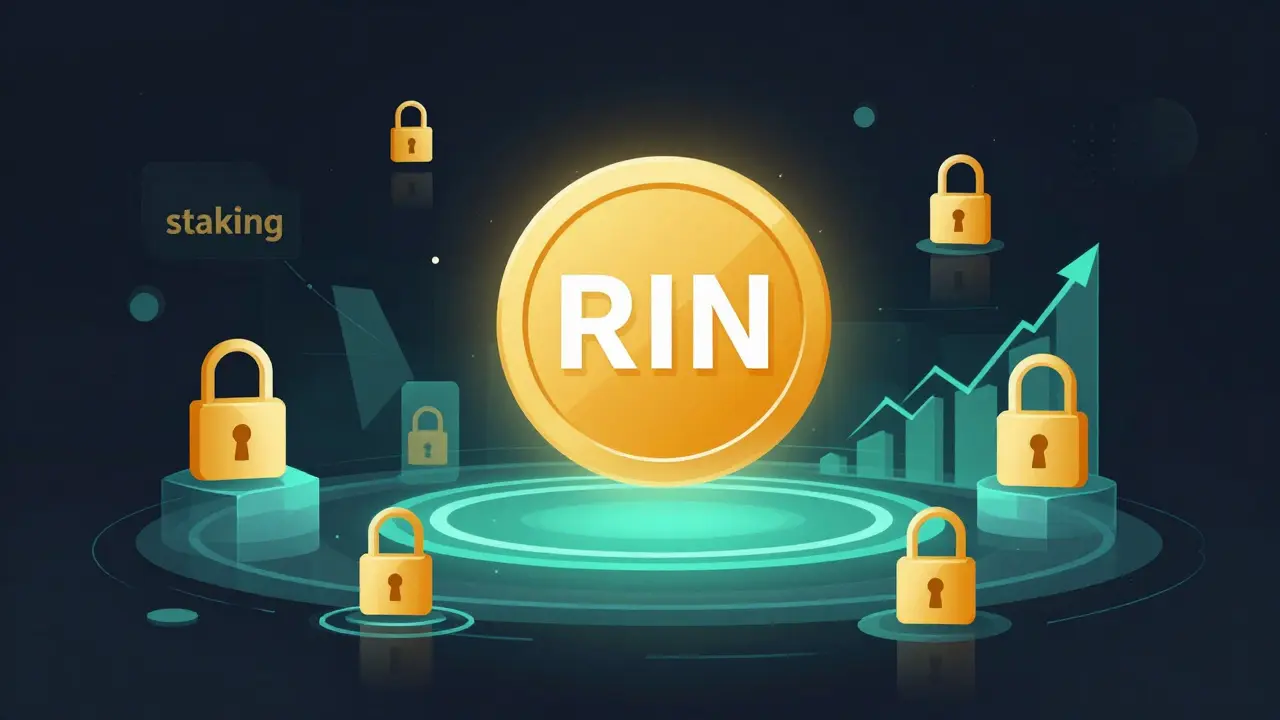
Expanding the Horizon: CapyBot and Sui
One interesting pivot from Aldrin Labs is the development of CapyBot. While the main exchange lives on Solana, CapyBot is built for the Sui blockchain. This is an automated trading bot that scans multiple Sui-based DEXs to find profitable arbitrage opportunities. For the developers out there, CapyBot is pretty flexible. It uses a Strategy interface, meaning you can write your own rules for how the bot should trade. It pulls pricing data from the CCXT (CryptoCurrency eXchange Trading Library), which connects it to the heavy hitters like Binance, Coinbase, and Kraken. This shows that the team behind Aldrin isn't just thinking about a simple swap page-they're building a broader suite of algorithmic trading tools.How to Actually Use Aldrin
Getting started isn't as complicated as it sounds, but you can't just sign up with an email and password. You need a Solana-compatible wallet (like Phantom or Solflare).- Connect Your Wallet: Head to the Aldrin dashboard and link your wallet. This is your "account."
- Fund Your Wallet: Make sure you have some SOL for transaction fees and the tokens you want to trade (e.g., USDC).
- Choose Your Path: Use the "Swap" tab for a quick trade or the "Order Book" if you want to set a specific price point.
- Execute: Select your token pair (like SOL/USDC), enter the amount, and approve the transaction in your wallet.

The Verdict: Pros and Cons
Is Aldrin the best choice for everyone? Probably not. If you're a whale moving millions of dollars, the low liquidity and tiny market cap of RIN might be a dealbreaker. But if you're an adventurous trader looking for a clean interface on Solana or someone interested in automated trading on Sui, it's worth a look. The Good:- Blazing fast speeds thanks to the Solana backbone.
- Order book functionality gives you a professional edge over basic swaps.
- The inclusion of staking allows for passive income generation.
- Clean, modern design that doesn't scare off beginners.
- Very low market adoption compared to giants like Uniswap or Raydium.
- High volatility and potential for token dilution with the RIN supply.
- Limited accessibility for purchasing the native token.
Is Aldrin safe to use?
Aldrin is a decentralized exchange, meaning it doesn't hold your funds-you do. However, the safety of any DEX depends on the smart contract audits and the liquidity of the pools. Given its small market cap, there is higher price volatility and liquidity risk compared to larger platforms.
How is RIN different from other exchange tokens?
RIN serves as a utility token for the Aldrin ecosystem. Its primary uses are facilitating operations and allowing users to earn yield through staking. Unlike tokens from massive exchanges, RIN currently has a much smaller community and higher price sensitivity.
Can I buy RIN on Binance?
No, you cannot buy RIN directly on the centralized Binance exchange. You must use the Binance Web3 Wallet or a decentralized exchange like Raydium to acquire it.
What is CapyBot and does it work on Aldrin?
CapyBot is an automated trading bot developed by Aldrin Labs. While Aldrin itself is on Solana, CapyBot is specifically designed for DEXs on the Sui blockchain, allowing users to execute algorithmic trades across different Sui-based pools.
Does Aldrin support limit orders?
Yes, through its Order Book interface, Aldrin allows traders to set specific price targets for their trades, which is a significant upgrade over the standard AMM "swap" model found on many other DEXs.


Author
Ronan Caverly
I'm a blockchain analyst and market strategist bridging crypto and equities. I research protocols, decode tokenomics, and track exchange flows to spot risk and opportunity. I invest privately and advise fintech teams on go-to-market and compliance-aware growth. I also publish weekly insights to help retail and funds navigate digital asset cycles.