
If you’re new to crypto and looking for a simple place to trade futures, you might have come across Coinavenir. It promises an easy experience for people who aren’t finance experts. But here’s the real question: is it safe, or just another shiny app with no substance behind it?
What Is Coinavenir, Really?
Coinavenir launched in September 2023 with one clear goal: to make crypto derivatives trading less confusing. Unlike Binance or ByBit, which throw dozens of indicators, leverage options, and complex charts at you, Coinavenir claims to strip away the noise. It’s built for people who don’t know what a “perpetual contract” is - and that’s not a bad thing. But simplicity shouldn’t mean secrecy. The exchange doesn’t have a single headquarters. It operates across Vietnam, Taiwan, Indonesia, Saint Vincent, and Singapore. That’s not unusual for crypto platforms, but it does raise red flags. If you’re in New Zealand, Canada, or the EU, you won’t find clear answers about whether you’re legally allowed to use it. No official terms of service page lists supported countries. That’s a problem when you’re depositing real money.Trading Features: Simple, But Extremely Limited
Coinavenir focuses almost entirely on perpetual futures - that’s a type of contract that lets you bet on price movements without owning the actual coin. It supports maybe 10-15 trading pairs, mostly Bitcoin, Ethereum, and a few top altcoins. That’s tiny compared to Binance’s 1,000+ pairs. There’s no spot trading, no staking, no NFT marketplace, no DeFi integrations. It’s just futures. The interface looks clean. Buttons are big. No confusing tabs. That’s good for beginners. But here’s the catch: there’s no demo account. No tutorial videos. No help center. If you’ve never traded before, you’re on your own. Even platforms like Kraken offer free educational content. Coinavenir doesn’t. You won’t find API access either. That means automated trading bots, custom scripts, or algorithmic strategies? Not possible. If you’re a casual trader, that’s fine. But if you ever want to grow beyond clicking buttons, you’ll hit a wall.Security: Claims Without Proof
Coinavenir says it uses automated cold storage. Every coin you deposit goes straight into an offline wallet. That’s a good practice - and most reputable exchanges do it. But here’s the issue: they don’t show proof. Compare that to Coinbase. They publish monthly reports showing exactly how much they hold in cold storage. They even have $180 million in insurance coverage. Coinavenir? Nothing. No audit reports. No third-party verification. No mention of insurance. CoinMarketCap explicitly says “Total asset reserve data unavailable.” That’s not just a lack of detail - it’s a warning. And there’s no record of any security audit. Not one. Not even a press release saying they hired a firm to check their systems. Meanwhile, 68% of the top 20 crypto exchanges have had independent security audits in the last year, according to the 2025 GENIUS Act compliance report. Coinavenir isn’t one of them. In 2025 alone, hackers stole $3.1 billion from crypto exchanges. Over 60% of those thefts came from hot wallets. Coinavenir claims their hot wallet usage is minimal, but without public data, you’re trusting them on word alone.
KYC: Mandatory, No Exceptions
You can’t even trade without giving your ID. Coinavenir requires full KYC - name, address, government ID, selfie. That’s stricter than some competitors. UEEx, for example, lets you trade small amounts without KYC. Coinavenir doesn’t offer that option. For some, this is a plus. It means they’re trying to follow the law. But for others, especially in countries with unstable governments or strict financial controls, this is a dealbreaker. And again - no transparency about how they store your data. No privacy policy you can read. No mention of GDPR or other protections.Transparency: The Biggest Red Flag
CoinMarketCap lists Coinavenir as “untracked.” That means they haven’t provided any verified trading volume data. The exchange could be dead. Or it could be hiding activity. Either way, you can’t tell. There are no user reviews on Trustpilot. No discussion threads on Reddit. No YouTube videos breaking down the platform. Zero. Not even a single negative comment. That’s not normal. Even new, sketchy exchanges get talked about. If no one’s talking about it, that’s a sign. Compare that to ByBit. After their $1.5 billion hack in 2025, people flooded forums with questions. That’s bad, but at least people knew what happened. Coinavenir? Silence.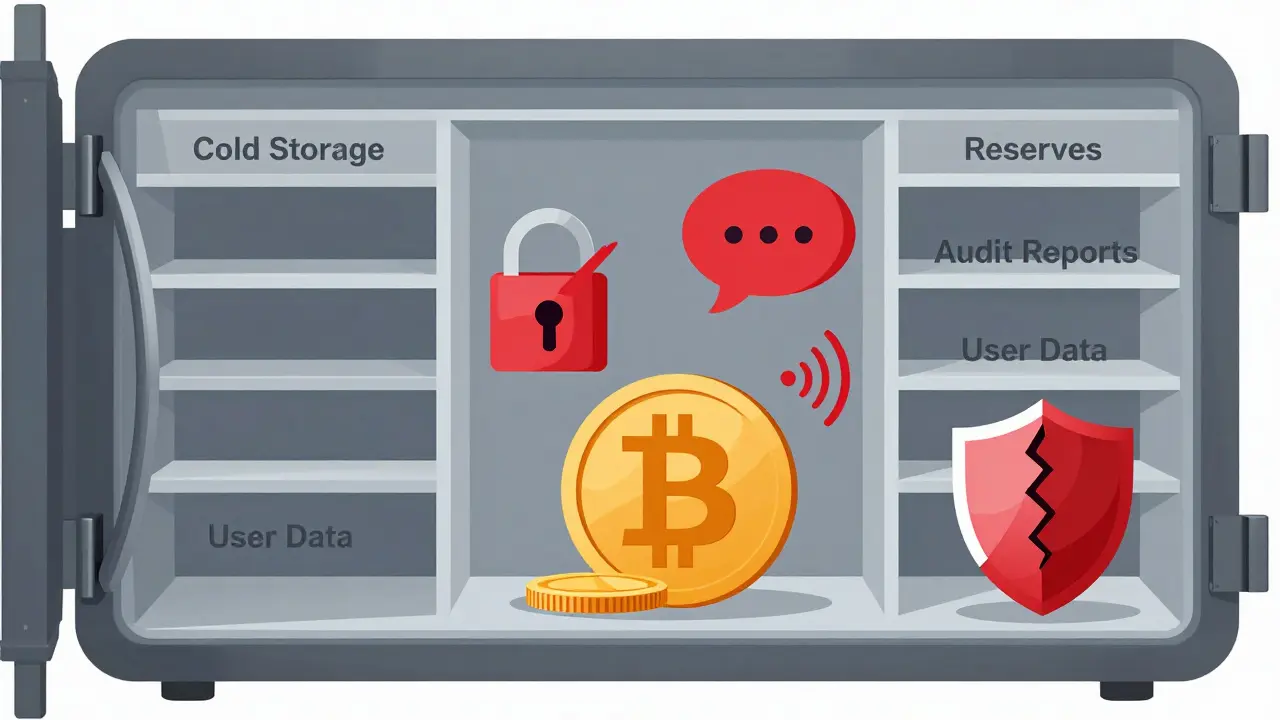
Who Is This For?
Coinavenir targets beginners. That’s fine. But being beginner-friendly doesn’t mean being reckless. If you’re new to crypto, your first priority shouldn’t be finding the easiest interface. It should be finding the safest one. There are better options for newcomers:- Coinbase - Simple, regulated, insured, with free learning resources.
- Kraken - Transparent about reserves, offers demo trading, strong security track record.
- ByBit - More complex, but has 30% market share, public audits, and 24/7 support.
The Bottom Line
Coinavenir looks nice. It might even work - for now. But you’re putting your money into a black box. No audits. No insurance. No transparency. No user feedback. No proof of reserves. No clear legal standing. If you’re just experimenting with $20, maybe it’s fine. But if you’re depositing hundreds or thousands? That’s gambling - not trading. The crypto world is full of flashy apps that vanish overnight. Coinavenir doesn’t have the track record, the audits, or the community to prove it’s any different. Until they start showing real data - not promises - treat it like a demo, not a wallet.Is Coinavenir Worth It?
No - not yet. Not unless you’re okay with zero accountability. If you want to trade crypto futures as a beginner, go with Coinbase or Kraken. They’re not perfect, but at least you know where your money is - and what happens if things go wrong. Coinavenir? Keep watching. But don’t deposit.Is Coinavenir a scam?
Coinavenir isn’t confirmed as a scam, but it shows all the warning signs of one. No public audits, no insurance, no verified trading volume, no user reviews, and no clear regulatory standing. That doesn’t mean it’s stealing money - but it means you have no way to verify if it’s safe. In crypto, absence of proof is the same as proof of risk.
Can I withdraw my funds from Coinavenir?
According to their interface, yes - withdrawals are enabled. But there’s zero public data on withdrawal times, fees, or success rates. No users have reported delays or issues, simply because no one has talked about it. If you deposit, assume your funds could be locked for days or disappear without warning.
Does Coinavenir have a mobile app?
There is no official Coinavenir app on the Apple App Store or Google Play Store. The platform is accessible only through a mobile browser. That’s a red flag. Legitimate exchanges invest in native apps for performance, security, and user experience. A browser-only platform is harder to update securely and is more vulnerable to phishing.
What cryptocurrencies does Coinavenir support?
Coinavenir supports a very limited number of coins - likely just Bitcoin (BTC), Ethereum (ETH), Solana (SOL), Binance Coin (BNB), and maybe 3-5 others. There are no official lists published. CoinMarketCap shows no verified trading pairs. If you want to trade lesser-known tokens or stablecoins like USDT or USDC, you’ll need another exchange.
Is Coinavenir regulated?
No. Coinavenir doesn’t list any regulatory licenses. It operates across multiple countries, which is a common tactic to avoid being regulated by any single authority. In New Zealand, the US, or the EU, using unregulated exchanges can mean you have no legal protection if something goes wrong. Always choose exchanges registered with financial authorities like the FMA (New Zealand), SEC (US), or FCA (UK).
How does Coinavenir compare to Binance or ByBit?
Binance and ByBit offer hundreds of trading pairs, deep liquidity, public audits, insurance funds, 24/7 support, and verified user reviews. Coinavenir offers a cleaner interface but nothing else. It lacks the infrastructure, transparency, and market trust that make those platforms viable for serious trading. If you’re looking for simplicity, Coinbase is a better choice - it’s regulated, insured, and beginner-friendly without hiding behind silence.


Author
Ronan Caverly
I'm a blockchain analyst and market strategist bridging crypto and equities. I research protocols, decode tokenomics, and track exchange flows to spot risk and opportunity. I invest privately and advise fintech teams on go-to-market and compliance-aware growth. I also publish weekly insights to help retail and funds navigate digital asset cycles.