
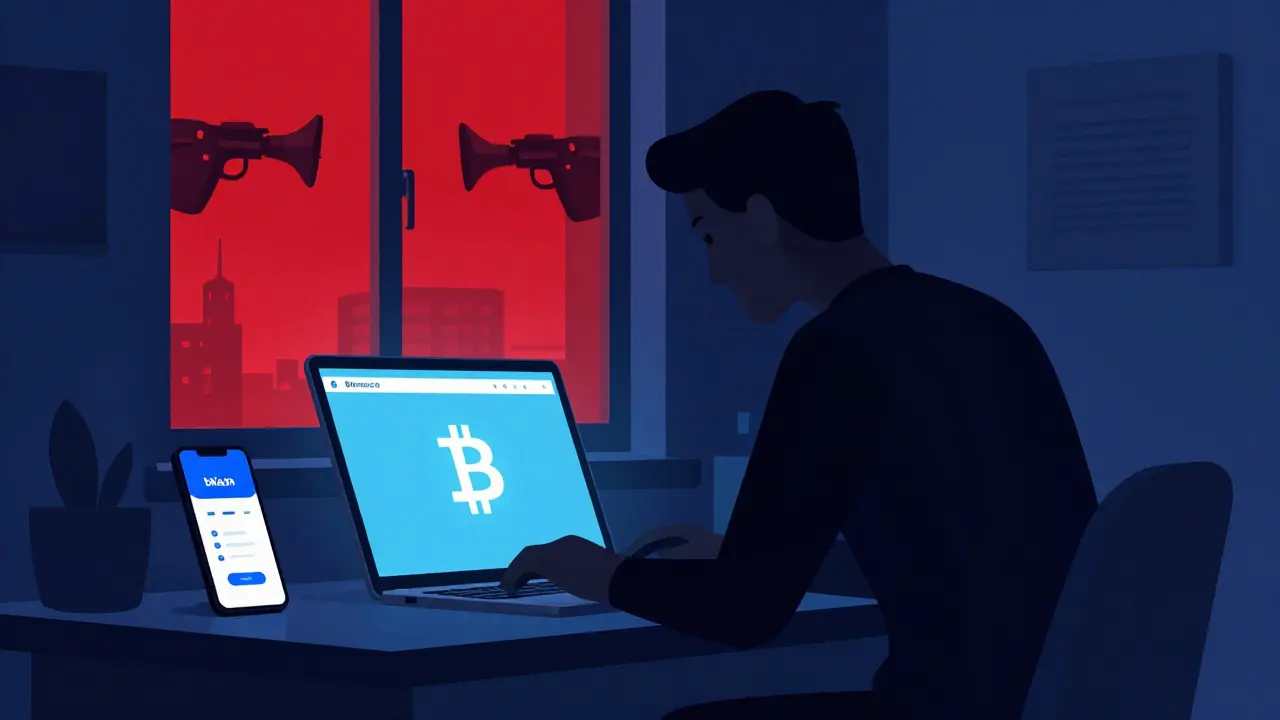
Buying or selling Bitcoin in Bangladesh isn’t just risky-it’s legally dangerous. Even though you might see apps like Binance or KuCoin still available on the Google Play Store, and thousands of people trade daily through local agents or peer-to-peer networks, the law doesn’t protect you. In fact, it actively targets you.
It’s Not Just a Warning-It’s a Ban
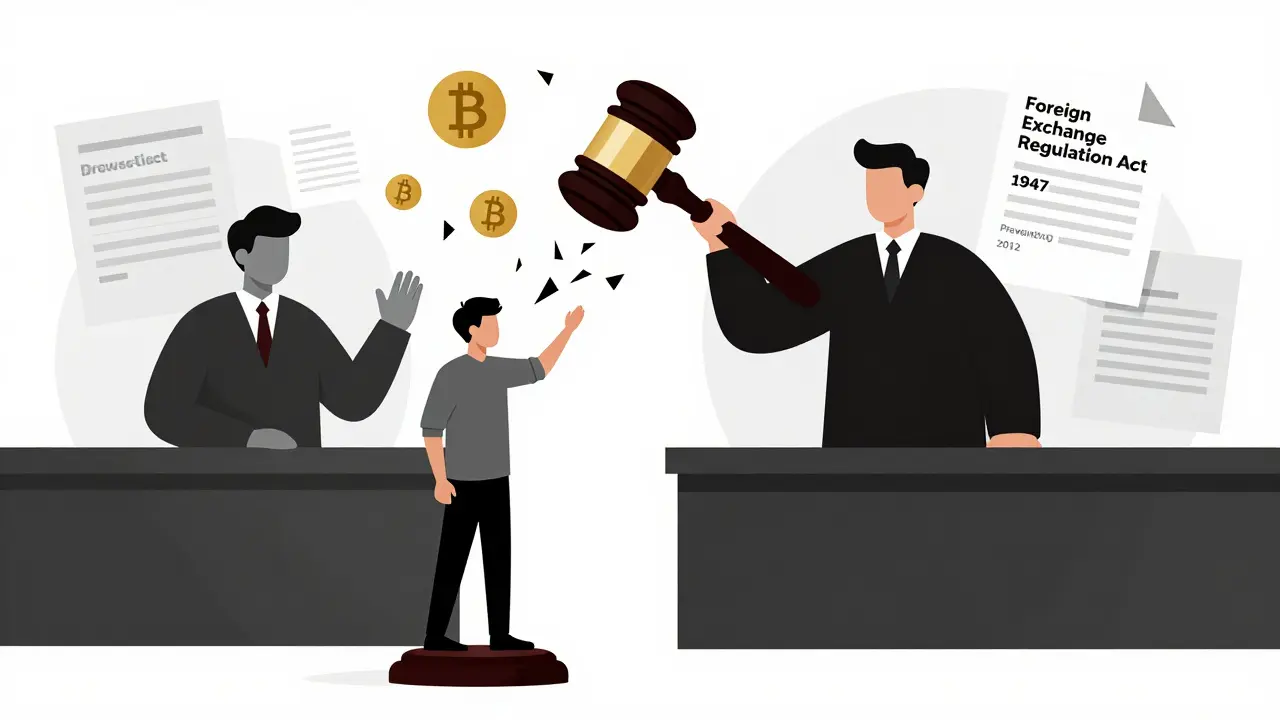
The Bangladesh Bank made it clear back in 2017: cryptocurrencies are not legal tender. That means you can’t use Bitcoin to pay for groceries, rent, or even send money to family abroad. But more than that, the central bank declared any trading, exchanging, or holding of digital currencies as a violation of the Foreign Exchange Regulation Act of 1947 and the Money Laundering Prevention Act of 2012.
It’s important to understand: there’s no specific law that says, "Owning Bitcoin is a crime." But that’s not the point. The government doesn’t need one. They use existing laws to crush crypto activity. If you trade Bitcoin, they charge you with money laundering. If you send money overseas using USDT, they say you’re violating foreign exchange rules. The law doesn’t target Bitcoin-it targets what they believe Bitcoin enables: untraceable money flows.
What Happens If You Get Caught?
Real people have gone to jail for this. In July 2022, 14 people in Dhaka were arrested for running a crypto exchange that handled $2.3 million. In February 2023, a trader named Mohammad Ali had 127 Bitcoin-worth over $12 million at the time-seized by authorities. In May 2024, seven university students in Chittagong were investigated for moving $85,000 a month through peer-to-peer trades.
The punishment isn’t a fine. It’s prison. Under Section 6 of the Money Laundering Prevention Act (amended in 2015), you can face 1 to 10 years behind bars. Fines range from 10,000 to 1,000,000 Bangladeshi Taka ($85-$8,500 USD). That’s not a slap on the wrist. That’s life-altering.
And it’s not just about big traders. Even small-time users are at risk. If your bKash or Nagad account shows regular payments to someone who later turns out to be a crypto agent, your account can be frozen. In 2024 alone, mobile financial service providers blocked over 2,800 accounts for suspected crypto activity. No warning. No appeal. Just locked out.
The Gray Zone: What the Government Won’t Tell You
Here’s the twist: in November 2021, the Bangladesh Bank sent a private note to the Criminal Investigation Department (CID) saying, "Trading or owning cryptocurrency is not illegal by itself." That document, CID Case No. 1147/2021, exists. But it’s never made public. The bank still issues quarterly warnings saying crypto is banned. The police still arrest people. The courts still convict.
This contradiction creates what legal expert Barrister Rokibul Hasan calls a "dangerous legal limbo." You think you’re safe because no law says "owning Bitcoin is illegal." But when the police show up at your door, they don’t care about your interpretation. They cite the Foreign Exchange Act. They cite the Money Laundering Act. And suddenly, you’re facing prison.
How People Still Trade-And Why It’s Risky
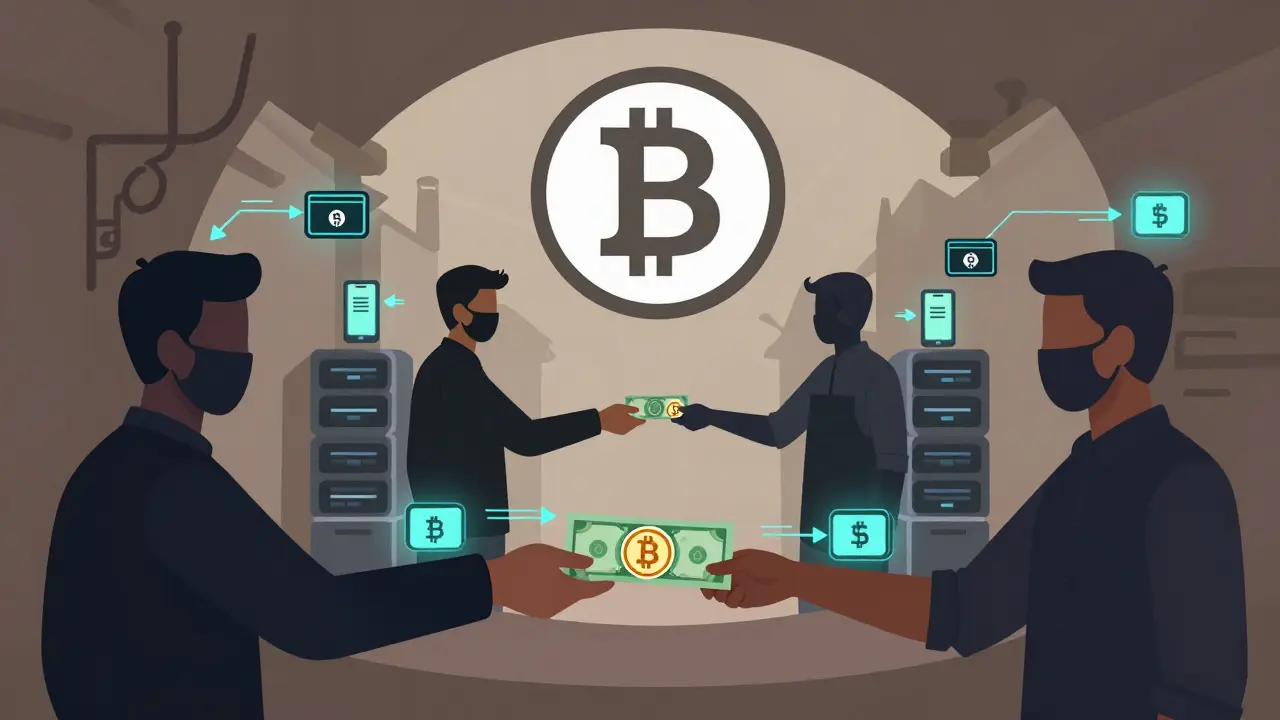
Despite the ban, an estimated 500,000 to 700,000 Bangladeshis still trade crypto. How? Through underground channels.
- Local agents take your Bangladeshi Taka and send you USDT on your wallet. They charge 3-5%.
- People use VPNs to access LocalBitcoins or Paxful.
- Apps like Binance and KuCoin remain on the Play Store, with 150,000-200,000 monthly users in Bangladesh, according to Sensor Tower data from March 2025.
But here’s the catch: these agents are not regulated. They’re not licensed. They’re just people with a phone and a bank account. And if they disappear? You lose everything. In June 2024, 23 traders lost $350,000 when their agent, "Sohel Rana," vanished after collecting payments.
Even using a VPN doesn’t make you safe. The Bangladesh Automated Clearing House (BACH) tracks international card transactions. In Q4 2024, 127 suspicious crypto-linked transactions were flagged. Your bank doesn’t need to know you’re buying Bitcoin-they just see money leaving the country and report it.
Taxes? No One Knows
Is crypto profit taxable? The National Board of Revenue (NBR) says yes-under the Income Tax Ordinance of 1984. If you make money trading Bitcoin, you’re supposed to pay 25% corporate tax or 30% personal income tax.
But there’s no official crypto tax form. No guidance. No system. No enforcement. That doesn’t mean you’re safe. It means you’re invisible. And in Bangladesh’s enforcement-heavy system, being invisible is worse than being illegal. You can’t prove you paid taxes. So if you’re audited, you’re assumed guilty.
Why the Ban Won’t Go Away
Some argue the ban hurts the economy. Dr. B M Mainul Hossain, a finance professor at Dhaka University, estimates Bangladesh loses $150 million a year in potential tax revenue and innovation because of the ban. Remittances make up 6.1% of GDP-$21.1 billion in 2024. Many Bangladeshis abroad send money via crypto because it’s faster and cheaper than traditional wire services.
But the Bangladesh Bank says crypto threatens monetary policy. They fear people will stop using the Taka. They worry about capital flight. They don’t trust decentralized systems. Governor Dr. Abdur Rouf Talukder has made it clear: there’s no plan to lift the ban. Finance Minister Abul Hassan Mahmood Ali confirmed this in March 2025.
And yet, the government is investing in blockchain-just not crypto. In January 2025, the central bank launched a sandbox for blockchain applications in supply chains, land records, and healthcare. They want the technology, but not the currency.
What This Means for You
If you’re trading Bitcoin in Bangladesh, you’re not breaking a law that says "don’t trade crypto." You’re breaking laws that say "don’t move money illegally" and "don’t launder funds." The system isn’t designed to catch you for owning Bitcoin. It’s designed to catch you for how you use it.
Here’s what you need to know:
- Using a local agent? You’re handing your money to someone with no legal responsibility. If they run, you lose it.
- Using bKash or Nagad to pay for crypto? Your account can freeze without warning.
- Using a VPN and Binance? Your bank may still flag your transactions.
- Claiming you didn’t know it was illegal? That won’t save you.
There is no safe way to trade Bitcoin in Bangladesh right now. The risk isn’t just financial-it’s personal. Your freedom is on the line.
What’s Next?
Regional neighbors are moving forward. India taxes crypto but allows it. Pakistan is exploring Bitcoin reserves. Sri Lanka is drafting regulations. Bangladesh? It’s digging in.
Until the government creates clear rules-where owning, trading, and taxing crypto are defined-this will remain a high-stakes game of hide and seek. And in Bangladesh, the authorities always win.


Author
Ronan Caverly
I'm a blockchain analyst and market strategist bridging crypto and equities. I research protocols, decode tokenomics, and track exchange flows to spot risk and opportunity. I invest privately and advise fintech teams on go-to-market and compliance-aware growth. I also publish weekly insights to help retail and funds navigate digital asset cycles.