
It doesn't matter how many times you switch IP addresses or which VPN you pay for. If you are a Chinese resident in 2026, the answer to "which crypto exchanges should I use?" is actually very simple: none of them.
The landscape shifted dramatically on June 1, 2025, when the People's Bank of China (PBOC) enforced a comprehensive ban on all cryptocurrency activities. This wasn't just a tweak to existing rules; it was a total reset. Trading, mining, and even individual ownership of digital assets became illegal for citizens within Chinese jurisdiction. For anyone living in Beijing, Shanghai, or anywhere else in mainland China, accessing platforms like Binance is a high-risk activity that can lead to frozen bank accounts and legal prosecution under current PBOC mandates is no longer a gray area-it’s a direct violation of federal law.
The New Reality: Zero Tolerance Since 2025
To understand why every exchange is off-limits, you have to look at what changed in mid-2025. Before this date, there were loopholes. You could trade on overseas platforms, use peer-to-peer (P2P) markets, or rely on decentralized finance (DeFi) protocols that didn’t require strict identity verification. Those days are over.
The May 30, 2025 decree issued by the PBOC closed every known backdoor. It explicitly targeted overseas exchanges, prohibiting them from serving Chinese residents through any means. This means that even if an exchange has no physical office in China, if they accept your money or recognize your identity as a Chinese resident, they are breaking Chinese law-and so are you.
Financial institutions in China are now categorically forbidden from providing any service related to crypto. This includes account opening, fund transfers, and settlement processes. If your bank sees a transaction linked to a virtual currency platform, their mandate is clear: block it and report it. The net has tightened significantly, making the act of simply moving money to an exchange a detectable event.
Why Major Exchanges Are Off-Limits
You might be wondering if there is a "safe" list of smaller, less-known exchanges. There isn't. The ban applies to the activity, not just specific companies. However, knowing which platforms are most aggressively monitored helps you understand the risk profile.
Coinbase is a US-based centralized exchange that complies with global sanctions but offers no protection against Chinese domestic enforcement actions, Kraken is a European-regulated exchange that restricts access based on IP geolocation but cannot shield users from local banking blocks, and legacy players like Huobi is a formerly Chinese-origin exchange that rebranded to HTX to distance itself from domestic restrictions but remains fully prohibited for mainland residents are all effectively banned. Even newer entrants like OKX, KuCoin, and Gate.io fall under this comprehensive prohibition.
| Exchange Platform | Legal Status in China | Risk Level |
|---|---|---|
| Binance | Prohibited | Extreme |
| OKX | Prohibited | Extreme |
| Huobi (HTX) | Prohibited | Extreme |
| Coinbase | Prohibited | High |
| KuCoin | Prohibited | High |
| Decentralized Exchanges (Uniswap, etc.) | Prohibited (Activity) | Moderate-High |
Note that even decentralized exchanges (DEXs), where you connect a wallet directly without a central intermediary, are not safe havens. While the code is open-source, the act of swapping tokens for fiat or using stablecoins derived from fiat is part of the prohibited ecosystem. The Ministry of Public Security tracks blockchain addresses linked to fiat on-ramps, meaning your anonymity on-chain does not protect you from financial monitoring offline.
How Enforcement Actually Works
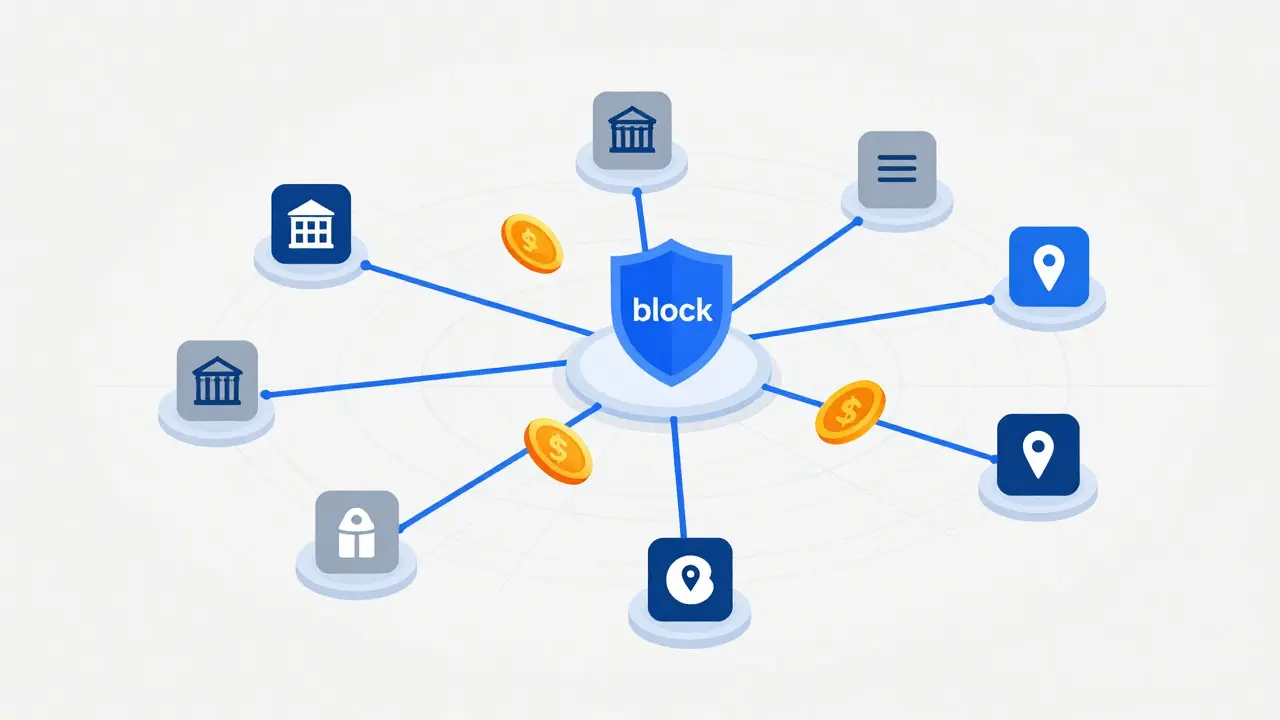
The fear of being caught is not unfounded because the enforcement mechanism is sophisticated and multi-layered. It’s not just about police knocking on doors; it’s about your money disappearing from your bank account.
China uses a coordinated working mechanism involving the PBOC, the Ministry of Public Security, and internet regulators. They employ a mix of online tracking and offline inspections. Internet companies operating in China-think WeChat, Alipay, and major telecom providers-are legally required to block and report crypto-related content. This creates a digital firewall that identifies keywords, apps, and communication patterns associated with trading.
If you try to buy Bitcoin using a third-party payment app, the system flags the transaction. Financial institutions must monitor customer funds sufficiently to identify and block any virtual currency-related activity. Once flagged, the consequences can include:
- Immediate freezing of bank accounts associated with the transaction.
- Asset seizure of funds deemed to be involved in illicit crypto trading.
- Criminal prosecution for violations of the 2025 decree, which carries severe financial penalties.
- Blacklisting from future financial services, making it hard to get loans or credit cards.
This is why "Know Your Customer" (KYC) requirements have flipped. Instead of verifying who you are to let you in, banks are verifying who you are to keep you out of crypto ecosystems. The goal is prevention and prohibition, not due diligence for safe trading.
The Historical Context: Why Now?
This total ban didn't happen overnight. It’s the culmination of a 16-year regulatory tightening process. Understanding this history helps explain why the government is so determined.
In 2009, the earliest prohibitions aimed at preventing the purchase of real-world goods with digital tokens. By 2013, banks were banned from engaging in Bitcoin transactions. In 2017, Initial Coin Offerings (ICOs) were crushed, forcing many exchanges to close or move headquarters overseas. The 2021 mining ban cited environmental concerns, pushing miners to Texas and Kazakhstan. But the 2025 decree was the final nail in the coffin, removing any ambiguity about individual ownership.
The government views private cryptocurrencies as a threat to monetary sovereignty. They want control over the digital economy, and unregulated assets undermine that control. This is why the alternative they offer is so strictly controlled.

The Legal Alternative: Digital Yuan (e-CNY)
If you are looking for digital financial innovation, the state-approved path is the Digital Yuan is China's Central Bank Digital Currency (CBDC) designed to replace cash and offer state-controlled digital payments. Unlike Bitcoin or Ethereum, the e-CNY is centralized, traceable, and fully backed by the state.
For Chinese residents, this is the only safe harbor. It allows for instant transfers, offline payments, and integration with existing apps like WeChat Pay and Alipay. It provides the convenience of digital currency without the legal risk. The government promotes this heavily as the future of retail payments, ensuring that while you lose access to global crypto markets, you gain a highly efficient domestic payment tool.
Traditional banking services remain the backbone of legal finance. Licensed payment platforms are robust and widely accepted. If you need investment products, government-approved bonds and mutual funds are the standard route. The message is clear: stay within the walled garden, and you are safe. Step outside, and you are exposed.
Global Implications and Future Outlook
China’s stance makes it an outlier in the global regulatory landscape. While the United States, the European Union, Japan, and Singapore have developed frameworks that permit licensed exchanges under compliance requirements, China maintains absolute prohibition. Even El Salvador adopted Bitcoin as legal tender, a move unthinkable in Beijing.
This isolation affects the broader crypto ecosystem. Given the size of the Chinese market, any hint of policy relaxation causes price surges globally. However, as of late 2025 and into 2026, indicators suggest the government remains committed. They are focusing on blockchain technology applications under state control-using the tech without the token.
For the average Chinese citizen, the choice is binary. You either comply with domestic law and use the digital yuan and traditional banks, or you face serious legal consequences. Relocating to jurisdictions with permissive regulations is the only way to safely participate in global crypto markets again. Until then, the safest exchange to avoid is every single one of them.
Can Chinese residents use Binance in 2026?
No. Under the June 2025 PBOC decree, Binance and all other international exchanges are explicitly prohibited from serving Chinese residents. Using these platforms can result in frozen bank accounts and legal penalties.
Is owning Bitcoin illegal in China?
Yes. The 2025 ban made individual ownership of digital currencies illegal for Chinese citizens. This goes beyond just trading; holding assets is considered a violation of the comprehensive prohibition on crypto activities.
What happens if my bank detects a crypto transaction?
Financial institutions are mandated to block and report such transactions. Consequences include immediate asset seizure, freezing of your bank account, potential criminal prosecution, and blacklisting from future financial services.
Are decentralized exchanges (DEXs) safe to use?
Not really. While DEXs don't have central intermediaries, the activity of swapping tokens and using stablecoins is still part of the prohibited ecosystem. Authorities track blockchain addresses linked to fiat on-ramps, so anonymity on-chain does not guarantee safety from financial monitoring.
What is the legal alternative to crypto in China?
The Digital Yuan (e-CNY) is the state-approved Central Bank Digital Currency. It offers digital payment innovation with full state backing and traceability, integrated into platforms like WeChat Pay and Alipay.
Will the crypto ban be lifted in the near future?
Current indicators as of 2026 suggest the government remains committed to the prohibition. The focus is on developing the Digital Yuan and controlling blockchain technology under state supervision, rather than allowing private crypto markets.
Author
Ronan Caverly
I'm a blockchain analyst and market strategist bridging crypto and equities. I research protocols, decode tokenomics, and track exchange flows to spot risk and opportunity. I invest privately and advise fintech teams on go-to-market and compliance-aware growth. I also publish weekly insights to help retail and funds navigate digital asset cycles.