
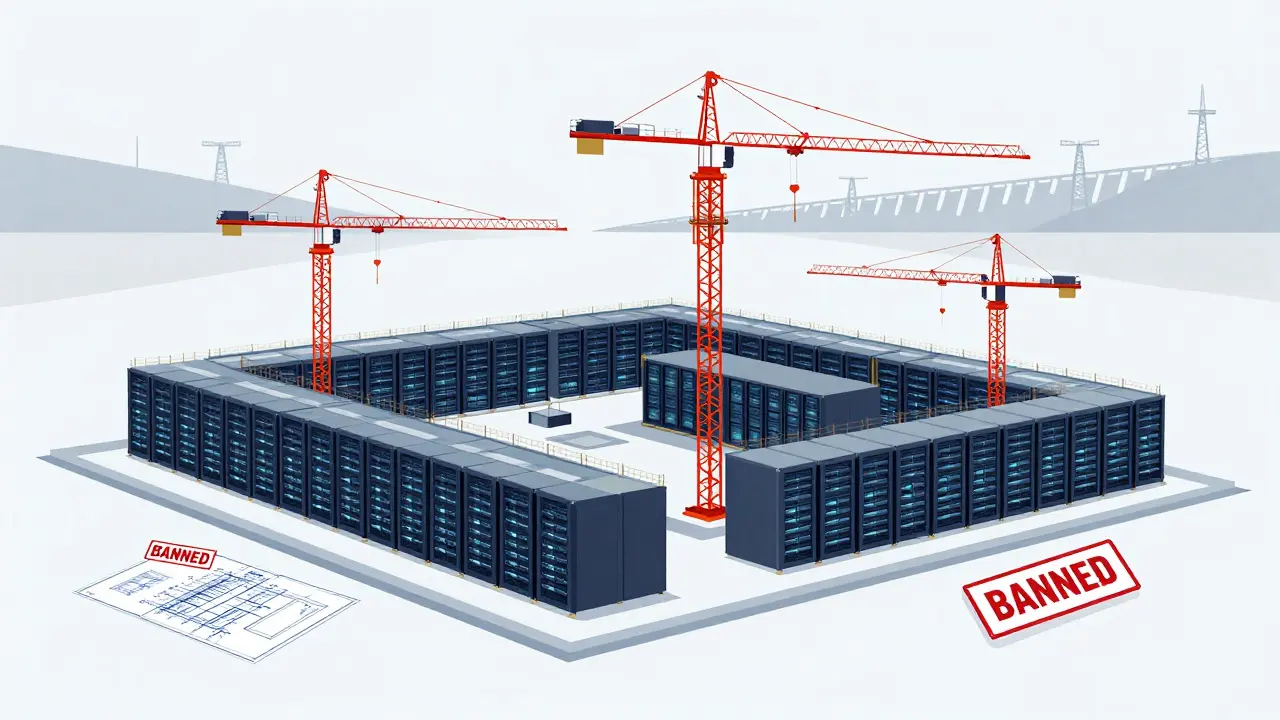
When Norway announced its new rules on cryptocurrency mining data centers, it didn’t just make headlines-it changed the game. By January 2025, the country became the first in Europe to require every data center to register with the government. And by autumn 2025, it stopped new crypto mining facilities from being built. Bitcoin mining isn’t banned outright, but if you’re trying to set up a new operation, you’re out of luck. This isn’t about shutting down tech-it’s about who gets to use Norway’s clean electricity.
Why Norway Is Taking This Step
Norway produces almost all its electricity from hydropower. That sounds perfect for crypto mining, right? After all, miners need massive amounts of power, and Norway has plenty. But the government says mining doesn’t bring enough value to justify the cost. While factories, steel plants, and data centers for public services create jobs and tax revenue, crypto mining mostly brings in foreign-owned servers and high electricity bills. There are no local engineers hired, no supply chains built, and little long-term economic return. Minister Karianne Tung put it plainly: "Cryptocurrency mining is very power-intensive and generates little in the way of jobs and income for the local community." That’s the core of Norway’s policy. They’re not against technology-they’re against using their renewable energy for something that doesn’t benefit Norwegians.How the Registration System Works
Every data center in Norway, whether it’s hosting websites, cloud apps, or crypto miners, must now register with the Norwegian Communications Authority (Nkom). This isn’t just a formality. Operators have to give:- Their legal business name and registered address
- Contact details for a government liaison
- A full list of customers-yes, even if they’re private companies
- A clear declaration of whether cryptocurrency mining is one of the services offered
The Temporary Ban on New Mining Centers
The ban that kicked in autumn 2025 doesn’t touch existing mines. It only blocks new construction. That means if you had a facility running in 2024, you’re still legal. But if you’re planning to build one in 2026? You can’t. Not in Norway. The government didn’t define exactly how much power triggers the ban. Is it 10 megawatts? 50? 100? That’s still unclear. This lack of detail is causing headaches for operators. Some think they’re safe. Others are shutting down plans because they’re afraid they’ll cross an invisible line. Legal teams are scrambling to interpret what "power-intensive" really means. This approach is different from China’s 2021 ban, which wiped out all mining overnight. Norway chose a surgical strike: protect what’s already here, but stop growth. It’s a middle ground-strict, but not total.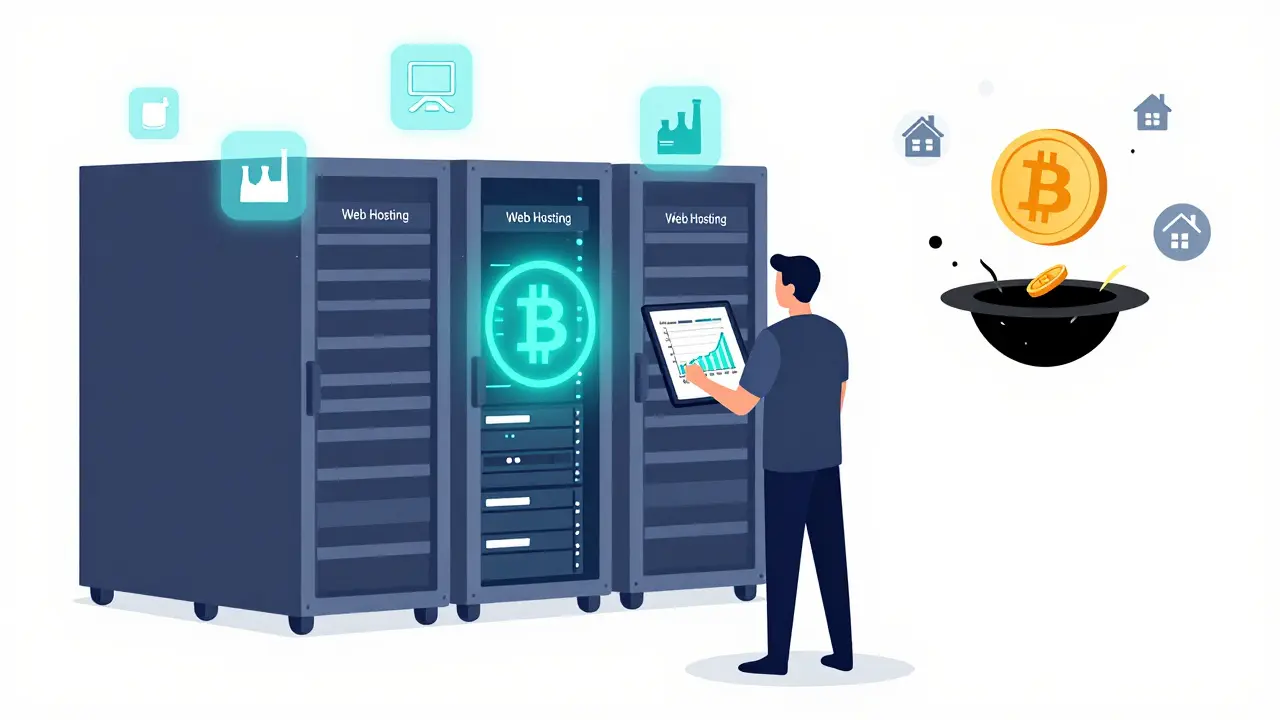
How This Compares to Other Countries
Norway’s move stands out in Europe. Iceland, Sweden, and Finland still welcome crypto miners. They offer low electricity prices and light regulation. Many mining firms that left Norway moved there instead. In the U.S., states like Texas and Georgia are actively courting miners with tax breaks and grid access. Canada’s Quebec has a similar renewable energy advantage but no registration system. Even Kazakhstan, after tightening rules in 2022, relaxed them again in 2025 to attract investment. Norway is the only country that combines mandatory transparency with a hard stop on new builds. It’s not just regulation-it’s a statement. If you want to mine crypto in Europe, you can, but not here.Impact on the Industry
Mining companies are already adjusting. Some are shifting operations to Sweden and Finland. Others are looking at Canada, Georgia, and even parts of the U.S. Midwest where renewable power is cheap and rules are loose. The compliance cost is high. Small operators-often just a few racks in a warehouse-are feeling the pressure. Legal paperwork, reporting systems, and government audits add tens of thousands of dollars in overhead. Many are shutting down rather than paying. Meanwhile, environmental groups are applauding Norway. Climate advocates see this as a model: renewable energy should power homes, hospitals, and factories-not speculative digital assets with no real-world value.What’s Next for Norway?
The government hasn’t said whether the ban will become permanent. But officials are already reviewing whether to extend restrictions to existing operations. That’s the real threat. If they decide to cap power usage for current mines, or require them to reduce consumption, the entire industry could collapse. Some operators are already preparing for that. They’re building backup plans in other countries. Also, Norway is rolling out the EU’s Markets in Crypto Assets (MiCA) rules in 2025. That means mining firms will soon face financial reporting rules, licensing, and anti-money laundering checks. Now they’re caught between energy rules and financial rules. Two sets of regulators watching every move.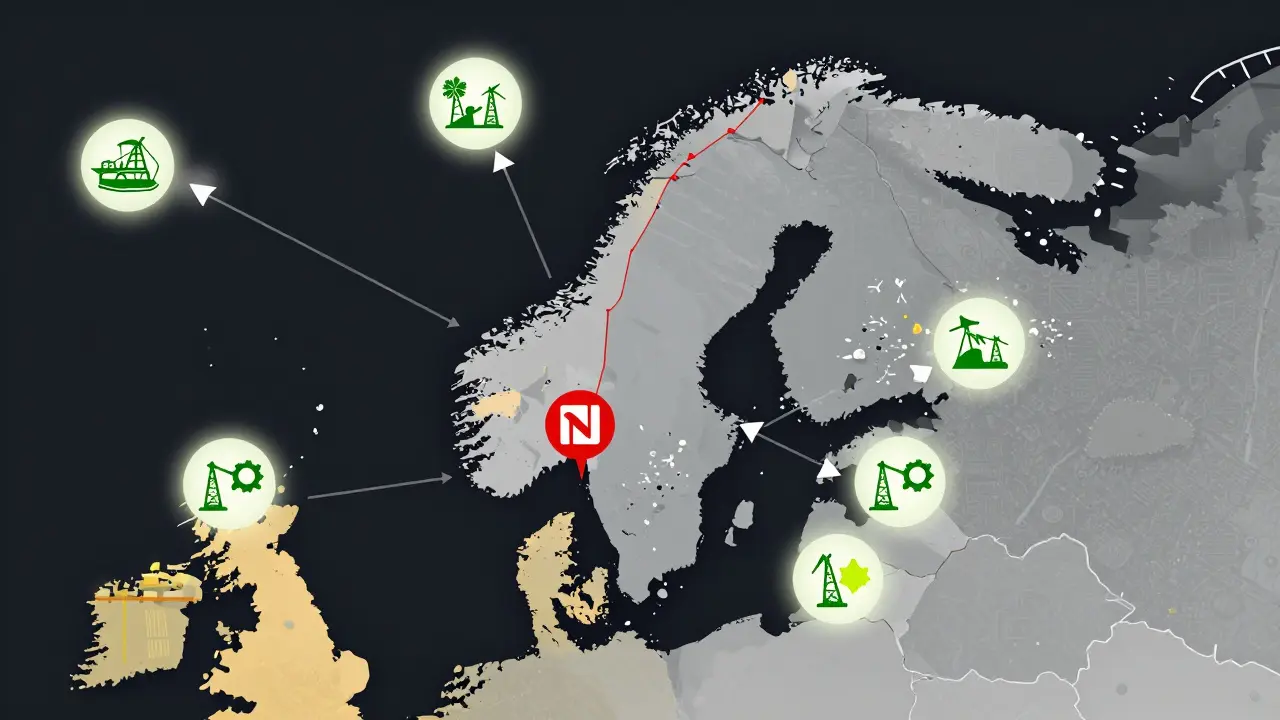
What This Means for Miners
If you’re a miner in Norway: you’re still allowed to run-but don’t expect help. No subsidies. No tax breaks. Just a growing list of paperwork and the looming chance that even your current operation could be restricted. If you’re thinking of starting one: walk away. Norway is closed for new business. Save your money. Look elsewhere. If you’re an investor or developer: pay attention. Norway’s approach could spread. Other countries with strong renewable grids-like Canada, Sweden, or even parts of the U.S.-might follow. The question isn’t whether crypto mining will be regulated. It’s whether it will be allowed to use clean energy at all.Key Takeaways
- Norway requires all data centers to register with Nkom as of January 2025
- New cryptocurrency mining data centers are banned from construction as of autumn 2025
- Existing mines are still legal but face heavy reporting obligations
- Non-compliance can lead to fines up to 5% of annual revenue
- The ban targets energy use, not technology-mining itself isn’t illegal
- Many operators have relocated to Sweden, Finland, and Canada
- Future restrictions on current operations are possible
Is cryptocurrency mining completely banned in Norway?
No, mining is not completely banned. Existing operations are still allowed to run. The ban only applies to new data centers built after autumn 2025. If you already have a mining facility, you can keep operating-but you must register with Nkom and follow all reporting rules.
What happens if I don’t register my data center?
You face financial penalties of up to 5% of your annual turnover. The Norwegian Communications Authority (Nkom) actively audits facilities using power usage patterns and customer disclosures. Non-compliant operators risk shutdowns, legal action, and reputational damage.
Can I still mine crypto using home equipment in Norway?
Yes, small-scale mining on a home setup isn’t regulated under these rules. The regulations target commercial data centers-facilities with dedicated infrastructure, multiple servers, and significant power draw. A single ASIC miner in your garage won’t trigger enforcement. But if you scale up and rent space or connect to a commercial grid, you’ll need to register.
Why does Norway care about crypto mining if it uses renewable energy?
Norway has plenty of hydropower, but it’s finite. The government believes that energy should go to industries that create jobs, tax revenue, and long-term economic growth-like manufacturing, tech hubs, and public services. Crypto mining brings in foreign capital but few local benefits. It’s seen as a high-cost, low-return use of a national resource.
Will other countries follow Norway’s lead?
Yes, several are watching closely. Countries like Canada, Sweden, and even U.S. states with strong renewable grids are debating similar rules. Norway’s model-mandatory registration plus a ban on new builds-is being studied as a way to balance clean energy use with economic priorities. If it works, expect more nations to adopt it.


Author
Ronan Caverly
I'm a blockchain analyst and market strategist bridging crypto and equities. I research protocols, decode tokenomics, and track exchange flows to spot risk and opportunity. I invest privately and advise fintech teams on go-to-market and compliance-aware growth. I also publish weekly insights to help retail and funds navigate digital asset cycles.