
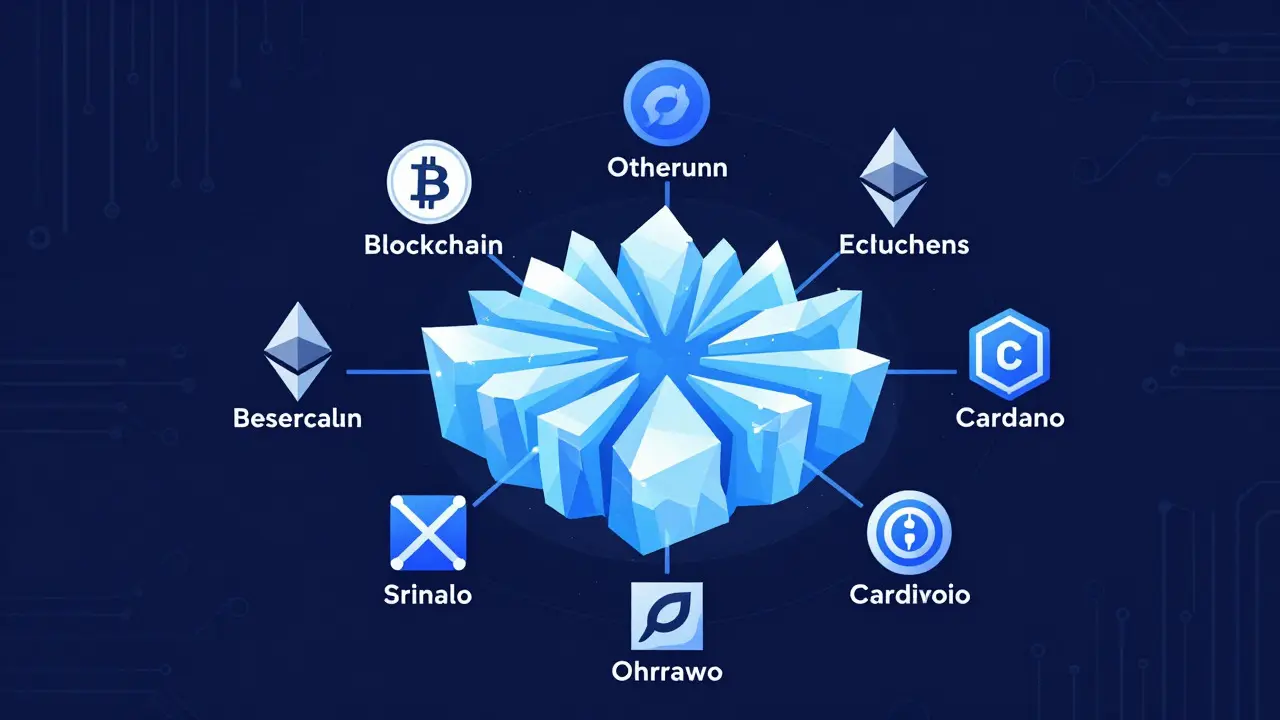
Imagine holding cryptocurrency across multiple blockchains and suddenly finding out you are eligible for a massive distribution of a new privacy-focused token. That was the reality for millions of users in mid-2025 with the Midnight airdrop, also known as the Glacier Drop. This event distributed 24 billion NIGHT tokens, the native utility token of the Midnight Network.
If you missed the initial window, you might be wondering if there is still a chance to get involved. The short answer is that the primary claiming phase has ended, but the story does not stop there. The Midnight project, built on the Cardano ecosystem and founded by Charles Hoskinson, designed this distribution to be more than just a quick giveaway. It is a complex, three-phase mechanism aimed at bootstrapping a decentralized network focused on "rational privacy." Here is everything you need to know about how it worked, who qualified, and what happens next.
What Is the Midnight Network?
To understand the value of the NIGHT token, you first need to understand the network it powers. Traditional blockchains like Bitcoin or Ethereum offer transparency, which is great for security but terrible for privacy. Every transaction is visible to everyone. On the other hand, privacy coins like Monero offer anonymity but often struggle with regulatory compliance and usability in mainstream finance.
Midnight Network aims to solve this tension. It is a privacy-centric sidechain built on Cardano that allows users to choose their level of privacy. You can keep your data private by default but selectively disclose information when needed-for example, proving you have enough funds for a loan without revealing your entire transaction history. This concept is called "rational privacy." The network uses advanced cryptography to merge real-world usability with strong data protection.
The Glacier Drop: How It Worked
The initial distribution, dubbed the "Glacier Drop," launched on August 6, 2025. It targeted holders across eight major blockchain ecosystems. The goal was to reward early adopters and active participants in the broader crypto space, not just those within the Cardano community.
| Blockchain | Allocation Percentage | Approximate Token Share |
|---|---|---|
| Cardano (ADA) | 50% | 12 Billion NIGHT |
| Bitcoin (BTC) | 20% | 4.8 Billion NIGHT |
| Ethereum (ETH), XRP, Solana, Avalanche, BNB, BAT | 30% (Shared) | 7.2 Billion NIGHT (Proportional) |
The snapshot for eligibility was taken on June 11, 2025. To qualify, you needed to hold at least $100 worth of the native asset of any supported chain at that specific moment. This dollar-denominated threshold meant that whether you held Bitcoin, ADA, or Solana, the barrier to entry was consistent in terms of value. For instance, if Bitcoin was trading at $50,000, you needed roughly 0.002 BTC. If ADA was at $2.50, you needed about 40 ADA.
Who Was Eligible? The Catch
While the list of supported chains was broad, the technical requirements were strict. The most significant hurdle was the requirement for self-custody wallets. The system checked for cryptographic proof that you controlled the private keys of your wallet. This automatically excluded the vast majority of users who kept their assets on centralized exchanges like Coinbase, Binance, or Kraken. Unless an exchange decided to claim on behalf of its users-which most did not due to complexity-those holdings counted for nothing.
Additionally, the system screened against the OFAC Specially Designated Nationals (SDN) list to ensure compliance with international sanctions. Any address flagged on this list was explicitly excluded from receiving tokens. This approach highlights Midnight’s commitment to being a compliant privacy solution rather than a tool for illicit activity.
How to Claim (For Those Who Made It)
For the nearly 34 million eligible addresses, the claiming process opened for a 60-day window, closing on October 4, 2025. Since today is August 8, 2026, this window is long closed. However, understanding the process helps explain why so many people may have missed out or failed to complete the steps.
- Connect Your Wallet: Users had to connect their original wallet (from one of the eight supported chains) to the official portal at midnight.gd or midnight.network.
- Provide Proof of Custody: The user signed a message to prove they owned the private keys without moving any funds.
- Specify Destination: Crucially, users had to provide a fresh, unused Cardano wallet address to receive the NIGHT tokens. This required non-Cardano users to set up a new wallet using tools like Eternl, Lace, or Yoroi.
- Confirm and Wait: Once verified, the tokens were allocated but locked into a vesting schedule.
The friction here was significant. Asking a Bitcoin-only holder to create a Cardano wallet and navigate cross-chain concepts created a steep learning curve. Many eligible users likely dropped out during this step.
The Vesting Schedule: No Instant Cash-Outs
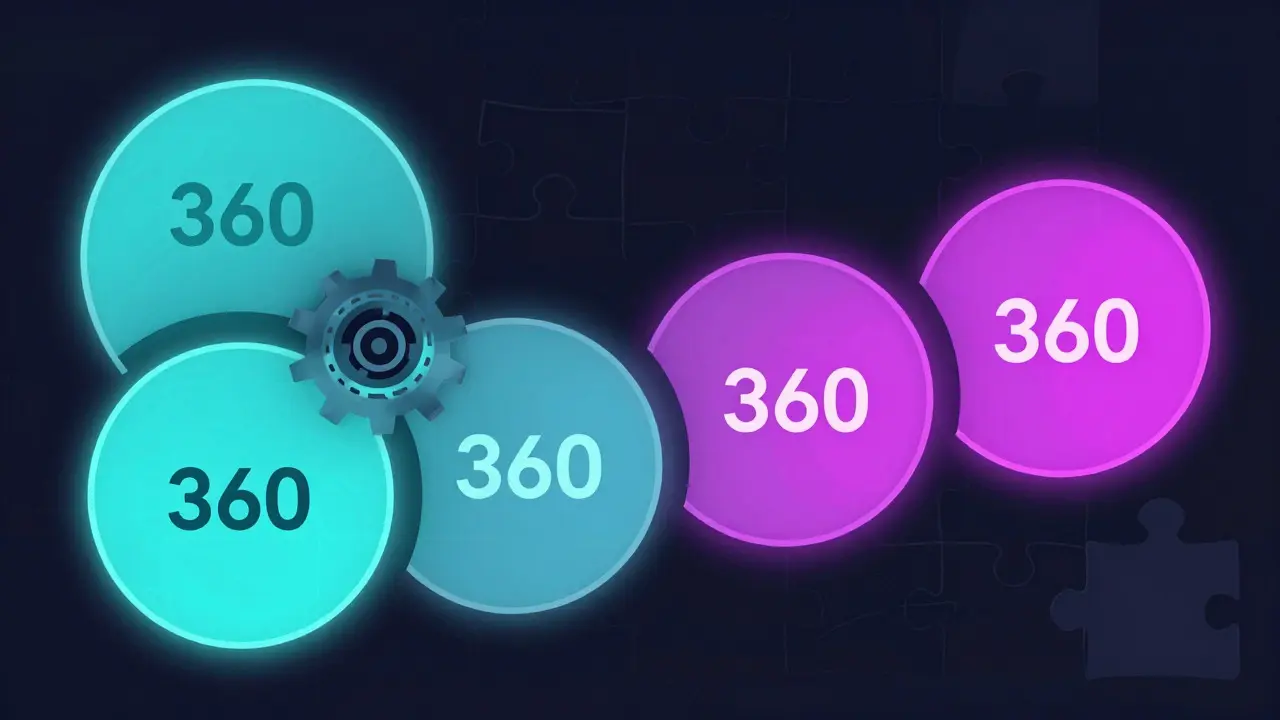
If you claimed your NIGHT tokens, you didn’t get immediate liquidity. The project implemented a sophisticated vesting schedule to prevent speculative dumping. All claimed tokens were locked via a smart contract and unlock in four equal phases over 360 days after the Midnight mainnet launch.
- Phase 1: 25% unlocks after 90 days.
- Phase 2: 25% unlocks after 180 days.
- Phase 3: 25% unlocks after 270 days.
- Phase 4: Final 25% unlocks after 360 days.
The exact timing of these unlocks is randomized within each period to prevent coordinated selling pressure. This "gradual thawing" encourages holders to participate in the network’s governance, block production, and application building rather than just selling immediately for profit.
Missed the Drop? What Happens Now?
Here is where the Midnight model gets interesting. Unclaimed tokens do not vanish. They roll over into subsequent distribution phases. Since the Glacier Drop deadline passed in October 2025, unclaimed NIGHT tokens moved to Phase Two: the "Scavenger Mine." In the Scavenger Mine, participants earn a share of the remaining allocation by solving public-good computational puzzles. This serves two purposes: it distributes leftover tokens to engaged community members and simultaneously seeds the core network infrastructure with useful computation. Think of it as a mining mechanism that rewards effort and engagement rather than past holdings. Any tokens remaining after the Scavenger Mine will enter Phase Three, called "Lost-and-Found." This acts as a final recovery opportunity after the mainnet launch for users who missed both earlier phases. This cascading structure ensures that the entire 24 billion supply eventually enters circulation through community participation, reducing centralization risk.
The Dual-Token Economy: NIGHT vs. DUST
It is important to distinguish between the two tokens in the Midnight ecosystem. NIGHT is the utility and governance token distributed in the airdrop. It represents ownership and voting power within the network. However, NIGHT is not used to pay for transaction fees.
That role belongs to DUST, the network resource token. DUST is burned to pay for transaction costs and computational resources. This dual-token model separates store-of-value/governance functions from operational costs, a design choice intended to stabilize the economic environment for developers and users alike. As the whitepaper notes, this cooperative tokenomics approach supports multi-chain access while keeping the core network sustainable.
Why This Matters for Privacy Tech
The Midnight airdrop stands out in the 2025 crypto landscape for its scale and structure. Most airdrops focus on single-chain communities and offer immediate liquidity, leading to rapid sell-offs. By targeting eight chains and implementing long-term vesting, Midnight attempts to build a genuinely decentralized base of stakeholders. The emphasis on "rational privacy" positions it as a middle ground between total anonymity and total transparency, appealing to enterprises and regulators who have historically been wary of privacy coins.
As the network moves toward mainnet launch, the success of this experiment will depend on developer adoption and the quality of applications built on the platform. For now, the Glacier Drop remains one of the most ambitious distribution events in recent memory, setting a new standard for how projects can bootstrap decentralized networks without relying solely on venture capital funding.
Author
Ronan Caverly
I'm a blockchain analyst and market strategist bridging crypto and equities. I research protocols, decode tokenomics, and track exchange flows to spot risk and opportunity. I invest privately and advise fintech teams on go-to-market and compliance-aware growth. I also publish weekly insights to help retail and funds navigate digital asset cycles.