
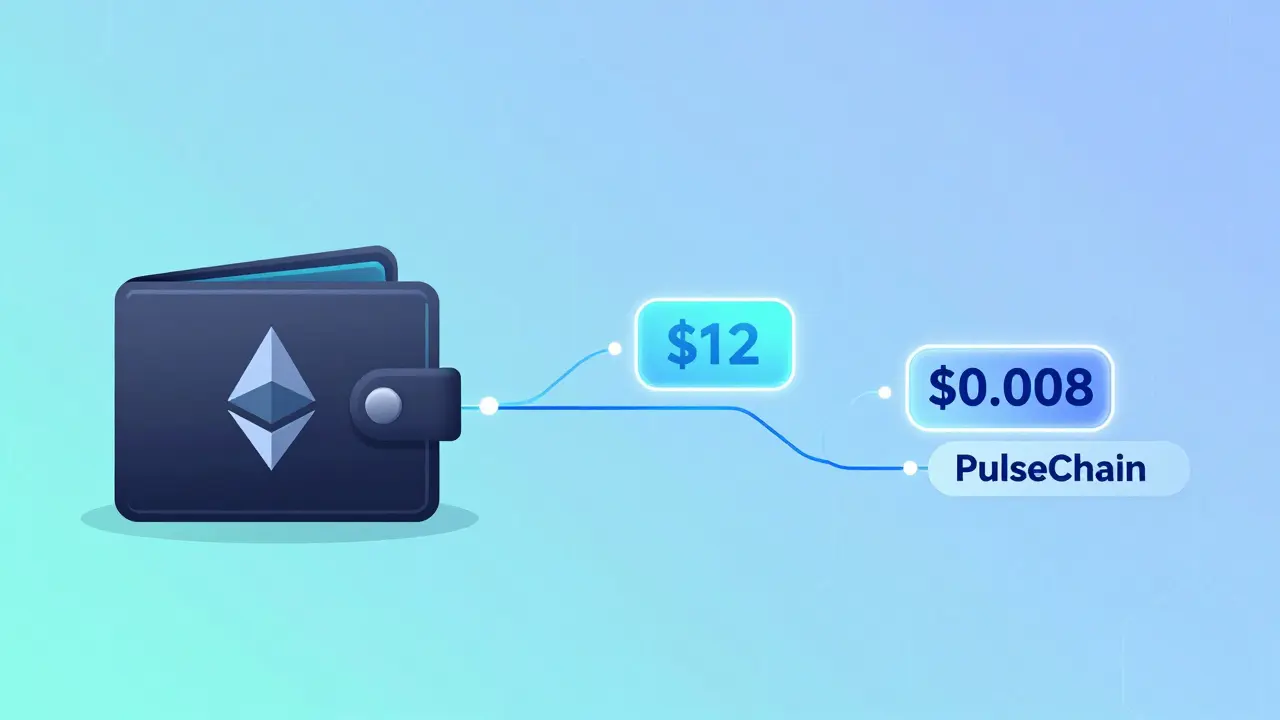
PulseX Transaction Fee Calculator
How It Works
This calculator compares transaction costs between PulseX and major networks based on data from the article. Note that bridge delays affect real-world usage.
Bridge delays affect 14% of users according to article data.
When you're tired of paying $10 in gas fees just to swap a few tokens on Ethereum, PulseX looks like a dream. It’s a decentralized exchange built on PulseChain - a fork of Ethereum that promises near-instant trades and fees under a penny. But is it the real deal, or just another flashy fork with hidden traps? This isn’t a hype piece. This is what actually happens when you use PulseX in late 2025.
What PulseX Actually Is
PulseX isn’t a centralized exchange like Binance or Coinbase. You don’t deposit funds and wait for someone else to trade for you. It’s a DEX - you connect your wallet and trade directly on-chain. That means full control, no KYC, and no middleman. But here’s the twist: PulseX doesn’t run on Ethereum. It runs on PulseChain, a blockchain that copied Ethereum’s entire token ecosystem - all the ETH, USDC, UNI, DAI - and pasted it onto a faster, cheaper network. PulseChain uses proof-of-stake instead of Ethereum’s old proof-of-work. That’s why transactions settle in 3-5 seconds and cost less than $0.01. The native token, PLSX, is the fuel for everything: trading, staking, governance. And unlike many DeFi projects, PulseX’s tokenomics are transparent. Forty percent went to liquidity providers. Thirty percent to the team - locked for two years. Twenty percent to stakers. Ten percent to the community. No mystery tokens. No rug pulls baked in from day one.How It Works: Simple, But Not Beginner-Friendly
Getting started takes 15-20 minutes. You need a wallet - MetaMask, Trust Wallet, or Coinbase Wallet - all work. Then you bridge your Ethereum tokens over to PulseChain. That’s where things get tricky. Bridges are the weakest link. Users report delays. Sometimes your USDC takes 20 minutes to show up. Other times, it vanishes for hours. PulseX’s own metrics show 14% of users hit bridge issues. Once your tokens are on PulseChain, you can trade. The interface is clean. You pick a pair, enter the amount, and click swap. Slippage settings are adjustable. No hidden fees. The platform even has a Trade Simulator so you can test a trade before spending real gas. That’s smart. Most new DEXes skip this. But here’s the catch: liquidity. PulseX has around 247 active liquidity pools. Compare that to PancakeSwap’s 1,200+. For popular tokens like PLSX, USDC, or WPLS, you’re fine. But try swapping a new memecoin or obscure NFT? You’ll hit thin pools. Slippage hits 5%, 10%, even 20%. You might end up trading 100 tokens for 85. That’s not a glitch - it’s the reality of a smaller ecosystem.Staking PLSX: High Rewards, Long Lockups
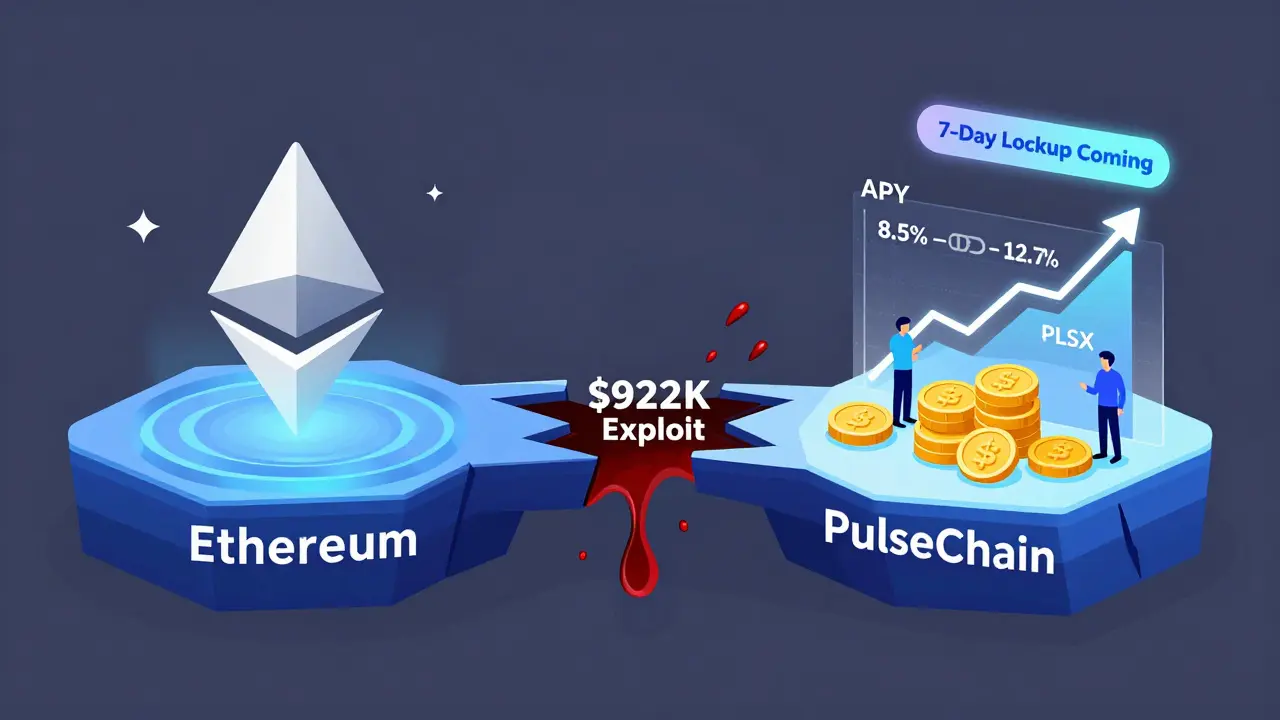
If you’re holding PLSX, staking is where the real yield is. Annual returns range from 8.5% to 12.7%, depending on how long you lock it up. That’s far better than most centralized platforms. But there’s a catch: minimum lockup is 30 days. You can’t stake for a week and cash out. If you’re a swing trader, that’s a dealbreaker. Reddit users complain about it constantly. “I want flexibility,” says one user. “I’m not buying bonds.” There’s good news coming. PulseX is testing a change to reduce the minimum to just 7 days. It’s in development as of October 2024. If it rolls out by December 15, 2025, as planned, that could turn a lot of skeptics into users.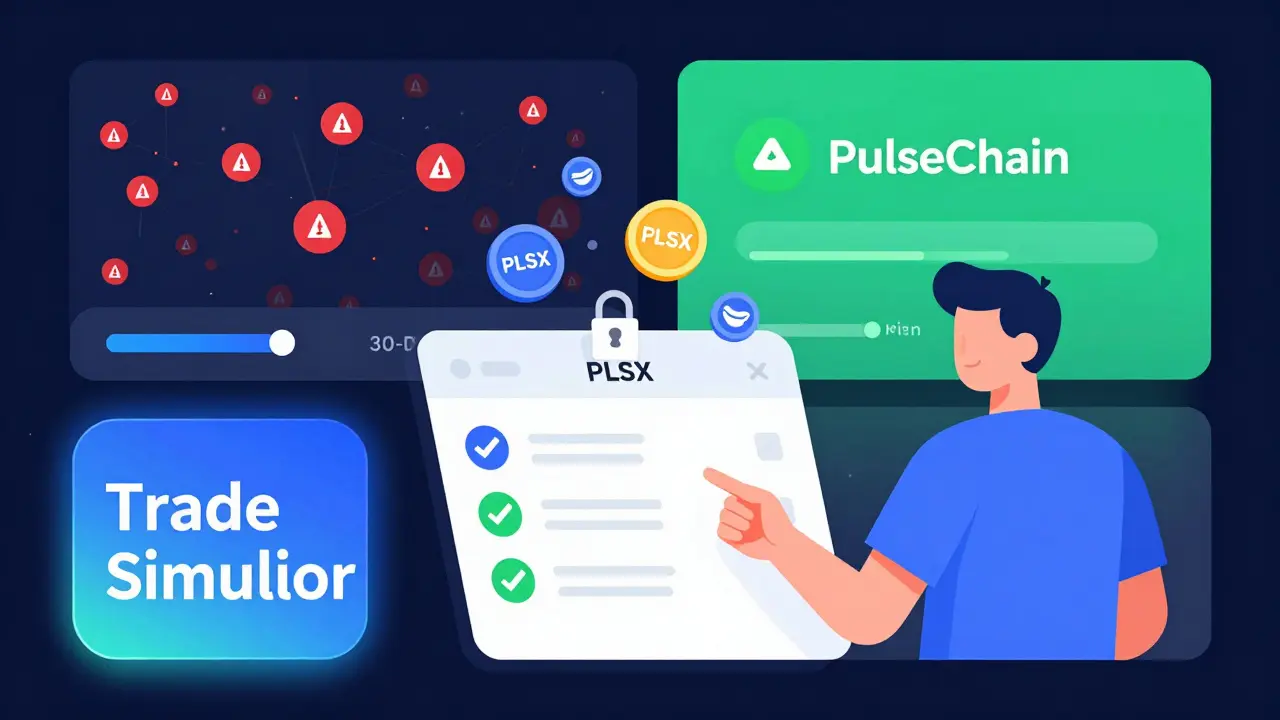
Security: Solid on Paper, Risky in Practice
PulseX’s security team has done some things right. Smart contracts were audited by Kudelski Security in Q2 2024. Cold storage, multi-sig wallets, 2FA - all in place. But security isn’t just about audits. It’s about the whole chain. In July 2024, attackers drained $922,000 from the BetterBank protocol - a third-party project integrated with PulseX. They didn’t hack PulseX directly. They exploited a flaw in the bridge logic that let them mint fake rewards and move funds across chains. They then laundered the money through Tornado Cash. The fix? PulseX updated its bridge monitoring and increased audit frequency. But the damage was done. Trust took a hit. Blockchain expert Dr. Maria Chen from MIT put it bluntly: “PulseX’s architecture is energy-efficient and fast, but it hasn’t been stress-tested like Ethereum has.” That’s the core issue. PulseChain is only a few years old. Ethereum has survived bear markets, hacks, and network congestion. PulseChain hasn’t.How PulseX Compares to the Big Players
| Feature | PulseX | Uniswap (Ethereum) | PancakeSwap (BSC) |
|---|---|---|---|
| Average Transaction Fee | $0.008 | $1.20-$15.00 | $0.10-$0.50 |
| Daily Transactions | 350,000 | 1.2 million | 850,000 |
| Liquidity Pools | 247 | 1,500+ | 1,200+ |
| Average Pool Liquidity | $287,000 | $1.8 million | $950,000 |
| NFT Daily Volume | 12,500 | 8,000 | 15,000 |
| KYC Required | No | No | No |
| Staking APY (Max) | 12.7% | 3-8% | 10-15% |
Who Should Use PulseX?
This isn’t for beginners. If you don’t know what a wallet or bridge is, stay away. You’ll get lost. This is for experienced crypto users who:- Trade frequently and hate Ethereum gas fees
- Hold Ethereum-native tokens and want to move them cheaply
- Want to stake PLSX and can lock up for 30+ days
- Are comfortable with the risks of a newer chain
- Trade NFTs and want faster, cheaper listings
- You need instant access to your funds
- You trade obscure tokens often
- You’re risk-averse and want battle-tested platforms
- You’re in the U.S. and need KYC-compliant exchanges
The Bottom Line: High Reward, High Risk
PulseX isn’t the future of DeFi. It’s a clever workaround for Ethereum’s high fees. It’s fast, cheap, and surprisingly secure for its age. But it’s still fragile. The bridge incident in July 2024 wasn’t a fluke - it’s a warning. New chains are vulnerable. Liquidity is thin. And user trust is still being built. Right now, PulseX is best used as a niche tool - not a main exchange. Keep your big holdings on Ethereum or BSC. Use PulseX for small, frequent trades. Stake your PLSX if you can lock it up. And always, always check the bridge status before sending funds. The platform is evolving. The 7-day staking lockup is coming. More bridges are being added. If PulseChain keeps growing - and if security holds - PulseX could become a serious player. But for now? It’s a high-speed, low-cost lane on a road still under construction.Is PulseX safe to use in 2025?
PulseX has strong security practices - audits, 2FA, cold storage - and no major breaches of its core contracts. But the July 2024 BetterBank exploit shows that third-party integrations and bridges remain risky. Use it, but don’t store large amounts long-term. Treat it like a high-speed toll road: fast and cheap, but not for your life savings.
Can I buy PLSX on Coinbase or Binance?
No. PLSX is only available on decentralized exchanges like PulseX itself or smaller altcoin platforms. You can’t buy it directly on Coinbase, Binance, or Kraken. To get PLSX, you need to bridge ETH, USDC, or another token from Ethereum to PulseChain and swap it there.
Why are there so many complaints about bridge delays?
Bridges between blockchains are complex. PulseX relies on cross-chain communication to move tokens from Ethereum to PulseChain. Network congestion, smart contract bugs, or low liquidity on the destination side can cause delays. It’s not PulseX’s fault alone - it’s a known weakness in all bridge-based systems. Check PulseChain’s block explorer for real-time status before sending funds.
Is PulseX legal in the United States?
PulseX doesn’t require KYC, which makes it non-compliant with U.S. regulations for exchanges. While using it isn’t illegal for individuals, U.S.-based users may face issues if they try to cash out to fiat or report taxes. Most regulated U.S. exchanges require identity verification - PulseX does not. Use it at your own risk if you’re in a jurisdiction with strict crypto laws.
What’s the future of PulseX?
PulseX’s future depends on PulseChain’s growth. If more developers build on it and liquidity improves, it could gain traction. The planned reduction of staking lockup from 30 to 7 days could attract more traders. But without major security wins and deeper liquidity, it’ll stay a niche tool - not a mainstream DEX. Watch for updates in Q1 2025 - that’s when its next big test will come.


Author
Ronan Caverly
I'm a blockchain analyst and market strategist bridging crypto and equities. I research protocols, decode tokenomics, and track exchange flows to spot risk and opportunity. I invest privately and advise fintech teams on go-to-market and compliance-aware growth. I also publish weekly insights to help retail and funds navigate digital asset cycles.