
Crypto Regulations in Macedonia: What You Need to Know
When it comes to crypto regulations in Macedonia, the legal framework for digital assets in North Macedonia is still developing, with no specific crypto law yet but clear guidance from financial authorities. Also known as cryptocurrency laws Macedonia, this system leans on existing financial crime and anti-money laundering rules to manage crypto activity. Unlike countries that ban crypto outright, Macedonia doesn’t prohibit it—but it doesn’t officially recognize it as legal tender either. That gray area means traders operate in a space where rules are applied, not written.
The National Bank of the Republic of North Macedonia, the country’s central financial authority, has issued warnings about crypto volatility and fraud risks. Also known as crypto taxation Macedonia, the tax office treats crypto as property, meaning any profit from trading or selling is subject to capital gains tax. If you sell Bitcoin for euros or use Ethereum to buy a laptop, you owe tax on the gain. No one is auditing every wallet—but if you’re reporting income or opening a bank account linked to crypto, they’ll ask for proof. Exchanges aren’t banned, but none are officially licensed either. Most Macedonian users rely on global platforms like Binance or Kraken, which don’t require local registration but still need users to comply with KYC rules. That means your identity is verified, your transactions are logged, and if the bank asks, they can trace it back.
There’s no official crypto license for businesses yet, but if you’re running a service that swaps crypto for fiat, you’re likely falling under money transmitter rules. That’s the same category used for traditional remittance firms. The government has been watching what’s happening in the EU—especially since North Macedonia is a candidate for membership. Any future laws will probably mirror EU’s MiCA framework, which brings clarity to custody, disclosure, and stablecoin issuance. For now, it’s a waiting game with clear risks: no consumer protection, no dispute resolution, and no insurance if an exchange freezes your funds.
What you’ll find below are real cases and practical breakdowns: how traders in Skopje handle taxes, which exchanges locals actually use, what happened when someone got flagged for unreported gains, and why some are already preparing for stricter rules. This isn’t theory—it’s what people are doing right now, in Macedonia, with their crypto.
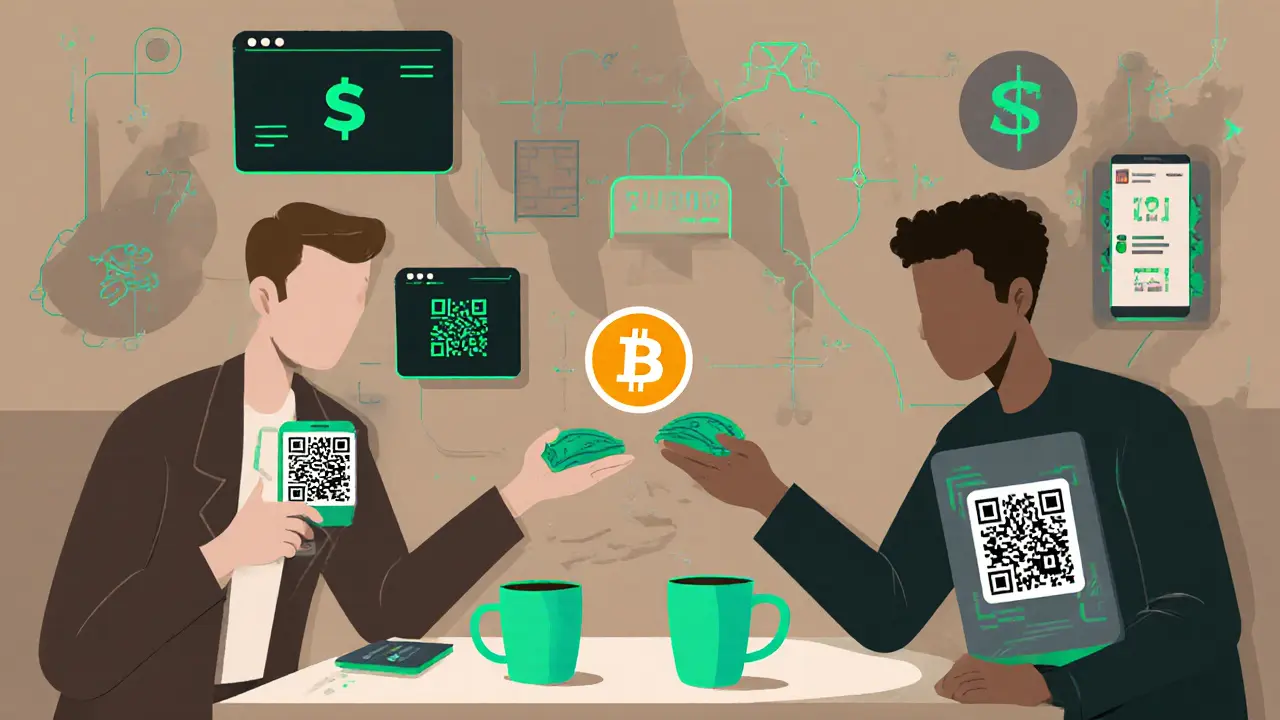
Underground Crypto Trading in North Macedonia: How People Bypass the Ban
Nov 2, 2025, Posted by Ronan Caverly
Despite an official ban since 2017, crypto trading thrives in North Macedonia through P2P platforms and international brokers. Here's how people bypass the rules - and what could change in 2026.
MORESEARCH HERE
Categories
TAGS
- decentralized exchange
- crypto exchange review
- crypto exchange
- cryptocurrency
- crypto coin
- crypto airdrop
- CoinMarketCap airdrop
- smart contracts
- MiCA
- cryptocurrency trading
- tokenomics
- DeFi
- cryptocurrency exchange safety
- crypto airdrop 2025
- cryptocurrency airdrop
- cryptocurrency exchange
- meme coin
- blockchain security
- blockchain gaming
- crypto airdrop guide