
Crypto Stability: What It Really Means and Why It Matters
When people talk about crypto stability, the ability of a cryptocurrency to maintain value, functionality, and user trust over time. Also known as market resilience, it's not just about prices holding steady—it’s about whether a coin can survive bans, hacks, scams, and regulatory crackdowns. Most crypto projects crash within two years. But a few, like Litecoin and certain stablecoins, stick around because they solve real problems—not because they promised moonshots.
True crypto stability, the ability of a cryptocurrency to maintain value, functionality, and user trust over time. Also known as market resilience, it's not just about prices holding steady—it’s about whether a coin can survive bans, hacks, scams, and regulatory crackdowns. Most crypto projects crash within two years. But a few, like Litecoin and certain stablecoins, stick around because they solve real problems—not because they promised moonshots.
Look at what happened to GEO tokens from the GeoDB airdrop. Thousands got them for free, but today they’re worth pennies and trade barely at all. Why? No real use case. No community. No reason to hold. Contrast that with stablecoin, a cryptocurrency designed to maintain a stable value by being pegged to a fiat currency like the US dollar. Also known as digital dollar, it enables reliable transactions in volatile markets. projects like USD1 from World Liberty Financial. Even with controversy, they’re built to hold value—because people need them for payments, remittances, and avoiding currency controls. That’s stability: not hype, but utility.
Then there’s crypto regulation, government rules that define how cryptocurrencies can be issued, traded, and taxed. Also known as digital asset laws, they shape whether crypto thrives or goes underground. In Nigeria, India, China, and North Macedonia, bans didn’t kill crypto—they forced it into P2P markets. People still trade. They still earn. They still use crypto because the system failed them. Stability isn’t about government approval—it’s about whether users keep showing up.
And don’t forget P2P crypto trading, a peer-to-peer system where individuals directly exchange cryptocurrencies without intermediaries like exchanges. Also known as direct crypto swaps, it bypasses bans and platform risks.. That’s how traders in Iran use VPNs to avoid detection. How Russians dodge sanctions with custom tokens. How people in North Macedonia keep trading even after an official ban. This isn’t a loophole—it’s the real economy. Stability lives where people have no other choice.
What you’ll find here aren’t predictions. They’re post-mortems. Case studies. Real stories of coins that died, platforms that vanished, and users who kept going anyway. You’ll see why some airdrops turned into ghost tokens, why some exchanges survived regulation, and how privacy protocols quietly protect traders. This isn’t about chasing the next big thing. It’s about understanding what lasts—and why.
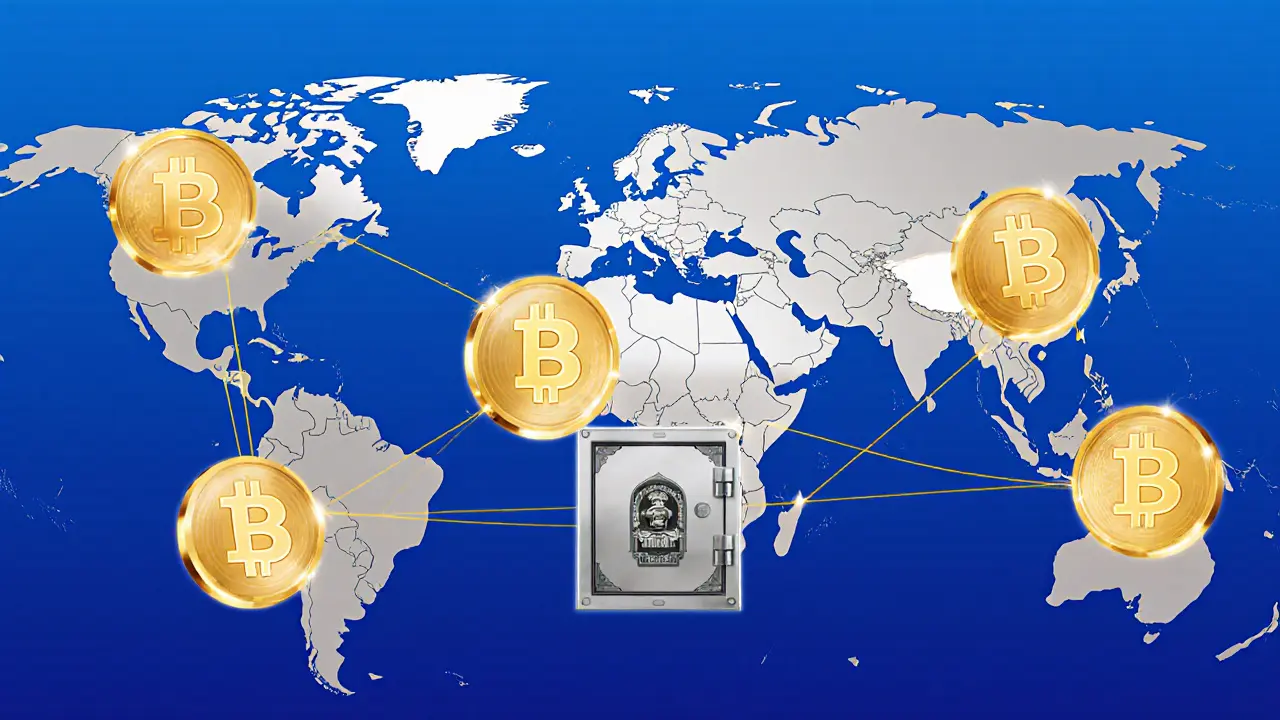
Stablecoins: How They Solve Crypto’s Biggest Problem
Nov 4, 2025, Posted by Ronan Caverly
Stablecoins solve crypto's biggest problem-volatility-by staying pegged to real assets like the U.S. dollar. They're used for fast, cheap transfers, trading safety, and global payments. Not all are equal-transparency and reserves matter.
MORESEARCH HERE
Categories
TAGS
- decentralized exchange
- crypto exchange review
- crypto exchange
- cryptocurrency
- crypto coin
- crypto airdrop
- CoinMarketCap airdrop
- smart contracts
- MiCA
- cryptocurrency trading
- tokenomics
- DeFi
- cryptocurrency exchange safety
- crypto airdrop 2025
- cryptocurrency airdrop
- cryptocurrency exchange
- meme coin
- blockchain security
- blockchain gaming
- crypto airdrop guide