
MultiSig Wallet: How It Keeps Your Crypto Safe and Who Uses It
When you hold crypto, you’re really holding a key—just one. But what if losing that key means losing everything? That’s where a MultiSig wallet, a type of cryptocurrency wallet that requires multiple private keys to authorize a transaction. Also known as multisignature wallet, it acts like a vault that needs two or more people to open it. No single person controls the funds. If one key gets stolen, lost, or hacked, your crypto stays locked. This isn’t just theory—it’s how Coinbase, Ledger, and even family trusts protect millions in crypto assets.
MultiSig wallets aren’t just for big companies. They’re used by DAOs that need group approval for spending treasury funds, by crypto teams splitting ownership among founders, and by individuals who want to protect their holdings from ransomware or accidental sends. Think of it like a bank account that needs both your signature and your spouse’s to move money. You can set it up to need 2-of-3 keys, 3-of-5, or any combination. That flexibility makes it perfect for teams, inheritance plans, or high-value wallets. And unlike single-key wallets, if you lose one device or forget one password, you don’t lose everything. You still have backups.
It’s not magic—it’s cryptography. Each key is a unique digital signature tied to a separate device or person. When you send crypto from a MultiSig wallet, the network checks that the right number of signatures match. If they don’t, the transaction fails. This blocks phishing attacks, insider theft, and even your own mistakes. And because it doesn’t rely on a single point of failure, it’s the gold standard for security in DeFi, institutional crypto, and long-term HODLing. You won’t find MultiSig on most mobile apps—it’s built into hardware wallets like Ledger and Trezor, or through services like Gnosis Safe. But if you’re serious about keeping your crypto safe, this is the setup you need.
Below, you’ll find real-world examples of how MultiSig wallets are used—and misused—in crypto projects. Some teams rely on them to prevent fraud. Others ignore them and get hacked. You’ll see which airdrops and exchanges actually use MultiSig for security, and which ones are just pretending. This isn’t about hype. It’s about what works.
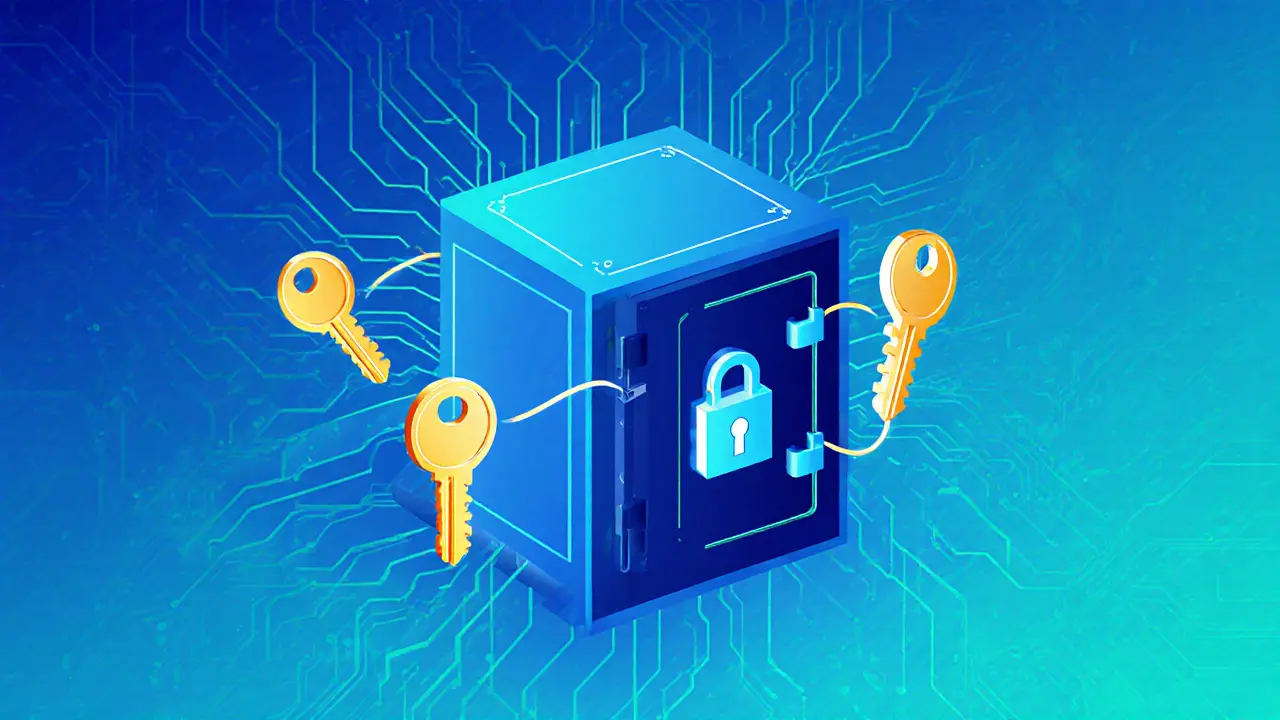
How MultiSig Wallets Enhance Security in Cryptocurrency Storage
Nov 9, 2025, Posted by Ronan Caverly
MultiSig wallets require multiple signatures to authorize transactions, making them far more secure than single-key wallets. They protect against theft, loss, and insider threats-essential for anyone holding significant cryptocurrency.
MORESEARCH HERE
Categories
TAGS
- decentralized exchange
- crypto exchange review
- crypto exchange
- cryptocurrency
- crypto coin
- crypto airdrop
- CoinMarketCap airdrop
- smart contracts
- MiCA
- cryptocurrency trading
- tokenomics
- DeFi
- cryptocurrency exchange safety
- crypto airdrop 2025
- cryptocurrency airdrop
- cryptocurrency exchange
- meme coin
- blockchain security
- blockchain gaming
- crypto airdrop guide