
Multisignature Wallet: How It Keeps Your Crypto Safe and Who Uses It
When you hold crypto, you’re not just storing value—you’re holding control. A multisignature wallet, a type of crypto wallet that requires two or more private keys to authorize a transaction. Also known as M-of-N wallet, it’s not just a fancy feature—it’s a security upgrade that turns a single point of failure into a fortified system. Think of it like a safe that needs two different keys to open. One person holding one key can’t move the money. You need at least two people, or two devices, to agree. That’s the core idea behind multisig.
This isn’t just for tech geeks. Bitcoin wallets, digital storage tools for holding Bitcoin and other cryptocurrencies with multisig are used by families, small businesses, and crypto funds to prevent theft, loss, or rogue decisions. If your phone gets stolen or your seed phrase is leaked, a single-key wallet is gone forever. But a multisig wallet? Even if one key is compromised, the funds stay locked until another authorized party approves the move. That’s why exchanges like Coinbase and Kraken use multisig behind the scenes to protect customer assets. And in DeFi, where smart contracts handle millions, multisig is the standard for treasury management.
It’s not just about number of keys—it’s about how they’re distributed. Some setups need 2-of-3: you keep one key on your phone, your spouse keeps one on a hardware device, and a third is stored offline in a safe. Others use 3-of-5 for corporate treasuries, where five team members each hold a key, and any three can approve spending. This is how DAOs manage their funds without trusting a single person. And when you combine multisig with a hardware wallet, a physical device that stores crypto keys offline, immune to remote hacking, you get near-impregnable security. No internet connection. No malware. Just cold, hard, offline control.
But here’s the catch: multisig isn’t easy. Setting it up right takes work. You need to understand key generation, backup procedures, and recovery paths. Mess it up, and you could lock yourself out forever. That’s why most beginners stick to simple wallets—until they hold enough to warrant the extra step. The posts below show real cases: how people used multisig to recover funds after a scam, how DeFi protocols enforce it for treasury safety, and why some airdrops and exchanges require it to qualify for rewards. You’ll see what works, what doesn’t, and how to avoid the traps that leave people stranded with no way to access their own money.
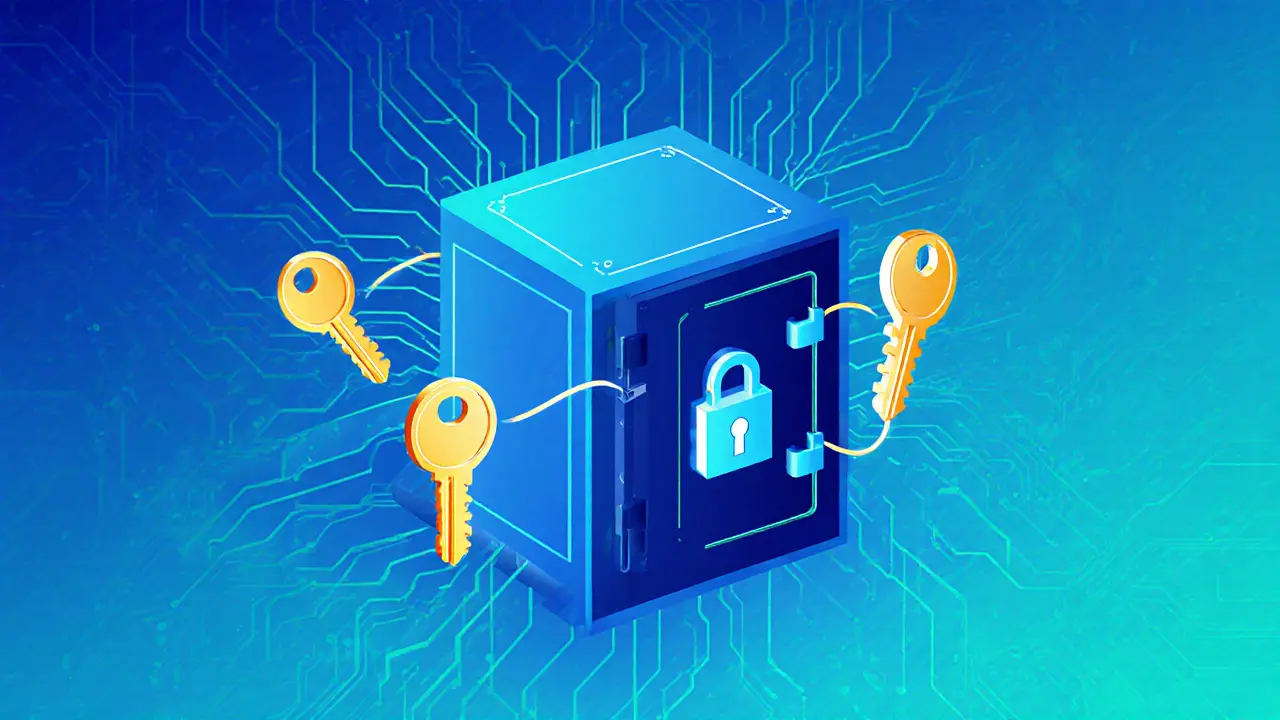
How MultiSig Wallets Enhance Security in Cryptocurrency Storage
Nov 9, 2025, Posted by Ronan Caverly
MultiSig wallets require multiple signatures to authorize transactions, making them far more secure than single-key wallets. They protect against theft, loss, and insider threats-essential for anyone holding significant cryptocurrency.
MORESEARCH HERE
Categories
TAGS
- decentralized exchange
- crypto exchange review
- crypto exchange
- cryptocurrency
- crypto coin
- crypto airdrop
- CoinMarketCap airdrop
- smart contracts
- MiCA
- cryptocurrency trading
- tokenomics
- DeFi
- cryptocurrency exchange safety
- crypto airdrop 2025
- cryptocurrency airdrop
- cryptocurrency exchange
- meme coin
- blockchain security
- blockchain gaming
- crypto airdrop guide