

Ubeswap V2 Fee Calculator
Transaction Details
Estimated Trading Costs
Transaction Size:
$0.00
Estimated Fee:
$0.00
Important Information
Ubeswap V2 charges a standard 0.30% trading fee on all swaps. This fee is split between liquidity providers and the protocol treasury.
On Celo blockchain, gas fees are typically less than $0.01 per transaction, making Ubeswap very cost-effective compared to Ethereum-based DEXes.
Fee Breakdown
Quick Takeaways
- Ubeswap V2 is a Celo‑based decentralized exchange that uses an AMM model.
- The native UBE token governs the protocol and rewards liquidity providers.
- Low gas fees and fast finality come from Celo’s efficient blockchain design.
- Only 43 tokens are listed, so the market is much smaller than Ethereum DEXs.
- Trading volume is currently tiny, making liquidity a key risk for traders.
What Is Ubeswap V2?
When you hear Ubeswap, think of a niche DEX built for the Celo blockchain is a mobile‑first, proof‑of‑stake network that aims to bring crypto to emerging markets. It offers fast block times and an integrated stablecoin system that keeps transaction costs low. Ubeswap V2 is a decentralized exchange and automated market maker protocol designed specifically for Celo assets. The platform copies core ideas from Uniswap, SushiSwap, Compound and other DeFi veterans, but it runs exclusively on Celo, meaning you trade only Celo‑based tokens.
How the AMM Model Works on Ubeswap
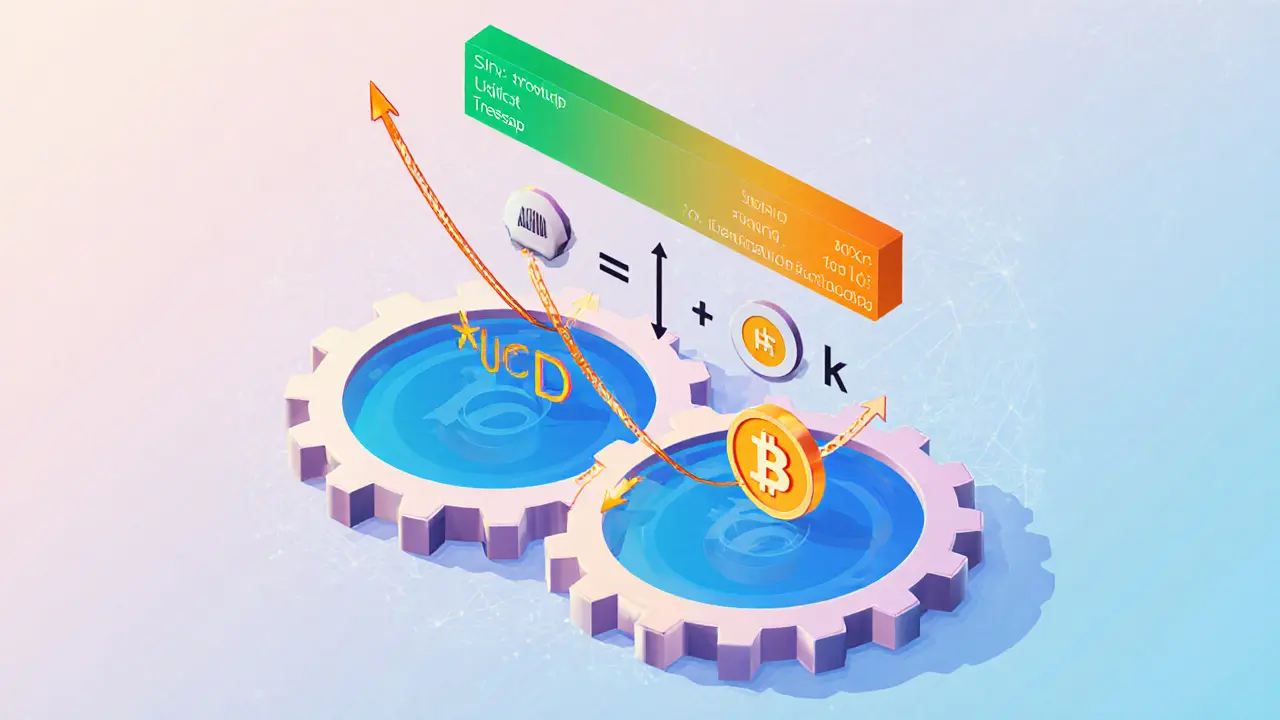
Ubeswap follows the classic constant‑product formula: x * y = k. Liquidity providers (LPs) deposit two assets into a pool, and traders swap one for the other while the product of the reserves stays constant. This simple math guarantees that a price is always available, even for brand‑new token pairs.
Key components that keep the system secure:
- Smart contracts written in Solidity, compiled for Celo’s EVM compatibility.
- Integration with DIA oracle provides off‑chain price data to protect pools from extreme price manipulation.
- Fee structure (0.30% typical) that splits between LP rewards and a protocol treasury.
The UBE Token: Governance and Incentives
The native token, UBE serves as the governance and utility token for Ubeswap V2, has three primary roles:
- Voting: Holders can propose and vote on protocol upgrades, fee changes, and new token listings.
- Staking rewards: A portion of swap fees is funneled to UBE stakers, creating a passive income stream.
- Liquidity mining: New pools often launch with extra UBE rewards to bootstrap liquidity.
At the time of writing (Oct22025), UBE trades around $0.0022USD, sits near rank #7824 on CoinMarketCap, and sees almost no 24‑hour volume. The low price reflects limited market depth rather than an intrinsic flaw in the token’s design.
Liquidity Landscape: 256 Pairs, 43 Tokens
Ubeswap currently supports 256 trading pairs, but they’re built from a modest list of 43 listed tokens. Most pairs involve the native stablecoin cUSD or the base asset CELO, making them useful for quick swaps but restrictive for broader DeFi strategies.
Because each pool needs sufficient capital to keep slippage low, the platform often experiences high price impact on modest trades. For example, swapping 100cUSD for a low‑liquidity token may move the price by 5‑10%, which is huge compared to Ethereum DEXs where deep pools keep slippage under 0.5%.
Ubeswap vs. the Big Kids: Uniswap, SushiSwap, PancakeSwap
| Feature | Ubeswap V2 (Celo) | Uniswap (Ethereum) | SushiSwap (Multi‑chain) | PancakeSwap (BSC) |
|---|---|---|---|---|
| Primary blockchain | Celo | Ethereum | Multiple (Ethereum, BSC, Polygon…) | Binance Smart Chain |
| Typical gas cost (USD) | ≈ $0.01 | ≈ $2‑$5 | ≈ $0.15 | ≈ $0.05 |
| Number of listed tokens | ~43 | >10,000 | ~6,000 | ~2,500 |
| 24‑hr volume (USD) | < $10,000 | > $1B | > $500M | > $300M |
| Governance token | UBE | UNI | SUSHI | CAKE |
Ubeswap wins on transaction speed and fee‑friendliness, but it loses badly on token variety and liquidity depth. If you need a niche Celo asset, Ubeswap is the only place to go. If you want broad market exposure, you’ll look elsewhere.
Pros and Cons of Using Ubeswap
Pros
- Very low gas fees thanks to Celo’s proof‑of‑stake design.
- Fast settlement (blocks ~5seconds).
- Native stablecoin support (cUSD, cEUR) enables cheap stable‑coin swaps.
- Governance gives token holders a real say in protocol upgrades.
Cons
- Limited token selection - only 43 assets.
- Liquidity is thin; large trades suffer high slippage.
- UBE price is volatile and trading volume is near zero.
- Learning curve for users unfamiliar with the Celo ecosystem.
How to Get Started on Ubeswap V2
- Install a Celo‑compatible wallet (e.g., Valora or MetaMask with the Celo network added).
- Buy CELO or cUSD on a centralized exchange and send it to your wallet.
- Navigate to app.ubeswap.org and connect your wallet.
- Select the token pair you want to trade, enter the amount, and confirm the transaction.
- To earn UBE, click “Earn” on the platform, choose a liquidity pool, and approve the required token approvals.
Remember: every swap incurs a small fee that goes partly to the UBE treasury. If you’re providing liquidity, you’ll receive LP tokens representing your share of the pool; you can later withdraw your assets plus earned fees.
Risks to Keep in Mind
- Liquidity risk: Thin pools can lead to price slippage and impermanent loss.
- Smart‑contract risk: While audits have been performed, any new code rollout could introduce bugs.
- Market risk: UBE’s low market cap makes its price highly susceptible to speculation.
- Network risk: Celo is still growing; a major technical issue could affect all DEX activity.
Future Outlook for Ubeswap
The 2024 roadmap mentions expanding the token list, integrating more Layer‑2 solutions on Celo, and launching cross‑chain bridges. If Celo gains traction in mobile‑first markets (Africa, Southeast Asia), Ubeswap could see a surge in users seeking cheap, phone‑based swaps. However, without a significant liquidity boost, the platform will remain a niche playground.
Frequently Asked Questions
What blockchain does Ubeswap run on?
Celo blockchain is the underlying network for Ubeswap V2. It uses proof‑of‑stake consensus, offering fast finality and low transaction fees.
How can I earn UBE tokens?
You can earn UBE by providing liquidity to supported pools, participating in the platform’s liquidity‑mining program, or staking UBE in the governance vault to claim a share of swap fees.
Is Ubeswap safe to use?
The protocol has undergone third‑party audits, but like any DeFi project, it carries smart‑contract and market risks. Start with small amounts until you’re comfortable.
Can I trade Ethereum tokens on Ubeswap?
No. Ubeswap only supports assets that live on the Celo blockchain. To access Ethereum tokens you’d need a bridge or a different DEX.
Where can I buy the UBE token?
UBE is listed on several Celo‑compatible exchanges such as Bitget, BTCC, and a few smaller DEX aggregators. Check each platform’s order book for the latest price.


Author
Ronan Caverly
I'm a blockchain analyst and market strategist bridging crypto and equities. I research protocols, decode tokenomics, and track exchange flows to spot risk and opportunity. I invest privately and advise fintech teams on go-to-market and compliance-aware growth. I also publish weekly insights to help retail and funds navigate digital asset cycles.