

Waiting for an airdrop is one of the most frustrating experiences in crypto. You spend hours checking Twitter, Discord, and Telegram channels, hoping for a clear signal on when you can claim your tokens. With The APIS, many holders are left wondering if their wallet qualifies, how much they might receive, and whether the project is even real. This guide cuts through the noise to give you the concrete details you need to make an informed decision about participating.
Before diving into the specifics, it is crucial to understand what The APIS actually represents in the current market landscape. Unlike meme coins that rely purely on hype, The APIS positions itself as a utility-focused project within the infrastructure sector. It aims to provide developers with seamless access to blockchain data across multiple networks. If you have been interacting with decentralized applications (dApps) or using developer tools in 2025 and early 2026, you have likely touched the underlying technology that projects like this are trying to standardize and reward.
What Is The APIS Project?
The APIS is a blockchain infrastructure protocol designed to simplify API integration for developers building on multi-chain environments. The core value proposition revolves around reducing the friction between frontend applications and backend blockchain data. Instead of managing separate keys and endpoints for Ethereum, Bitcoin, or Solana, developers use a unified interface provided by The APIS network.
This project belongs to the broader category of Web3 Infrastructure, which includes other major players like Chainlink and The Graph. However, The APIS differentiates itself by focusing specifically on low-latency data retrieval and cross-chain compatibility. The team behind the project has emphasized scalability, claiming their nodes can handle thousands of requests per second without significant degradation in performance. For users, this means faster transaction confirmations and more reliable data feeds when using apps built on top of their stack.
Airdrop Mechanics and Distribution
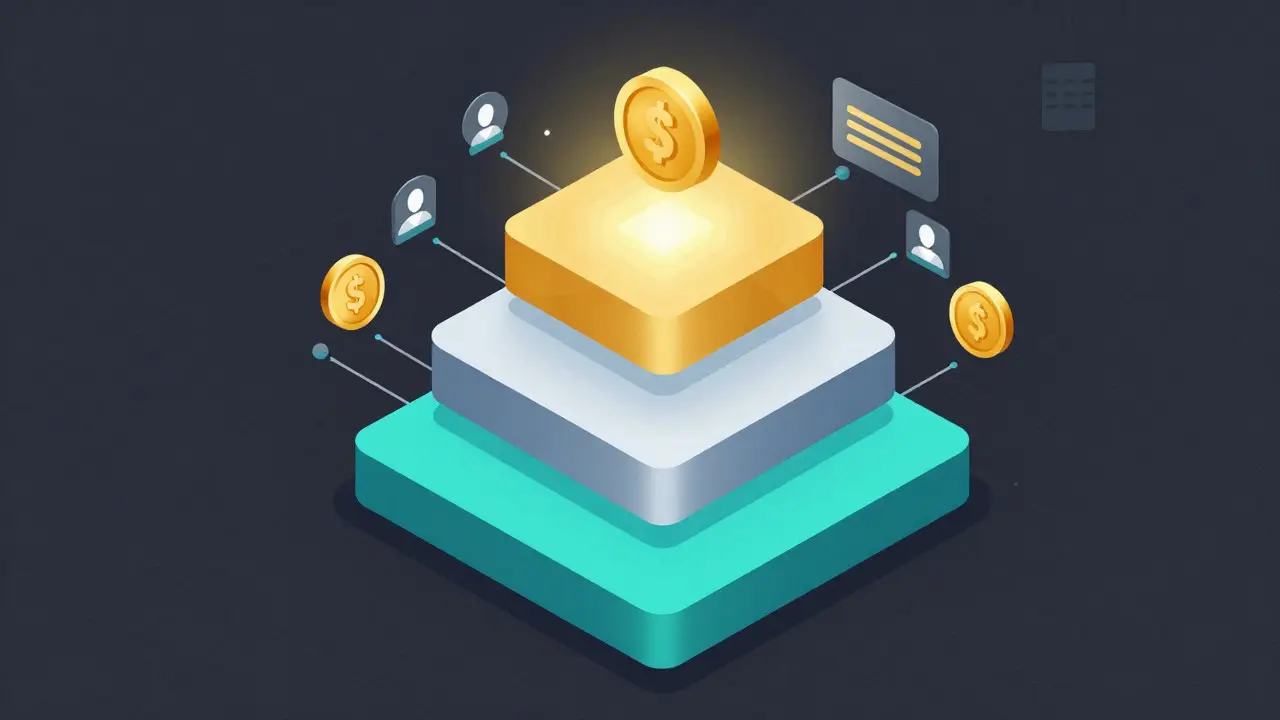
The distribution model for The APIS tokens follows a tiered structure based on historical engagement. This is not a simple "first come, first served" snapshot. Instead, the protocol analyzed on-chain activity from specific dates in late 2025. Users who interacted with partner dApps, used specific RPC nodes, or contributed to testnet tasks earned points. These points directly correlate to the number of tokens received during the mainnet launch.
- Tier 1 (High Engagement): Users who performed over 500 transactions or held liquidity in designated pools for more than 90 days.
- Tier 2 (Moderate Engagement): Users with consistent weekly activity but lower total volume.
- Tier 3 (Basic Interaction): One-time users or those who only completed basic KYC verification on partner platforms.
It is important to note that the allocation is capped. If too many high-tier users qualify, the pool may be diluted, meaning each individual receives fewer tokens than initially estimated. This dynamic creates a sense of urgency among eligible holders to claim before the window closes.
Eligibility Criteria: Who Qualifies?
Not every wallet that touched the ecosystem gets a cut. The eligibility criteria are strict to prevent Sybil attacks, where one person uses multiple wallets to farm rewards. To qualify for the APIS Token airdrop, you generally needed to meet at least one of the following conditions:
- You held a minimum balance of $50 USD equivalent in supported stablecoins (USDC or USDT) in a connected wallet during the snapshot period.
- You participated in the official testnet campaign, completing at least three distinct tasks such as bridging assets or submitting bug reports.
- You were an active user of any of the ten flagship dApps integrated with The APIS API during Q4 2025.
Many users miss out because they used a new wallet for the final snapshot without migrating their history. Since the system tracks wallet addresses rather than identity, ensuring your primary address was active during the critical dates was essential. If you switched wallets recently, double-check if the older address is still eligible or if there is a migration path provided in the official documentation.
How to Claim Your Tokens
Claiming the airdrop is a straightforward process, but security remains the top priority. Always verify the contract address on the official project channel before connecting your wallet. Scammers often create lookalike sites with similar domains to drain funds.
- Visit the official claim portal listed in the verified project announcement.
- Connect your eligible wallet (MetaMask, Phantom, or WalletConnect are typically supported).
- Verify your email address if prompted for secondary confirmation.
- Approve the transaction to transfer tokens from the vesting contract to your wallet.
- Wait for the block confirmation; tokens should appear in your portfolio immediately.
Gas fees for the claim transaction are usually minimal, often under $1 depending on network congestion. If the claim button is grayed out, it usually means your wallet address does not match the snapshot data exactly. Check for case sensitivity or extra spaces if you are entering the address manually, though most interfaces auto-fill this.
Risks and Considerations
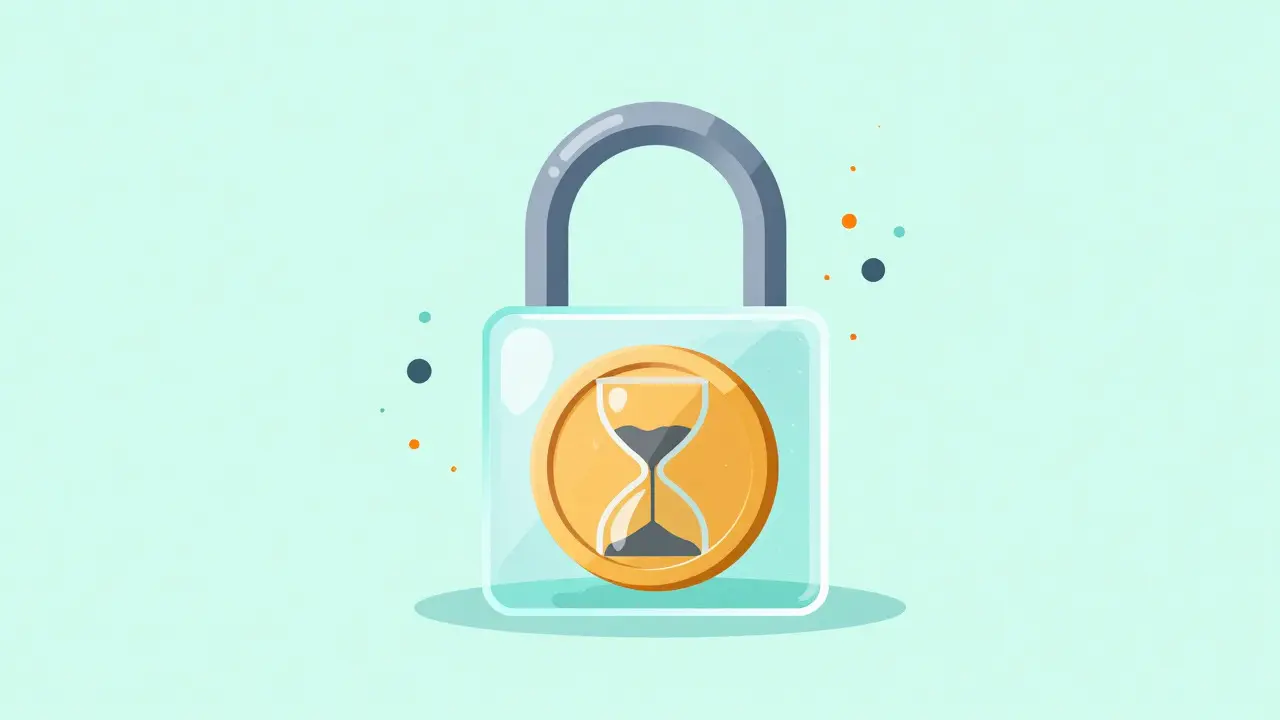
While airdrops offer free upside, they are not without risk. The primary concern with The APIS is the lock-up period. A portion of the allocated tokens-typically 50%-is vested over six months. This means you cannot sell everything immediately upon receipt. This vesting schedule is designed to reduce immediate sell pressure and stabilize the price post-launch.
Additionally, consider the opportunity cost. Holding funds in specific pools to qualify for Tier 1 status ties up capital that could be deployed elsewhere. If the token performs poorly after launch, you lose both the potential yield from alternative investments and the principal value. Always calculate the expected return against the risk of illiquidity.
Market Context and Tokenomics
The APIS token operates on a deflationary model. A percentage of every API call made through the network is burned, reducing the total supply over time. This mechanism aligns incentives between developers and token holders, as increased usage leads to scarcity. The total supply is capped at 1 billion tokens, with 40% allocated to the community via airdrops and staking rewards, 30% to the treasury, and 30% to early investors with a one-year cliff.
In comparison to other infrastructure tokens like Chainlink (LINK), The APIS has a smaller circulating supply but a higher growth target. LINK benefits from massive institutional adoption, while The APIS relies on grassroots developer adoption. This makes The APIS a higher-risk, higher-reward play. Investors should monitor daily active users and API request volumes as key indicators of fundamental health, rather than just price action.
Frequently Asked Questions
Is The APIS airdrop taxable?
In most jurisdictions, including New Zealand and the US, airdropped tokens are considered income at fair market value on the day of receipt. You should record the price of the APIS token on the claim date for tax reporting purposes. Consult a local tax professional for specific advice.
Can I claim the airdrop with a hardware wallet?
Yes, but you must connect it via a browser extension like MetaMask. Ensure your firmware is updated and double-check the contract address on the device screen before signing the transaction to avoid blind signing risks.
What happens if I miss the claim window?
If you fail to claim within the specified 30-day window, unclaimed tokens are typically returned to the project treasury. There is no extended grace period unless announced explicitly by the development team on social media.
Where will APIS tokens be listed?
Initial trading will occur on decentralized exchanges (DEXs) like Uniswap and Raydium. Centralized exchange listings, such as Binance or Coinbase, are expected within the first quarter of 2027, pending regulatory approvals and volume metrics.
Does holding APIS tokens grant governance rights?
Yes, once the DAO module is activated in late 2026, token holders will be able to vote on protocol upgrades, fee structures, and treasury allocations. Voting power is proportional to the number of staked tokens, not just held tokens.
Author
Ronan Caverly
I'm a blockchain analyst and market strategist bridging crypto and equities. I research protocols, decode tokenomics, and track exchange flows to spot risk and opportunity. I invest privately and advise fintech teams on go-to-market and compliance-aware growth. I also publish weekly insights to help retail and funds navigate digital asset cycles.