
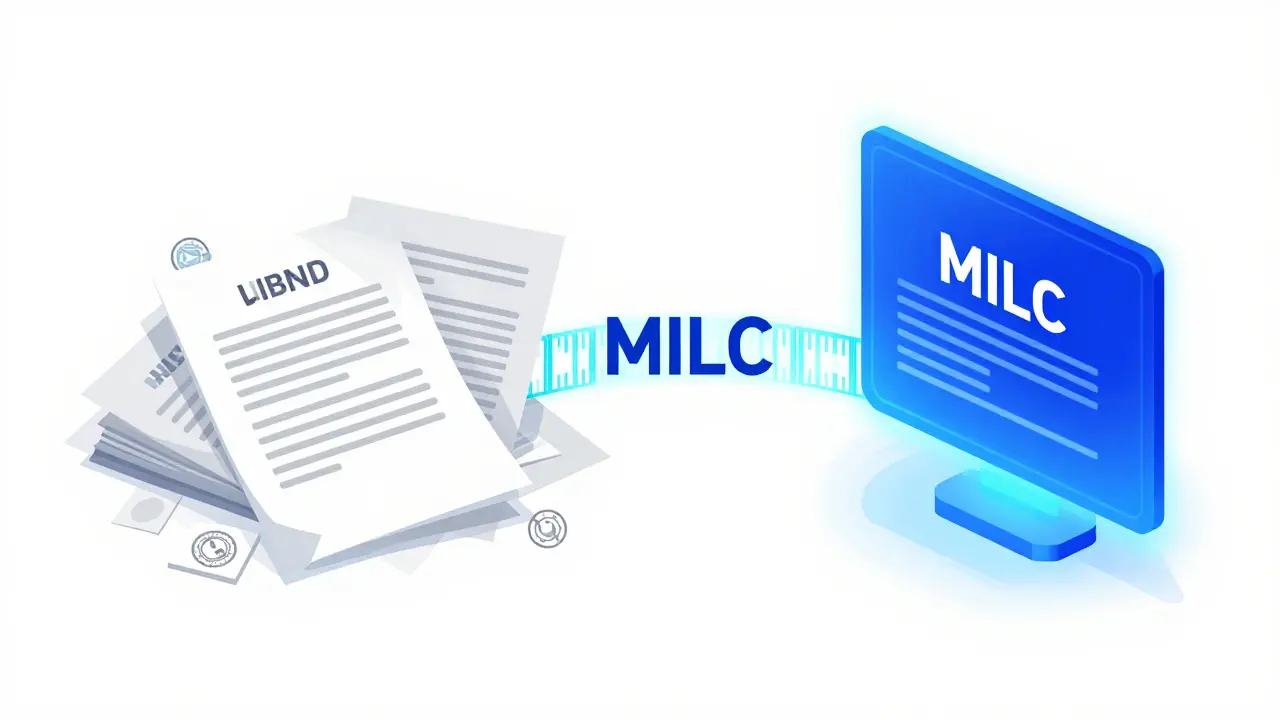
Imagine trying to license a short clip from a movie or a piece of music for a project. Usually, you'd be buried in emails, legal contracts, and weeks of waiting for a corporate lawyer to say "yes." The MILC Platform is a blockchain-based media metaverse designed to replace those outdated legal hurdles with instant, digital licensing. By using the MLTC Platform, it attempts to bridge the gap between professional studios and independent creators through a single, tokenized ecosystem.
At its core, the platform wants to treat media rights like digital assets. Instead of a 20-page PDF contract, you have a smart contract. This shift aims to solve the biggest headaches in the entertainment world: finding who actually owns the content, negotiating the price, and getting the payment through without a middleman taking a huge cut.
Key Takeaways for Investors and Creators
- Purpose: Tokenizes media licensing to make buying and selling content rights instant.
- Native Asset: Uses the MLT (Media Licensing Token) for all payments and contracts.
- Ecosystem: Includes an NFT marketplace, movie crowdfunding, and virtual event spaces.
- Current Status: High volatility with a significant price drop from its 2021 peak.
How the Media Licensing Token (MLT) Actually Works
To understand the MLT token, you have to see it as more than just a coin you hold in a wallet. It is the fuel for the entire MILC Platform. Technically, MLT is an ERC-20 token, meaning it runs on the Ethereum network, though it is also deployed on the BNB Chain for faster, cheaper transactions.
The token handles four main jobs in the ecosystem:
- Payment & Exchange: It acts as the primary currency. If you want a license for a piece of art or music, you pay in MLT.
- Contract Execution: The token serves as a "signing vehicle." When the MLT moves, the contract is considered signed and the license is granted instantly.
- Passive Income: Holders can access revenue-sharing opportunities, effectively getting a slice of the platform's activity.
- Governance: MLT allows the community to have a say in how the platform evolves.
The total supply is capped at 200 million tokens. This scarcity is designed to protect value, though market demand ultimately dictates the price.
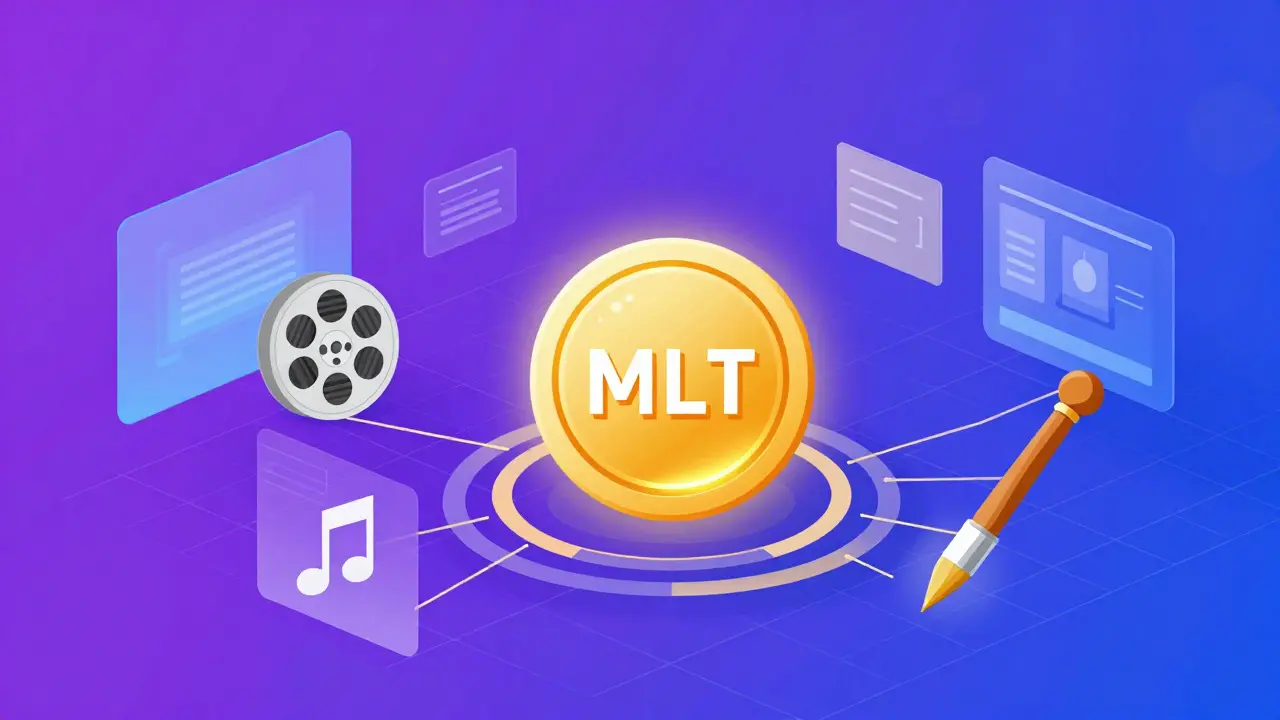
The Media Metaverse: More Than Just Licensing
The vision here is a "melting pot" where fans and professionals coexist. The platform isn't just a storefront; it's a destination. This includes a variety of services designed to modernize how we consume and fund entertainment.
One of the most interesting angles is the use of NFTs (Non-Fungible Tokens). Instead of just selling JPEGs, the platform uses NFTs to provide financing models for media projects. A filmmaker can tokenize a portion of their future earnings to raise money for production, giving early supporters a tangible stake in the movie's success.
The ecosystem also pushes into virtual experiences. We're talking about virtual movie premieres, digital art exhibitions, and gaming competitions. By integrating these into a single hub, the platform attempts to solve the "discovery problem"-the struggle buyers have in finding high-quality content in a sea of fragmented websites.
| Allocation Category | Token Amount (MLT) |
|---|---|
| Private Sale | 57,000,000 |
| Marketing & Liquidity | 56,000,000 |
| Foundation Reserves | 35,000,000 |
| Team | 20,000,000 |
| MILC Swap | 19,000,000 |
| Advisors | 10,000,000 |
| Public Sale | 3,000,000 |
Analyzing the Market Performance and Risks
If you're looking at MLT from a financial perspective, the charts tell a cautionary tale. After hitting an all-time high of around $1.08 in November 2021, the token has seen a massive correction. As of early 2026, it often trades in the $0.018 to $0.020 range. That is a drop of over 98% from its peak.
Why the crash? Many projects launched during the 2021 bull run struggled to transition from "big promises" to "actual users." While the MILC Platform has a clear vision, the trading volumes on exchanges like Coinbase and Kraken remain relatively low. Low liquidity means that even a small buy or sell order can swing the price wildly, which we saw with the extreme volatility throughout 2024 and 2025.
There is also a data discrepancy problem. Depending on which tracker you use-CoinMarketCap, Coinbase, or MEXC-the reported market cap varies wildly, from $1.29 million up to $2.32 million. For a savvy investor, this is a red flag suggesting that the market for MLT is fragmented and lacks a unified, deep liquidity pool.
Is This the Future of Media?
The problems MILC targets are real. The traditional media industry is slow, bureaucratic, and often unfair to the original creators. A system where a creator can upload a clip, set a price, and have a buyer acquire the legal right to use it in one click is a dream for anyone in the gig economy.
However, the gap between the roadmap and reality is where the risk lies. The platform planned for deep music integration and a full-scale gaming interface years ago. Whether these features have achieved mass adoption or are just "available" is the key question. For the platform to truly succeed, it needs to move beyond being a tool for a few and become a standard for the entire industry.
What exactly is the MILC Platform?
It is a blockchain-based ecosystem that digitizes the media licensing process. It allows creators and companies to trade licenses for movies, music, and art using smart contracts, removing the need for slow, traditional legal paperwork.
What is the use of MLT tokens?
MLT is used to pay for licenses, sign digital contracts, earn rewards through revenue sharing, and participate in the governance of the platform.
Is MLT a safe investment?
The token has shown extreme volatility, dropping over 98% from its all-time high. Low trading volumes and inconsistent market cap data across exchanges suggest a high-risk profile. Always do your own research and avoid investing more than you can afford to lose.
Which blockchains support MLT?
MLT is primarily an ERC-20 token on the Ethereum network, but it is also available on the BNB Chain to provide users with more flexible and cost-effective transaction options.
Can I use MILC for movie crowdfunding?
Yes, the platform features an NFT-supported financing model that allows media projects to raise funds by tokenizing rights or future earnings, connecting filmmakers directly with their audience.
Next Steps for Users
If you are a content creator, your next step should be exploring the marketplace to see if your specific type of media (art, music, video) is currently supported and what the fee structure looks like. Test the "one-click" licensing to see if it actually saves you time compared to your current workflow.
If you are a trader, keep a close eye on the liquidity. Check multiple exchanges (like Kraken vs. Coinbase) to see where the most volume is. Because the market cap is small, look for genuine adoption milestones-like partnerships with actual movie studios-rather than just price spikes, as these will be the only things that create long-term value.


Author
Ronan Caverly
I'm a blockchain analyst and market strategist bridging crypto and equities. I research protocols, decode tokenomics, and track exchange flows to spot risk and opportunity. I invest privately and advise fintech teams on go-to-market and compliance-aware growth. I also publish weekly insights to help retail and funds navigate digital asset cycles.