

Remittance Cost Calculator
Calculate how much you'd save by using crypto remittances instead of traditional banking in Bangladesh. Based on article data showing 70% cost reduction.
Traditional Banking
15-25% fee
Estimated Fee
$0.00
Amount Received
$0.00
Crypto Remittances
1-3% fee
Estimated Fee
$0.00
Amount Received
$0.00
Savings
$0.00
Over 600,000 people in Bangladesh are using Binance to buy and trade cryptocurrency-even though the government says it’s illegal. That’s not a glitch. It’s not a mistake. It’s a quiet rebellion against a policy that doesn’t match reality.
The Ban That Doesn’t Work
Bangladesh’s central bank, the Bangladesh Bank, has warned against cryptocurrency since 2014. By 2016, they made it clear: using Bitcoin or any other crypto breaks the Foreign Exchange Regulation Act of 1947 and the Money Laundering Prevention Act of 2012. No legal tender. No recognition. No exceptions. The government calls it a threat to financial stability, money laundering, and national security. But here’s the problem: the ban exists only on paper. You won’t find a single law that says, "It is illegal to own Bitcoin." Instead, regulators use old financial rules to punish crypto users after the fact. That creates a gray zone. And in that gray zone, people are acting.How Are They Doing It?
Most Bangladeshis don’t buy crypto with bank transfers. Banks block those. Instead, they use local agents-people you know, or find on Facebook groups or WhatsApp. You give them 10,000 Bangladeshi Taka. They give you $100 worth of Tether (USDT) in your Binance wallet. They take a 1-3% fee. Simple. Fast. No paperwork. Binance and KuCoin are still available on the Google Play Store. The government hasn’t blocked them. Why? Because they’re global apps. They’re hosted overseas. Even if Bangladesh tried to block them, users just switch to a VPN-something millions already use for streaming or social media. Some people use credit cards. That’s riskier. Banks can see the transaction, flag it, and freeze accounts. But many still do it because the reward-access to global markets, better returns than savings accounts, or sending money abroad-is worth the risk.Why Binance? Why Not a Bank?
Banks in Bangladesh are slow. Sending $500 to India or Malaysia can take days. Fees are high. Sometimes, the money never arrives. Crypto fixes that. A Bangladeshi freelancer working for a U.S. client can get paid in USDT. In minutes. No bank delays. No middlemen. No hidden charges. For small businesses, it’s even clearer. Importing goods from China? Paying suppliers in crypto avoids the nightmare of foreign exchange approvals. It’s not about gambling. It’s about survival.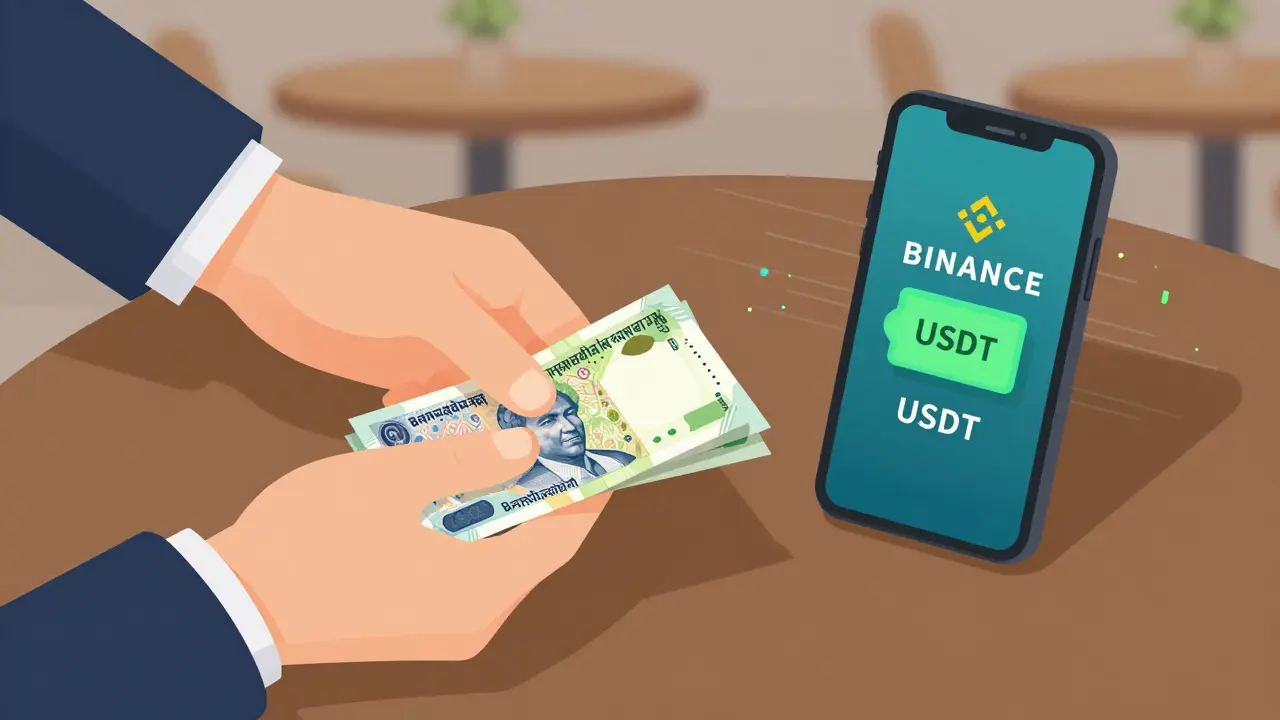
The Government’s Contradiction
Here’s the strangest part: Bangladesh released a National Blockchain Strategy in 2020. It says blockchain is vital for digital transformation. It wants to use the technology for land records, voting, and public services. But it still bans the cryptocurrency that runs on that same blockchain. That’s like banning cars because they use gasoline, but encouraging people to build better engines. The government can’t have it both ways. Blockchain and crypto are linked. You can’t separate them in practice.Who’s Using It?
It’s not just tech geeks. It’s students. Teachers. Shopkeepers. Factory workers. People who’ve seen their savings shrink in inflation-heavy years. People who’ve watched relatives work overseas and send money home through expensive remittance services. Crypto cuts those costs by 70%. A 2025 survey by a Dhaka-based research group found that 68% of crypto users in Bangladesh are under 35. Most have smartphones. Most have heard of Bitcoin through YouTube or TikTok. They don’t care about regulation. They care about results.The Risks Are Real
Yes, there are dangers. Scammers target new users. Fake exchanges pop up. Some people lose everything. The government can freeze bank accounts if they suspect crypto activity. There’s no legal protection. If you get hacked, you’re on your own. But here’s what no one talks about: the risk of doing nothing. If you’re a young person in Bangladesh and your only way to earn foreign income is through crypto, what’s the alternative? Working 12-hour shifts for $150 a month? That’s the real choice.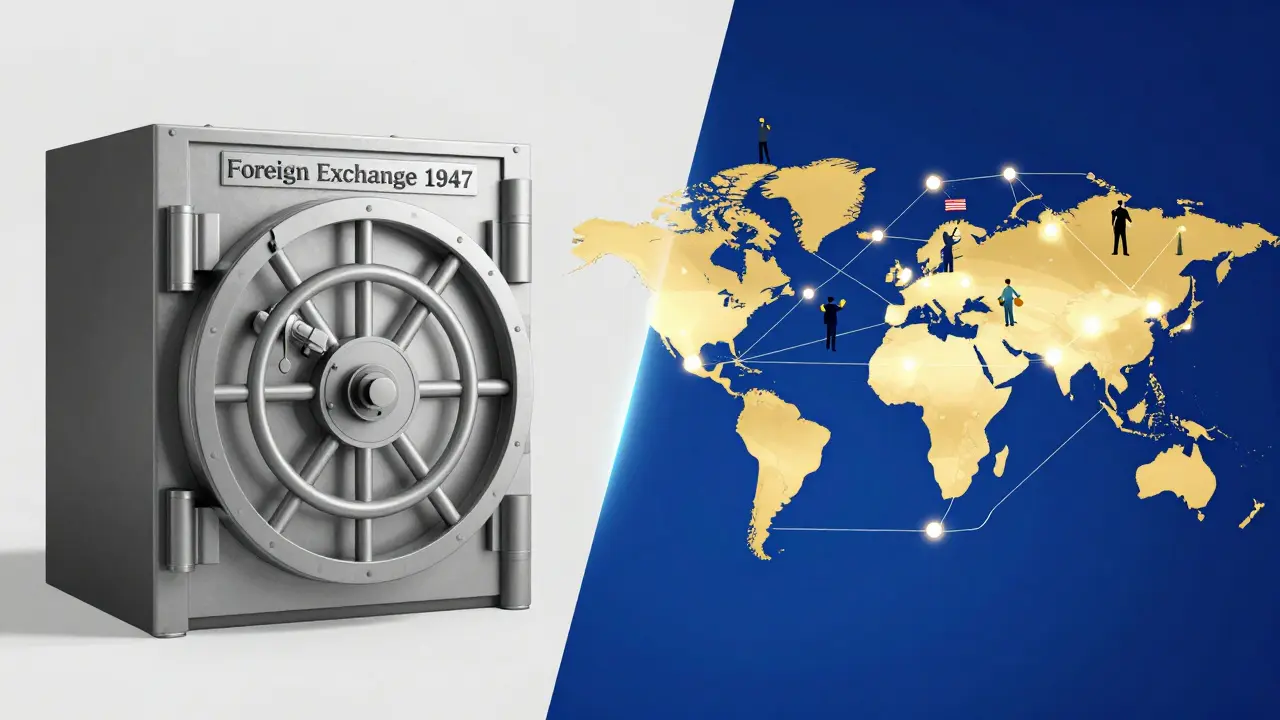
Author
Ronan Caverly
I'm a blockchain analyst and market strategist bridging crypto and equities. I research protocols, decode tokenomics, and track exchange flows to spot risk and opportunity. I invest privately and advise fintech teams on go-to-market and compliance-aware growth. I also publish weekly insights to help retail and funds navigate digital asset cycles.