
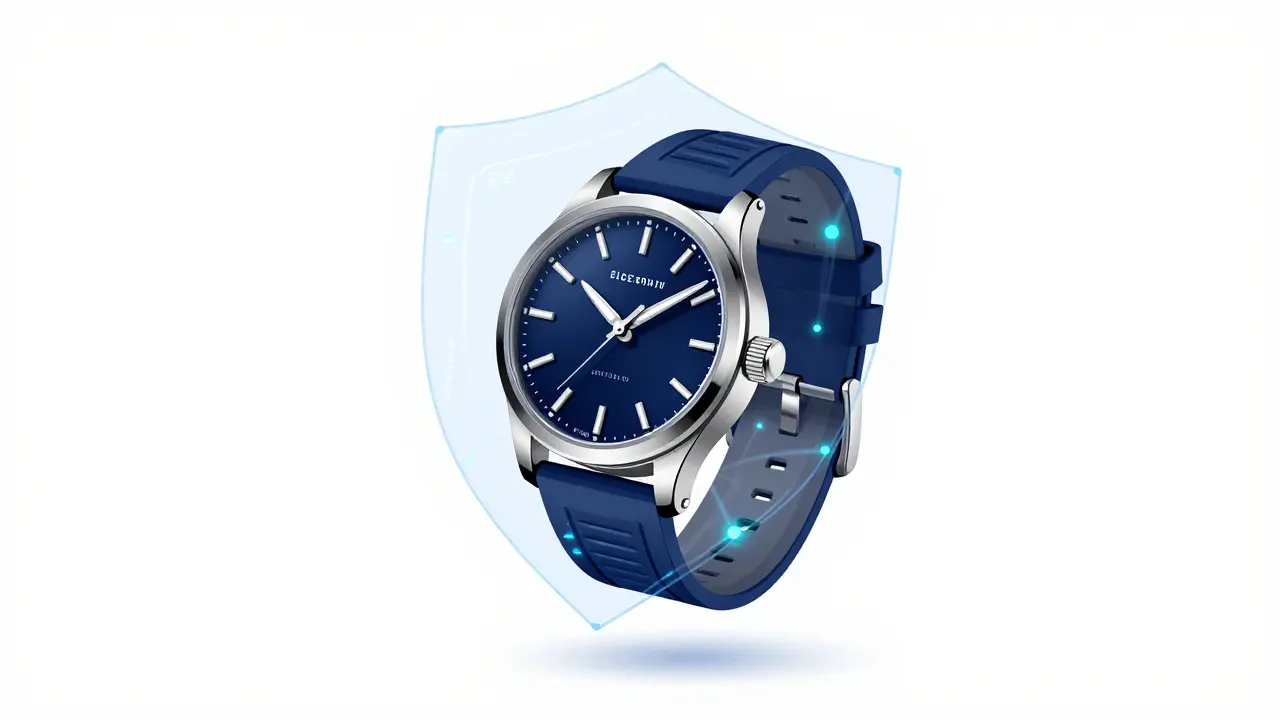
Imagine buying a luxury watch or a life-saving medication, only to find out later it’s a fake. It happens more often than you’d think. Counterfeit goods cost the global economy hundreds of billions of dollars every year. Worse, they put people at risk. Fake drugs can kill. Fake electronics can catch fire. For decades, brands relied on holograms and simple QR codes to stop fakes. But scammers got smarter. They copied those security features too.
That’s where blockchain anti-counterfeiting solutions come in. These systems use distributed ledger technology to create an unchangeable record of a product’s life. From the factory floor to your doorstep, every step is logged. You can’t fake what you can’t change. This isn’t just tech jargon; it’s a practical tool for trust. In 2026, as supply chains get more complex, this technology is moving from niche experiments to essential infrastructure.
How Blockchain Stops Fakes Before They Start
To understand why blockchain works, you have to look at how traditional methods fail. A hologram sticker looks cool, but if a scammer copies the design, the system breaks. A central database can be hacked or corrupted. If one person controls the truth, they can lie about it.
Blockchain changes the rules. Here is the basic process:
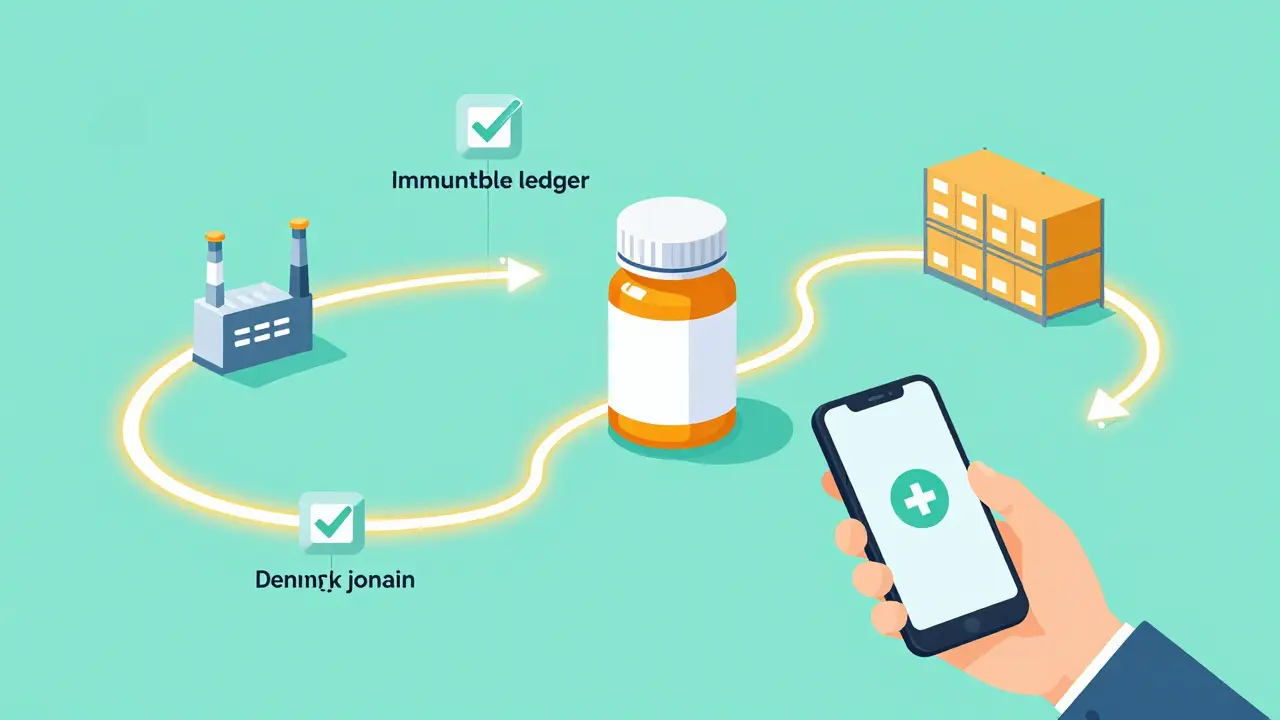
- Unique Identity: Every genuine product gets a unique digital ID. This could be a serial number engraved on the item, a QR code, or an RFID chip. Think of it as a passport for the product.
- Digital Twin: When the product is made, its data-manufacturer, date, materials-is recorded on the blockchain. This creates a "digital twin" that lives on a decentralized network.
- Immutable Ledger: Once that data is written, it cannot be changed. No single company or hacker can go back and edit the history. If someone tries, the network rejects it.
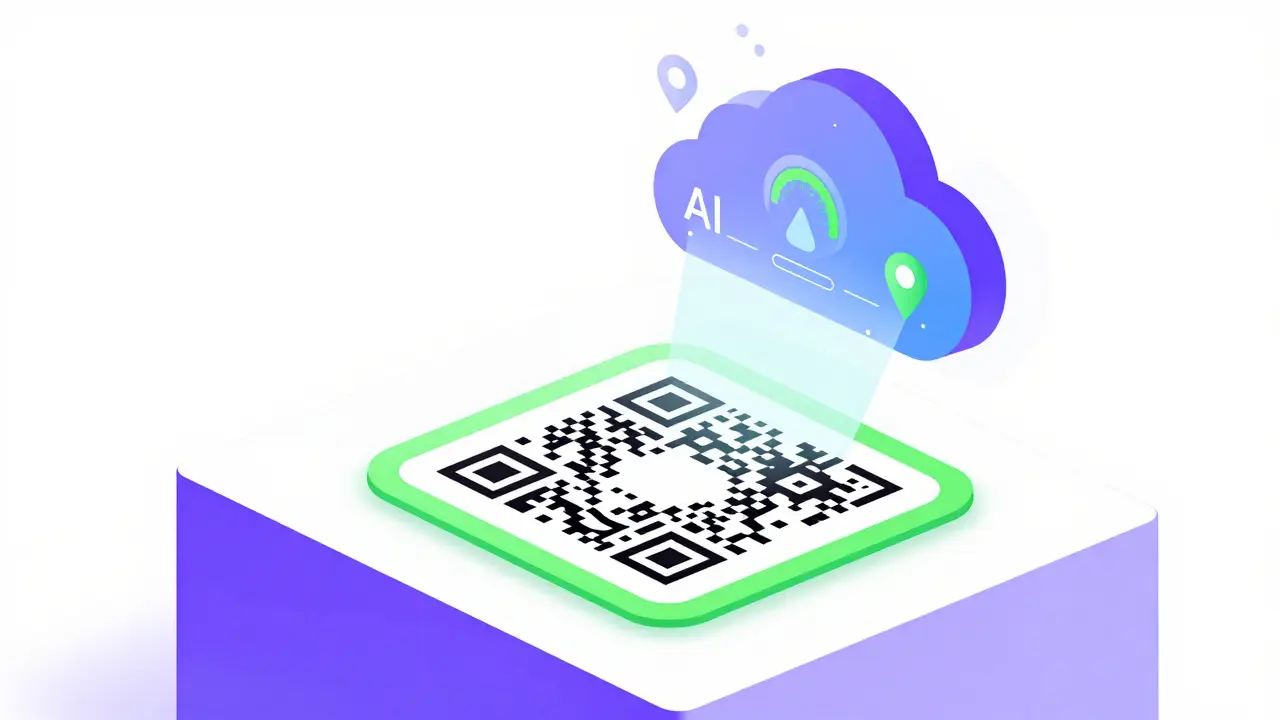
- Verification: When you buy the product, you scan the code. Your phone checks the blockchain. If the ID matches the record and hasn’t been scanned before (or has a valid transfer history), it’s real. If not, you know instantly.
The magic isn’t just in the recording; it’s in the transparency. Anyone with permission can see the history. This stops internal fraud too. If a warehouse manager tries to swap real goods for fakes, the blockchain will show a gap in the chain of custody.
Why Old Methods Are No Longer Enough
You might wonder, "Can’t I just use a better QR code?" The problem with standard QR codes is that they are static. They point to a website. If a counterfeiter scans a real product’s code and prints their own label with the same code, your scan still says "authentic." The code itself doesn’t prove anything. It just points somewhere.
Blockchain-backed codes are different because they are linked to a specific transaction history. Let’s look at the differences:
| Feature | Traditional Holograms/QR | Blockchain Solutions |
|---|---|---|
| Data Integrity | Vulnerable to copying and hacking | Immutable; cryptographically secured |
| Transparency | Centralized; hidden from public | Decentralized; auditable by stakeholders |
| Traceability | Limited to last known owner | Full lifecycle from raw material to consumer |
| Cost | Low initial cost | Higher setup; lower long-term risk costs |
| Consumer Trust | Based on brand promise | Based on verifiable proof |
Holograms were the first line of defense. They worked for a while. But as printing technology improved, so did the fakes. Blockchain adds a layer of logic that physical stickers can’t match. It proves not just that the label exists, but that the history behind it is consistent and untampered.
Who Is Using This Technology Right Now?
This isn’t science fiction. Several industries are already using blockchain to protect their products and customers.
Luxury Goods: Brands like LVMH and Richemont have invested heavily in this space. Why? Because a fake Rolex hurts the brand’s value. By issuing a digital certificate of authenticity on a blockchain, they ensure that when you resell the watch, the buyer knows it’s real. This protects the secondary market, which is huge for luxury items.
Pharmaceuticals: This is the most critical sector. Counterfeit medicines lack proper dosage or contain harmful substances. Companies are integrating blockchain with packaging technologies like Cryptoglyph covert features. When you scan the pill bottle, the system checks the blockchain to confirm the drug traveled through approved channels. This saves lives.
Electronics: Have you ever bought a cheap USB cable that fried your phone? That’s a counterfeit component. Electronics manufacturers use blockchain to track chips and parts. If a part fails, they can trace it back to the exact batch and supplier. This helps them fix quality issues quickly and avoid liability.
Fashion: Fast fashion faces massive pressure over sustainability. Blockchain allows brands to prove where their cotton came from. Did it use child labor? Was it grown with toxic pesticides? The ledger shows the answer. Consumers care about this now more than ever.
The Technical Challenges You Need to Know
It sounds perfect, right? So why isn’t every product using it? There are hurdles.
Scalability: Blockchains can be slow. If a brand sells millions of items a day, writing every single transaction to the main chain can clog the network. Many companies use side-chains or private blockchains to handle high volumes, then anchor key data to a public chain for verification.
The "Garbage In, Garbage Out" Problem: Blockchain ensures data isn’t changed after it’s entered. It doesn’t stop someone from entering false data at the start. If a factory worker marks a fake product as "real" before scanning it into the system, the blockchain will faithfully record a lie. To fix this, companies combine blockchain with physical security tags that are hard to copy, like AlpVision’s fingerprint technology or tamper-evident seals.
Integration Costs: Setting up these systems requires new hardware, software, and training. Small businesses often can’t afford it yet. However, as platforms become more standardized, costs are dropping. In 2026, we’re seeing more SaaS (Software as a Service) models that let smaller brands plug in without building their own blockchain infrastructure.
User Experience: If verifying a product takes five minutes and three apps, people won’t do it. The best solutions are seamless. You scan a QR code with your native camera app, and a simple green checkmark appears. The complexity happens in the background.
What Comes Next for Product Authentication?
The future of anti-counterfeiting isn’t just blockchain alone. It’s blockchain combined with other smart technologies.
IoT Sensors: Imagine a shipping container with temperature sensors. If the medicine gets too hot during transit, the sensor logs it on the blockchain. Even if the pills are real, they might be spoiled. The blockchain tells you the product was compromised, not just faked.
AI and Machine Learning: AI can analyze patterns in supply chain data to spot anomalies. If a batch of goods suddenly appears from an unknown location, AI flags it. Blockchain provides the immutable record that AI analyzes.
Regulatory Pressure: Governments are starting to mandate transparency. The EU and US are pushing for stricter tracking of pharmaceuticals and batteries. Blockchain makes compliance easier because the audit trail is automatic. Companies that adopt this early will face fewer legal headaches later.
We are moving toward a world where every product has a digital passport. You’ll know exactly who made it, where it went, and whether it’s safe. For consumers, this means peace of mind. For businesses, it means protecting their reputation. And for society, it means reducing the flow of dangerous, illegal goods.
The technology is ready. The question is no longer "if" but "when" your next purchase will come with a verified history. Keep an eye on the labels. The ones with blockchain verification are the ones you can trust.
Is blockchain anti-counterfeiting expensive for small businesses?
Initially, yes. Setting up custom blockchain infrastructure requires technical expertise and investment. However, in 2026, many third-party providers offer affordable subscription-based services. Small brands can join existing networks rather than building their own, significantly lowering entry costs. The expense is often justified by reduced losses from counterfeits and increased customer trust.
Can hackers break into a blockchain to fake a product record?
It is extremely difficult. Blockchain uses cryptographic hashing and decentralization. To alter a record, a hacker would need to control more than 51% of the entire network’s computing power simultaneously, which is practically impossible for major public blockchains. While the underlying data is secure, the weak point is usually the physical connection-the initial scanning process-which is why combining blockchain with tamper-proof physical tags is essential.
How does blockchain help with sustainability claims?
Blockchain provides an unchangeable record of a product’s journey. Brands can log data about raw material sourcing, carbon emissions during transport, and ethical labor practices. Because this data cannot be edited later, it prevents "greenwashing," where companies falsely claim eco-friendly practices. Consumers can verify these claims by scanning the product’s code.
What is the difference between a regular QR code and a blockchain QR code?
A regular QR code simply links to a website, which anyone can copy or redirect. A blockchain QR code links to a unique token on a distributed ledger. This token contains a history of ownership and transactions that is cryptographically secured. If someone tries to copy the QR code, the blockchain will show that the ID has already been activated or transferred, revealing the fake.
Which industries benefit most from blockchain anti-counterfeiting?
High-value and high-risk industries benefit the most. Luxury goods (watches, handbags) protect brand value. Pharmaceuticals ensure patient safety. Electronics prevent safety hazards from faulty components. Food and beverage industries use it to track origin and freshness. Any industry where trust and authenticity drive price or safety sees immediate returns on investment.
Does blockchain replace all other security measures?
No. Blockchain is a layer of security, not a complete replacement. It works best when combined with physical security features like holograms, RFID chips, or chemical markers. This multi-layered approach ensures that even if one method is bypassed, the others still provide protection. Experts recommend a hybrid strategy for maximum effectiveness.
Author
Ronan Caverly
I'm a blockchain analyst and market strategist bridging crypto and equities. I research protocols, decode tokenomics, and track exchange flows to spot risk and opportunity. I invest privately and advise fintech teams on go-to-market and compliance-aware growth. I also publish weekly insights to help retail and funds navigate digital asset cycles.