
Imagine waking up on January 1st and finding thousands of dollars worth of cryptocurrency sitting in your wallet. That is the promise behind every major crypto airdrop, and the JOJO New Year Event has been one of the most talked-about opportunities for retail investors. But here is the catch: the crypto space is noisy, scams are rampant, and official information can be buried under layers of hype. If you are looking to secure your share of the JOJO tokens, you need more than just luck; you need a precise strategy.
This guide cuts through the noise. We will break down exactly what the JOJO project is, how these New Year events typically work, the specific steps to verify eligibility, and how to claim your rewards without falling victim to phishing attacks. Whether you are a seasoned DeFi user or a newcomer, understanding the mechanics behind this distribution is crucial for maximizing your potential gains.
Understanding the JOJO Ecosystem
Before diving into the airdrop mechanics, it is essential to understand what you are actually holding. The term "JOJO" in the cryptocurrency world often refers to multiple distinct projects, which can cause significant confusion. The most prominent entity associated with this name is JoJoWorld AI, which utilizes the $JOJO token to reward creators who contribute high-quality 3D data to its decentralized network. This project, operational since 2022, focuses on the intersection of artificial intelligence and blockchain technology.
However, you might also encounter other variants. There is a separate JOJO project operating on the Binance Smart Chain (BSC) that markets itself as a metaverse platform integrating meme coins, NFTs, and GameFi elements. Additionally, a Solana-based JOJO token exists, leveraging the network's high-speed transactions for general Web3 utility. For the purpose of this New Year Event analysis, we are primarily focusing on the mainnet distributions associated with the leading JoJoWorld ecosystem, as this is where the majority of community attention and liquidity reside.
Understanding this distinction is vital because wallet addresses and contract addresses differ across blockchains. Sending funds to the wrong chain or interacting with the wrong smart contract is the most common way users lose assets during airdrop campaigns. Always double-check the blockchain network before taking any action.
How New Year Crypto Events Work
Crypto projects use seasonal events, particularly around New Year, to boost engagement, onboard new users, and distribute governance tokens. These events are not random giveaways; they are strategic marketing tools designed to increase the active user base and decentralize token ownership. The JOJO New Year Event follows this standard industry pattern but adds specific layer-1 interaction requirements.
Typically, these events operate on a snapshot basis. The project team takes a record of all eligible wallets at a specific block height or timestamp. To qualify, users usually need to have performed certain actions prior to the snapshot date. These actions might include:
- Holding a minimum amount of $JOJO tokens in a non-custodial wallet.
- Participating in specific staking pools or liquidity provision contracts.
- Completing social tasks such as joining Discord servers or following official Twitter accounts.
- Contributing data or content to the JoJoWorld platform, if applicable to the AI-focused version.
The distribution mechanism is often automated via smart contracts. Once the snapshot is taken, eligible addresses receive their allocation directly in their wallets, or they must visit a dedicated claim portal to initiate the transaction. The latter method is more common as it allows users to opt-in and ensures gas fees are paid by the recipient, reducing the administrative burden on the project team.
Step-by-Step Eligibility Checklist
To ensure you do not miss out, you need to verify your eligibility systematically. Here is a concrete checklist based on typical JOJO event structures. Treat this as your pre-flight inspection before claiming.
- Verify Your Wallet Address: Ensure the wallet you used for interactions is the same one you intend to claim from. If you spread your activities across multiple wallets, check each one individually. Most airdrops do not combine balances from different addresses unless explicitly stated.
- Check Token Holdings: Confirm that you held the required amount of $JOJO during the snapshot period. Even if you bought tokens after the snapshot, you may still be eligible if you participated in earlier phases, but holding at the time of the snapshot is the safest bet.
- Review Social Engagement: Many projects require proof of community involvement. Check if you have linked your wallet to the official Discord or Telegram channels. Some platforms use bot-integrated verification systems that automatically tag eligible users.
- Confirm Network Compatibility: Make sure your wallet supports the correct network (e.g., Ethereum, BSC, or Solana). If the airdrop is on BSC, ensure you have enough BNB for gas fees. If it is on Ethereum, you will need ETH. Running out of gas mid-claim is a frustrating and costly error.
- Look for Official Announcements: Scammers often create fake websites mimicking official portals. Only trust links shared from verified social media accounts with blue checks or official domain names. Never click on DMs from unknown sources.
Claiming Your Rewards Safely
Once you have confirmed your eligibility, the next step is claiming. This process requires caution. Phishing sites are sophisticated and can drain your wallet if you connect it blindly. Follow these security protocols to protect your assets.
First, always navigate to the claim site manually by typing the URL into your browser or using a bookmarked link from an official source. Second, use a burner wallet if possible. A burner wallet contains only the funds necessary for the claim and minimal exposure of your main holdings. This limits the damage if something goes wrong.
When connecting your wallet, pay close attention to the permissions requested. Legitimate claim sites usually only ask for read-only access to check your balance or sign a simple message. If a site asks for unlimited approval of your entire token balance, pause and investigate further. Use tools like Revoke.cash to manage and revoke unnecessary permissions regularly.
The actual claim transaction will trigger a smart contract interaction. You will see a prompt in your wallet interface asking you to confirm the transaction details. Verify the contract address matches the official JOJO token contract. If the numbers look off, cancel the transaction immediately. After confirmation, wait for the blockchain to process the block. This can take anywhere from seconds to minutes depending on network congestion.
Common Pitfalls and How to Avoid Them
Even experienced users make mistakes during high-hype events. Here are the most frequent errors and how to sidestep them.
| Mistake | Consequence | Best Practice |
|---|---|---|
| Clicking unverified links | Phishing attack, wallet drained | Use official domains only |
| Ignoring gas fees | Transaction fails, lost money | Keep extra native tokens for gas |
| Mixing up networks | Tokens sent to wrong chain | Double-check network selection |
| Missing deadlines | No reward received | Set calendar reminders early |
| Selling too quickly | Slippage losses, missed growth | Research market conditions first |
Another critical pitfall is tax negligence. In many jurisdictions, including New Zealand, airdropped tokens are considered taxable income at the time of receipt. The value is calculated based on the fair market price at the moment you claim the tokens. Keep detailed records of the claim date, amount received, and USD/NZD value at that time. This documentation will save you headaches when filing your annual tax return.
What Happens After the Claim?
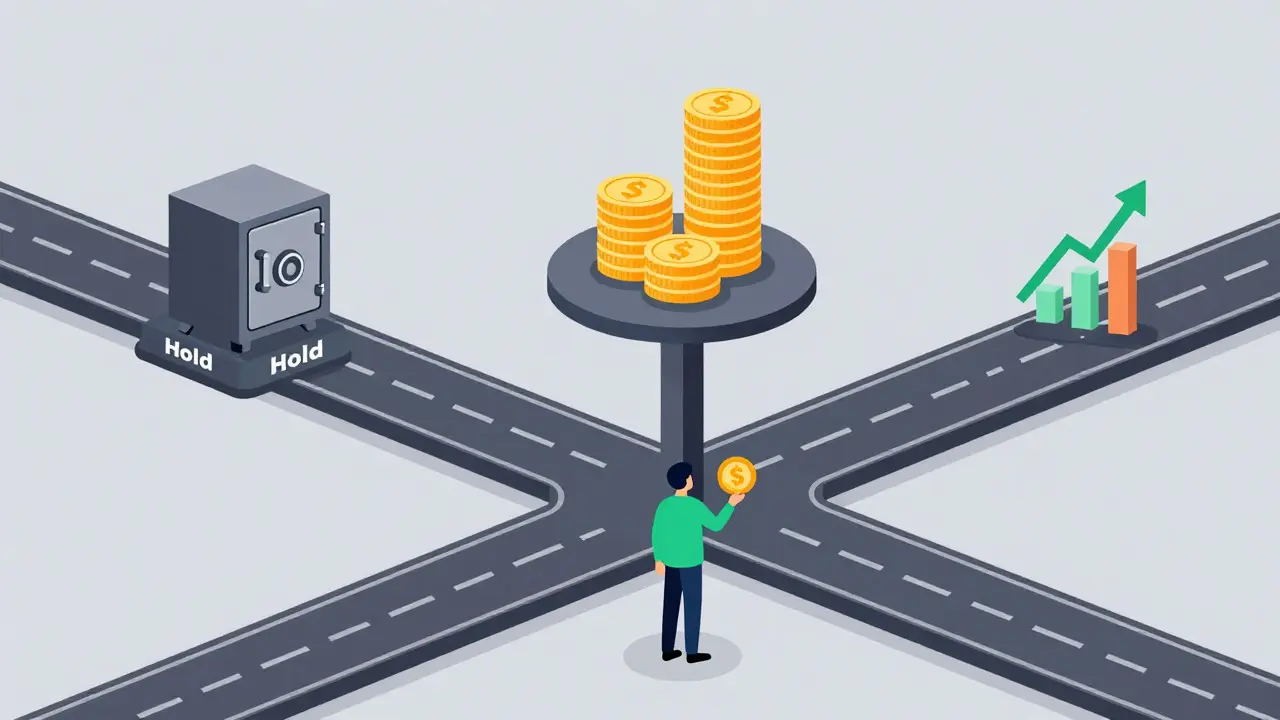
Once the tokens are in your wallet, you face a decision: hold, stake, or sell. Each option carries different risk profiles. Holding is the simplest but exposes you to market volatility. Staking allows you to earn additional rewards by locking your tokens in the JOJO protocol, contributing to network security or liquidity. Selling provides immediate liquidity but may result in lower long-term gains if the project succeeds.
For those interested in the JoJoWorld AI ecosystem, consider participating in the data contribution program. By uploading 3D assets or other relevant data, you can earn ongoing rewards beyond the initial airdrop. This transforms a one-time windfall into a sustainable income stream aligned with the project's growth.
If you choose to trade, be aware of liquidity depth. New airdrops can experience high sell pressure immediately after claims open, causing temporary price drops. Using limit orders instead of market orders can help you avoid slippage and get a better execution price. Monitor the order book and recent trading volume to gauge market sentiment before executing large trades.
Staying Updated on Future Events
The JOJO ecosystem is dynamic, with regular updates and new initiatives. To stay ahead, subscribe to official newsletters and join community forums. Projects often announce future airdrops or bonus rounds exclusively to engaged community members. Active participation in governance discussions can also provide early insights into upcoming features and tokenomics changes.
Remember, consistency is key. Building a reputation as an active participant in the ecosystem can lead to preferential treatment in future distributions. Engage respectfully, contribute valuable feedback, and support the community. The crypto space rewards those who build genuine connections rather than just chasing quick profits.
Is the JOJO New Year Airdrop free?
Yes, the airdrop itself is free to claim. However, you will need to pay gas fees on the respective blockchain network (such as ETH for Ethereum or BNB for BSC) to execute the claim transaction. Budget accordingly for these small network costs.
Which wallet should I use for the JOJO airdrop?
Non-custodial wallets like MetaMask, Trust Wallet, or Phantom (for Solana) are recommended. These give you full control over your private keys. Avoid custodial exchanges for claiming, as they may impose withdrawal fees or delays.
What if I missed the snapshot date?
If you missed the initial snapshot, you likely cannot claim the primary airdrop. However, keep an eye on official announcements for potential retroactive bonuses or future events. Projects sometimes offer second-chance mechanisms for highly engaged users.
Are there taxes on JOJO airdrop rewards?
In most countries, including New Zealand, airdropped tokens are treated as taxable income upon receipt. You must report the fair market value of the tokens at the time of claim. Consult a local tax professional for specific advice tailored to your situation.
How do I verify if my wallet is eligible?
Visit the official JOJO claim portal and connect your wallet. The interface will typically display your eligibility status and the amount of tokens allocated to you. If no amount is shown, your wallet may not meet the criteria or was not included in the snapshot.
Can I claim the airdrop on mobile?
Yes, most modern wallets support mobile transactions. Ensure you are using the official app and have sufficient native tokens for gas fees. Mobile interfaces can sometimes be less intuitive, so proceed carefully and double-check all details before confirming.
What is the difference between JoJoWorld AI and other JOJO projects?
JoJoWorld AI focuses on rewarding 3D data contributions for AI training, while other JOJO projects may focus on gaming, memes, or general Web3 utilities on different chains like BSC or Solana. Always verify the specific project and contract address to ensure you are interacting with the intended ecosystem.
Author
Ronan Caverly
I'm a blockchain analyst and market strategist bridging crypto and equities. I research protocols, decode tokenomics, and track exchange flows to spot risk and opportunity. I invest privately and advise fintech teams on go-to-market and compliance-aware growth. I also publish weekly insights to help retail and funds navigate digital asset cycles.