
If you've been searching for a dedicated platform called "CtcSwap," you might have noticed a frustrating trend: it doesn't actually exist as a standalone exchange. Instead, "CtcSwap" is a term people use to describe the act of swapping Creditcoin is a blockchain-based cryptocurrency focused on creating a decentralized credit network, operating on both the Ethereum network and its own native blockchain. Also known as CTC across various platforms. This creates a bit of a minefield for traders who just want to move their assets without losing funds to a network error.
The real challenge with trading CTC isn't finding a place to do it, but choosing the right type of service. Since Creditcoin isn't listed on major US giants like Coinbase or Kraken, you're forced into the world of international exchanges and aggregators. Whether you are looking to diversify your portfolio or cash out, you need to understand the difference between a direct exchange and an aggregator to avoid overpaying in fees.
Aggregators vs. Direct Exchanges: Which is Better for CTC?
When you want to swap CTC, you'll likely run into two main options: an aggregator like SwapSpace or a direct service like Changelly. They work very differently. An aggregator is essentially a search engine for crypto rates. It scans multiple liquidity providers and shows you who has the cheapest price. On the other hand, a direct exchange handles the trade themselves.
If you're chasing the absolute lowest price, aggregators usually win. Benchmarking data from ECOS shows that SwapSpace often provides rates about 0.35% lower than direct exchanges. However, this comes with a trade-off in support. Because SwapSpace acts as a middleman, troubleshooting a stuck transaction can be a nightmare; you're often caught between the aggregator's support and the actual provider's help desk.
Direct services like Changelly offer a more streamlined experience. They have a higher level of control over the process, which reflects in their speed. About 92.7% of their CTC transactions wrap up in under 8 minutes. You pay a premium for this stability-usually a markup between 0.5% and 1.5%-but you get 24/7 live chat support that actually knows what's happening with your coins.
| Feature | SwapSpace (Aggregator) | Changelly (Direct Exchange) |
|---|---|---|
| Average Fees | 0.1% - 2.5% (Variable) | 0.5% - 1.5% (Fixed Markup) |
| Transaction Speed | 2 - 15 Minutes | Under 10 Minutes |
| Support Type | Email (12-24h response) | 24/7 Live Chat (< 8m response) |
| Best For | Price hunting & low fees | Speed & reliability |
The Danger of Dual Implementations: ERC-20 vs. Native Chain
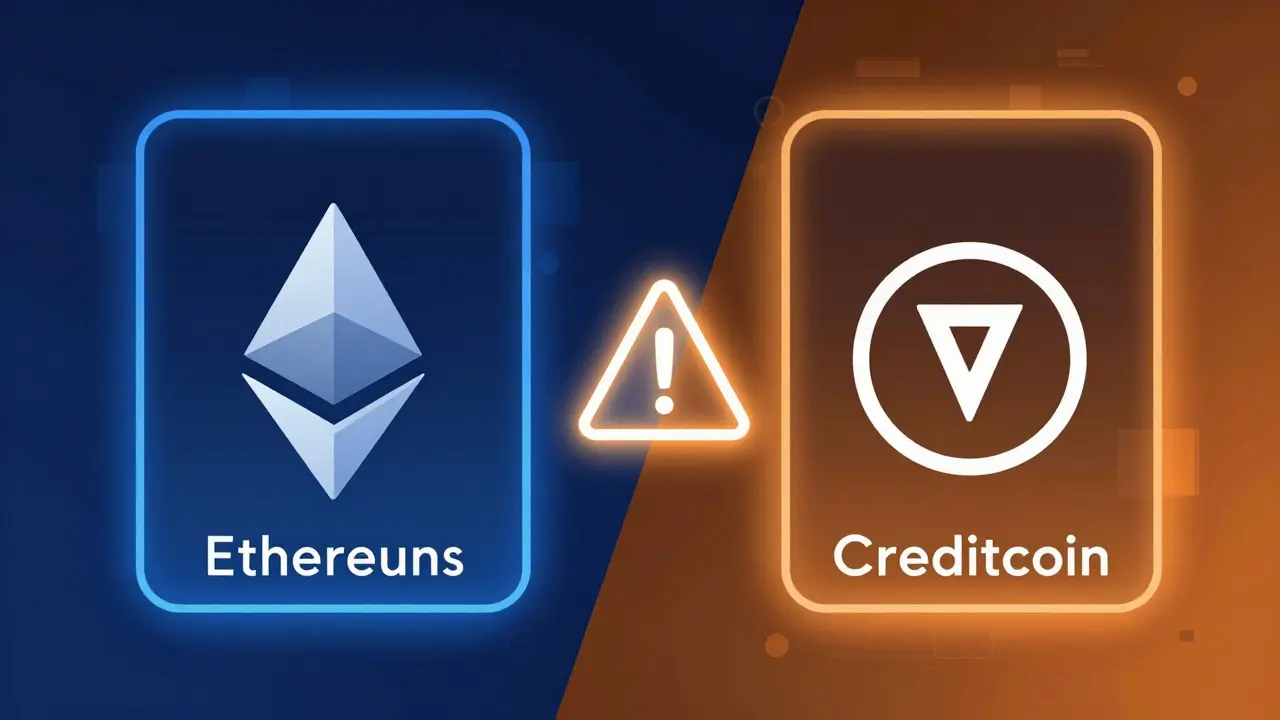
Here is where most beginners lose their money. Creditcoin exists in two forms: as an ERC-20 token on the Ethereum network and on its own native Creditcoin blockchain. They are not the same thing, and they do not use the same addresses.
If you send ERC-20 tokens to a native chain address, those funds are likely gone forever. This isn't just a rare mistake; transparency reports indicate that nearly 23% of support tickets for CTC swaps are related to these network errors. When choosing a platform, you must verify which network they support. Until recently, most only handled ERC-20, but services like Changelly have started integrating native chain support, which is a huge win because it cuts out the expensive Ethereum gas fees.
Speaking of gas, if you're swapping on the Ethereum network, be prepared for price swings. During high congestion, you might pay between $1.20 and $3.50 just to move your tokens. For small swaps, this can eat up over 2% of your total transaction value before the exchange even takes its cut.

Step-by-Step: How to Swap Your CTC Safely
Since there is no single "CtcSwap" app, here is the most reliable workflow to move your assets without stressing over the technical details:
- Verify your Asset: Check your wallet. Do you hold CTC on Ethereum (ERC-20) or on the native Creditcoin chain? This determines where you can send it.
- Pick your Priority: If you want the cheapest rate, use an aggregator. If you want the fastest, most supported experience, go with a direct exchange.
- Complete KYC: Most reputable platforms require Know Your Customer (KYC) verification. Expect this to take anywhere from 5 to 24 hours. Don't start a time-sensitive trade without doing this first.
- Double-Check the Address: When the platform gives you a deposit address, look at the network label. Ensure it matches your token type (Native vs. ERC-20).
- Send a Test Amount: If you're moving a large sum, send a tiny fraction first. It's better to lose $2 on a test than $2,000 on a mistake.
The Verdict: Is CTC Trading Worth the Hassle?
Trading Creditcoin is currently a bit of a fragmented experience. Because it's a lower-cap token, you'll see significant price gaps between different platforms-sometimes as high as 2.8%. This is why using a tool to compare rates is almost mandatory.
The long-term outlook is interesting. The Creditcoin Foundation is working on a Cross-Chain Swap Protocol expected in 2026, which should eventually kill off the need for these clumsy intermediary swaps. Until then, the "CtcSwap" experience relies entirely on your ability to manage network selections and navigate the limited number of international exchanges that still support the token.
Is there an official CtcSwap exchange?
No, there is no official standalone exchange named CtcSwap. It is a general term for exchanging Creditcoin (CTC) using third-party platforms like SwapSpace or Changelly.
Why can't I find Creditcoin on Coinbase or Binance US?
Many top US exchanges avoid listing CTC due to regulatory uncertainties and classification issues. US traders typically have to use international services or P2P platforms.
What happens if I send ERC-20 CTC to a native chain address?
This is a critical error that usually results in a total loss of funds, as the two networks are incompatible. Always verify the network type before confirming a transfer.
How long does a typical CTC swap take?
Depending on the platform, swaps usually take between 2 and 15 minutes. Direct exchanges like Changelly are generally faster, often completing trades in under 10 minutes.
Are the fees for swapping CTC high?
Fees vary. Aggregators can be as low as 0.1%, while direct exchanges might charge a 0.5% to 1.5% markup. Additionally, if you use the Ethereum network, you must pay gas fees which can range from $1.20 to $3.50.


Author
Ronan Caverly
I'm a blockchain analyst and market strategist bridging crypto and equities. I research protocols, decode tokenomics, and track exchange flows to spot risk and opportunity. I invest privately and advise fintech teams on go-to-market and compliance-aware growth. I also publish weekly insights to help retail and funds navigate digital asset cycles.