

It is illegal to buy, sell, or mine cryptocurrency in Morocco. The law has been clear since November 2017, when Bank Al-Maghrib, the central bank, alongside the Moroccan Exchange Office, declared all digital asset activities a violation of foreign exchange regulations. On paper, the country should have zero crypto activity. In reality, millions of Moroccans are trading Bitcoin, Ethereum, and stablecoins every single day. They just do it in the shadows.
This contradiction is what experts call the "Crypto Paradox." While the government bans these assets to protect monetary sovereignty, the demand for them keeps growing. By 2026, the underground market is projected to hit nearly $300 million. You might wonder how this is possible with such strict laws. The answer lies in a complex web of peer-to-peer networks, virtual private networks (VPNs), and informal trust systems that operate completely outside the formal banking sector.
The Mechanics of the Underground Market
If you cannot use a local bank account to buy crypto, you have to get creative. The underground ecosystem in Morocco relies heavily on mobile-based peer-to-peer (P2P) transactions. According to recent data, about 82% of users access international exchange apps like Binance, Bybit, and OKX through VPNs. These tools mask their location, allowing them to bypass geo-blocking measures imposed by internet service providers.
But accessing the app is only half the battle. You still need to move Moroccan Dirhams (MAD) into crypto without triggering alerts from traditional banks. This is where informal networks step in. Roughly 68% of transactions are coordinated through WhatsApp groups and Telegram channels. These groups act as decentralized clearinghouses. Users post offers to buy or sell specific amounts of crypto, often using trusted intermediaries who facilitate the exchange of cash for digital tokens.
The most popular assets in this shadow market tell us a lot about user priorities. Bitcoin dominates with over 57% of the volume, followed by Ethereum at 22%. However, USDT (Tether) makes up nearly 16% of trades. Why so many stablecoins? Because Moroccans aren't just speculating; they are trying to preserve value against inflation and facilitate cross-border payments. Stablecoins offer a way to hold USD-pegged value without leaving the crypto ecosystem.
Why People Trade Despite the Risks
You might ask why someone would risk legal penalties to trade crypto. For many, the benefits outweigh the dangers. The primary driver is international remittances. About 44% of crypto transactions in Morocco are used to send or receive money from abroad. Traditional banking fees for transfers can be high, and processing times slow. Crypto offers a faster, albeit riskier, alternative.
Consider the experience of a typical trader. A user on the r/CryptoMorocco community reported making 22,000 MAD in profit over three years through local OTC groups. That is significant income in a country with limited financial opportunities. Speculative trading accounts for another 31% of activity. Younger demographics, particularly those aged 18-35 in urban centers like Casablanca and Rabat, see crypto as a way to participate in the global economy.
However, this freedom comes at a steep price. Transaction fees in the underground market average between 3.8% and 5.2%, compared to less than 0.5% in regulated markets. Settlement times are also sluggish, averaging 72 hours due to the manual verification processes required in P2P deals. More importantly, there is no consumer protection. If a seller takes your money and disappears, you have nowhere to go. About 32% of users report encountering fraud attempts, and 18% have lost funds to scams.

The Government’s Changing Stance
For years, the official narrative was simple: crypto threatens monetary sovereignty. The government feared capital flight and loss of control over the currency. But prohibition has not stopped adoption. In fact, underground activity grew by an estimated 140% between 2017 and 2024. Recognizing this failure, the strategy is shifting.
In November 2024, Bank Al-Maghrib Governor Abdellatif Jouahri announced that a draft law to regulate cryptocurrency was in the works. This marks a major pivot from total ban to controlled integration. The goal is not to embrace crypto blindly but to bring it under supervision. The new framework aims to address the original concerns-money laundering and illicit finance-while capturing tax revenue and fostering innovation.
The proposed regulations include several key components:
- Mandatory Anti-Money Laundering (AML) and Countering the Financing of Terrorism (CFT) compliance.
- Strict Know Your Customer (KYC) verification for all transactions.
- Licensing requirements for exchanges, with application costs estimated between MAD 150,000 and MAD 200,000.
- A 15% capital gains tax on crypto profits.
- Oversight of Initial Coin Offerings (ICOs) by the Moroccan Capital Market Authority (AMMC).
This shift aligns Morocco with regional trends. While neighbors like Algeria and Tunisia maintain strict bans, Egypt launched a regulatory sandbox in late 2023. Morocco risks losing talent and investment if it stays behind. Finance Minister Nadia Fettah Alaoui has stated the ambition to transform the country into a regional fintech hub in North Africa.
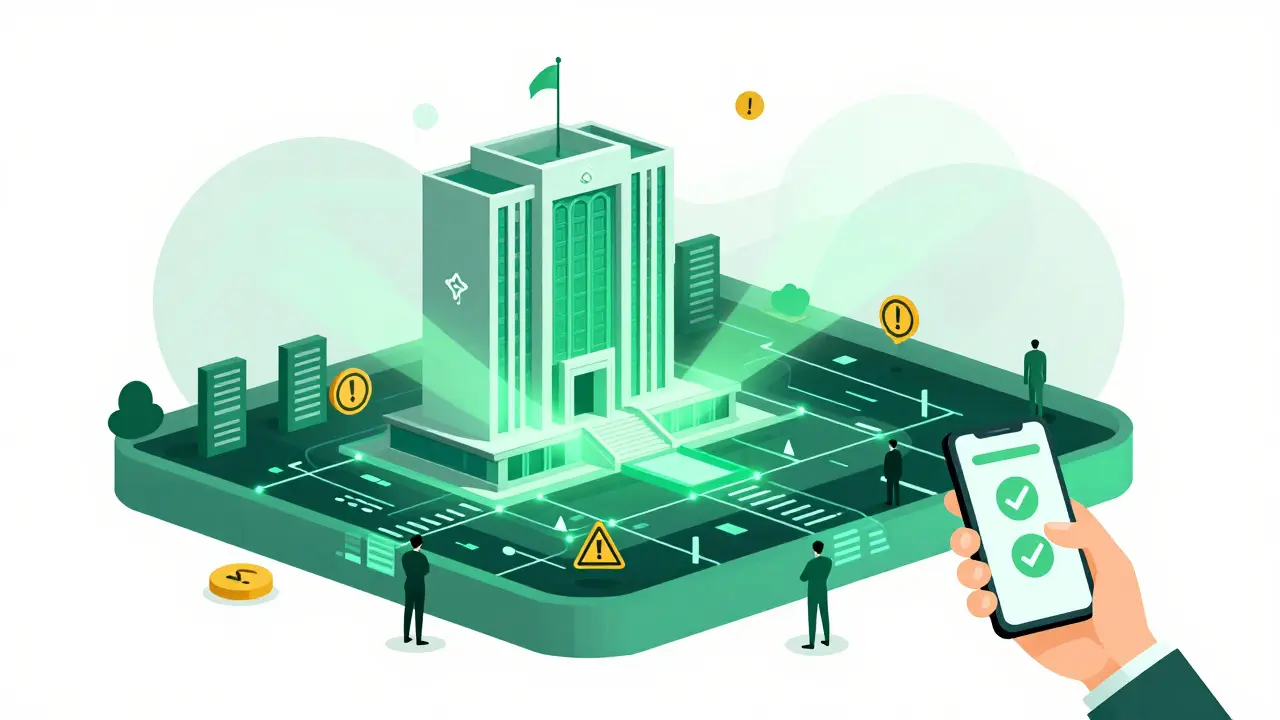
What Regulation Means for Users
If the draft law passes as expected in mid-2026, the underground market will likely shrink, but not disappear overnight. Regulated exchanges will offer safer, cheaper ways to trade. Fees could drop significantly, and settlement times would improve. Consumers would gain recourse if things go wrong, reducing the fear of fraud.
However, some restrictions will remain. Commercial payments and settlements using crypto will still be prohibited. Businesses must continue using traditional banking channels for international trade. This means you won’t be able to pay for groceries or rent with Bitcoin anytime soon. The focus is on investment and remittances, not daily commerce.
For current underground traders, the transition requires adaptation. Those relying on informal WhatsApp groups may need to migrate to licensed platforms. This involves identity verification and accepting higher transparency. Some may resist, fearing privacy loss or bureaucratic hurdles. But the long-term stability offered by regulation could attract more mainstream users, increasing liquidity and market depth.
| Feature | Underground Market (Current) | Regulated Market (Projected) |
|---|---|---|
| Transaction Fees | 3.8% - 5.2% | < 0.5% |
| Settlement Time | Average 72 hours | Near-instant |
| Fraud Risk | High (No recourse) | Low (Consumer protection) |
| Access Method | VPN + P2P Groups | Licensed Exchanges |
| Taxation | Unreported | 15% Capital Gains Tax |
| Legal Status | Illegal | Legal (with restrictions) |
Navigating the Transition
As we move toward 2026, the landscape is evolving rapidly. If you are involved in crypto in Morocco, staying informed is crucial. Watch for official announcements from Bank Al-Maghrib regarding licensing procedures. Prepare for KYC requirements by having valid identification documents ready. Consider diversifying your holdings beyond Bitcoin and USDT as more compliant assets become available.
For newcomers, the upcoming regulation lowers the barrier to entry. You no longer need to learn complex P2P negotiation tactics or rely on unverified strangers. Instead, you can use established platforms with customer support. However, always remember that crypto remains volatile. Do not invest more than you can afford to lose, and understand the tax implications before trading.
The story of crypto in Morocco is one of resilience and adaptation. From a complete ban to a burgeoning underground economy, and now toward regulated acceptance, the journey reflects broader global trends. The paradox is ending, replaced by a pragmatic approach that balances innovation with security.
Is it still illegal to own cryptocurrency in Morocco?
Yes, technically. The 2017 ban by Bank Al-Maghrib prohibits buying, selling, and mining cryptocurrencies. However, enforcement has been inconsistent, leading to a large underground market. With the new draft law expected in 2026, ownership may become legal under regulated conditions, but commercial use will remain restricted.
How do Moroccans currently buy Bitcoin?
Most users rely on peer-to-peer (P2P) platforms like Binance or Bybit, accessed via VPNs to bypass geo-blocking. Transactions are often facilitated through informal networks on WhatsApp or Telegram, where buyers and sellers coordinate cash exchanges for crypto transfers.
What are the risks of trading crypto underground?
Risks include high transaction fees (up to 5%), slow settlement times (average 72 hours), and significant fraud exposure. About 32% of users report scam attempts, and there is no legal recourse if funds are stolen. Additionally, participants face potential legal penalties for violating the ban.
When will crypto be regulated in Morocco?
Bank Al-Maghrib announced a draft law in November 2024, with implementation targeted for Q3 2025 or early 2026. The new framework will require licensing for exchanges, enforce KYC/AML rules, and impose a 15% capital gains tax.
Can I use crypto for payments in Morocco?
No. Even under the proposed regulatory framework, using cryptocurrency for commercial payments and settlements is prohibited. Businesses must continue using traditional banking channels for international trade and domestic transactions.
Author
Ronan Caverly
I'm a blockchain analyst and market strategist bridging crypto and equities. I research protocols, decode tokenomics, and track exchange flows to spot risk and opportunity. I invest privately and advise fintech teams on go-to-market and compliance-aware growth. I also publish weekly insights to help retail and funds navigate digital asset cycles.