

Buying cryptocurrency shouldn't feel like walking through a minefield. Yet for millions of people in emerging markets, traditional banking infrastructure is either unreliable or completely inaccessible. This is where Remitano comes in. Founded in 2014 and headquartered in the Seychelles, this platform has carved out a specific niche: peer-to-peer (P2P) trading with a heavy emphasis on trust and simplicity. But does it actually deliver on its promises, especially after security concerns surfaced in recent years?
If you are looking for a high-speed trading bot or access to hundreds of obscure altcoins, Remitano is not your answer. However, if you live in a region with strict capital controls, limited bank integration, or just want to buy Bitcoin using local mobile money services, this exchange might be exactly what you need. Let’s break down how it works, where it shines, and where it falls short.
How Remitano Works: The P2P Model Explained
Unlike centralized exchanges like Binance or Coinbase that use an order book to match buyers and sellers automatically, Remitano operates as a marketplace. Think of it more like eBay than a stock exchange. Sellers post ads offering specific amounts of cryptocurrency at set prices. You browse these ads, choose one that fits your budget and preferred payment method, and initiate a trade.
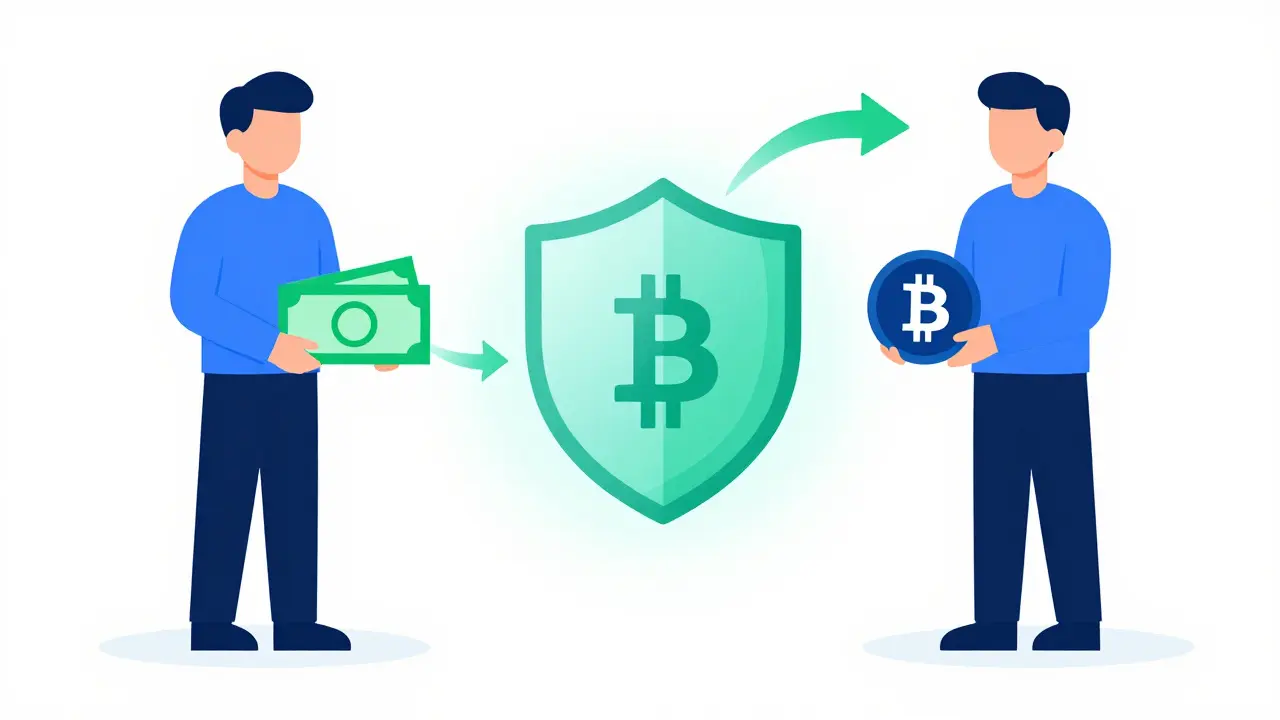
The core mechanism here is the escrow systema secure holding service that keeps funds safe until both parties fulfill their obligations. When you agree to buy Bitcoin from a seller, you send the fiat currency (via bank transfer, mobile money, etc.) directly to them. Simultaneously, Remitano locks the seller’s Bitcoin in an escrow wallet. Once the seller confirms they have received your payment, they release the crypto from escrow to your wallet. If something goes wrong, you can open a dispute, and Remitano’s support team steps in to mediate.
This model removes the need for Remitano to hold your funds permanently, which reduces certain risks but introduces others related to human interaction. You are dealing with another person, not just an algorithm. That’s why the platform’s reputation system and dispute resolution process are critical components of the user experience.
Supported Cryptocurrencies and Payment Methods
One of the first things you’ll notice about Remitano is its limited selection of digital assets. Currently, the platform supports only five cryptocurrencies:
- Bitcoin (BTC)
- Ethereum (ETH)
- Litecoin (LTC)
- Ripple (XRP)
- Tether (USDT)
For advanced traders seeking exposure to newer tokens or DeFi projects, this list is severely lacking. Major competitors offer hundreds of coins. However, for users whose primary goal is to acquire store-of-value assets like Bitcoin or stablecoins like USDT for remittances or savings, this selection is sufficient.
The real strength lies in the payment methods. Remitano supports a wide array of local options, particularly in Africa, Asia, and Latin America. These include:
- Mobile Money (M-Pesa, Airtel Money, MTN Mobile Money, etc.)
- Bank Transfers (ACH, SEPA, Wire)
- Credit/Debit Cards
- Digital Wallets (Apple Pay, Google Pay)
This diversity is crucial. In many developing economies, mobile money is the primary way people handle cash. By integrating these methods, Remitano lowers the barrier to entry significantly. The minimum fiat deposit is generally around $50, making it accessible for small-scale investors.
Fees and Costs: What Will It Actually Cost You?
Transparency in fees is often a pain point for crypto platforms. Remitano’s fee structure is relatively straightforward but varies depending on who you look at. Some sources suggest zero fees for basic transactions, while detailed reviews indicate a standard commission rate.
Typically, Remitano charges a commission fee of approximately 0.25% for both buyers and sellers on completed trades. There are no hidden withdrawal fees for most cryptocurrencies, though network gas fees apply when moving crypto off-platform. For example, sending Ethereum will incur an ETH network fee, which fluctuates based on blockchain congestion.
Compare this to centralized exchanges that might charge 0.1% or less for spot trading. Remitano’s fees are slightly higher, but you are paying for the convenience of P2P flexibility and the security of the escrow service. Additionally, sellers often build a small markup into their advertised price to cover their own costs and profit margin, so the effective cost can be higher than the stated commission.
| Feature | Remitano | Binance/Coinbase |
|---|---|---|
| Trading Model | P2P Marketplace | Centralized Order Book |
| Crypto Selection | 5 Coins (BTC, ETH, LTC, XRP, USDT) | 350+ Coins |
| Payment Methods | Mobile Money, Local Banks, Cards | Bank Transfer, Cards, Fiat Gateways |
| Escrow Protection | Yes (Built-in) | No (Platform holds funds) |
| Best For | Emerging Markets, Beginners | Active Traders, High Volume |
Security and Trust: Addressing the Elephant in the Room
Security is paramount in crypto. Remitano has historically prided itself on its "smart escrow automation" and strong KYC/AML (Know Your Customer/Anti-Money Laundering) procedures. Users must verify their identity, which helps reduce fraud and ensures compliance with local regulations where applicable.
However, we cannot ignore the past. In 2023, Remitano experienced a significant security breach. While the company addressed the incident, it raised questions about long-term security protocols. Furthermore, unlike some top-tier exchanges, Remitano does not currently publish regular Proof of Reserves audits. This means users cannot independently verify that the platform holds all customer assets in full.
Despite this, the P2P model offers a layer of protection. Since funds are held in escrow during trades, the risk of platform insolvency affecting an active trade is lower than on a centralized exchange where all funds are pooled. Still, for large holdings, it is always advisable to withdraw your crypto to a private hardware wallet rather than leaving it on any exchange, including Remitano.
User Experience and Support
Remitano’s interface is designed for simplicity. The dashboard is clean, with clear instructions for buying and selling. For beginners, the learning curve is minimal. You select an ad, make a payment, and wait for confirmation. The platform also features a rating system for traders, allowing you to see a seller’s completion rate and feedback history before engaging.
Customer support is available via live chat, email, and a chatbot. Reviews suggest that response times are generally reasonable, though complex disputes may take longer to resolve. The dispute resolution team plays a vital role in maintaining trust, stepping in when buyers claim non-payment or sellers claim fraudulent refunds.
One notable feature is the RENEC blockchain, Remitano’s native technology aimed at improving transaction efficiency. While most users won’t interact with this directly, it underpins the platform’s ability to handle high volumes of micro-transactions common in P2P trading.
Who Should Use Remitano?
Remitano is not a one-size-fits-all solution. Here is who benefits most:
- Users in Emerging Markets: If you live in Africa, Southeast Asia, or Latin America and struggle to buy crypto via traditional banks, Remitano’s local payment options are invaluable.
- Beginners: The simple interface and guided P2P process make it easy for new users to enter the crypto space without navigating complex order books.
- Privacy-Conscious Traders: While KYC is required, P2P trading allows for more control over how your personal information is shared compared to centralized platforms that sell data.
Conversely, you should probably avoid Remitano if:
- You are an active day trader needing low latency and deep liquidity.
- You want to invest in a wide variety of altcoins and NFTs.
- You prefer fully regulated, publicly audited exchanges with Proof of Reserves.
Final Verdict
Remitano remains a solid option for specific demographics. Its focus on P2P trading with robust escrow services fills a critical gap in regions underserved by traditional financial institutions. While the limited coin selection and past security incidents are drawbacks, the platform’s ease of use and diverse payment methods keep it relevant in 2026. Just remember: never leave large amounts of crypto on any exchange. Use Remitano to buy, then move your assets to a secure wallet.
Is Remitano safe to use in 2026?
Remitano uses a secure escrow system and requires KYC verification, which adds layers of safety. However, it was hacked in 2023 and does not provide Proof of Reserves. For small transactions, it is generally considered safe, but always withdraw large holdings to a private wallet.
What cryptocurrencies can I trade on Remitano?
As of 2026, Remitano supports five major cryptocurrencies: Bitcoin (BTC), Ethereum (ETH), Litecoin (LTC), Ripple (XRP), and Tether (USDT). It does not offer a wide range of altcoins.
How much does Remitano charge in fees?
Remitano typically charges a commission of around 0.25% per trade. Sellers may also add a markup to their prices. Network fees apply when withdrawing crypto to external wallets.
Can I buy Bitcoin with mobile money on Remitano?
Yes, Remitano is well-known for supporting various mobile money providers such as M-Pesa, Airtel Money, and MTN Mobile Money, making it popular in African and Asian markets.
Is Remitano better than Binance for beginners?
For beginners in regions with limited banking access, Remitano’s P2P model and local payment options can be easier to use. However, Binance offers more coins, lower fees, and advanced tools, making it better for those who want broader market access.
Author
Ronan Caverly
I'm a blockchain analyst and market strategist bridging crypto and equities. I research protocols, decode tokenomics, and track exchange flows to spot risk and opportunity. I invest privately and advise fintech teams on go-to-market and compliance-aware growth. I also publish weekly insights to help retail and funds navigate digital asset cycles.