
Binance Smart Chain: The Fast‑Lane for Crypto Apps
When working with Binance Smart Chain, a high‑performance blockchain that runs parallel to Binance Chain and supports smart contracts. Also known as BSC, it enables developers to launch decentralized applications with near‑instant finality and cheap transaction costs. Smart Contract, self‑executing code that lives on the blockchain is the core building block that powers everything from token launches to complex DeFi protocols. Because BSC is compatible with the Ethereum Virtual Machine, the same Solidity code that works on Ethereum can be deployed on BSC, making migration painless. This compatibility creates a direct bridge for assets and developers, which in turn fuels the rapid growth of decentralized finance on the network.
Why DeFi and Token Standards Thrive on BSC
One of the biggest draws of DeFi, financial services built on open‑source blockchain tech is the ability to move value without banks, and BSC delivers that at a fraction of Ethereum’s gas fees. The network’s BEP‑20 token standard defines how fungible assets behave, mirroring the ERC‑20 model but with lower costs, which encourages new projects to list quickly. Alongside BEP‑20, the BEP‑721 standard supports NFTs, letting creators mint collectibles without burning through cash. Decentralized exchanges (DEXes) like PancakeSwap and ApeSwap run directly on BSC, offering users instant swaps, liquidity mining, and yield farming—all powered by the same smart‑contract infrastructure. The synergy between token standards, DEX platforms, and DeFi protocols means a new token can launch, get listed, and start trading in hours instead of weeks.
Beyond finance, BSC’s fast block time and robust validator set make it a solid choice for gaming, NFTs, and Web3 services that need real‑time interaction. Developers often start with a BEP‑20 token, add a liquidity pool on a BSC DEX, and then layer yield farms or staking contracts to attract users. The ecosystem’s open‑source tools, like Hardhat and Truffle, simplify testing, while Binance’s own bridge lets assets flow between BSC and other chains, expanding reach. As more projects adopt BSC, the network’s security improves, creating a virtuous cycle that benefits both users and creators. Below you’ll find a curated set of articles that break down licensing, tokenomics, exchange reviews, airdrop guides, and regulatory updates—all relevant to anyone navigating the Binance Smart Chain world.
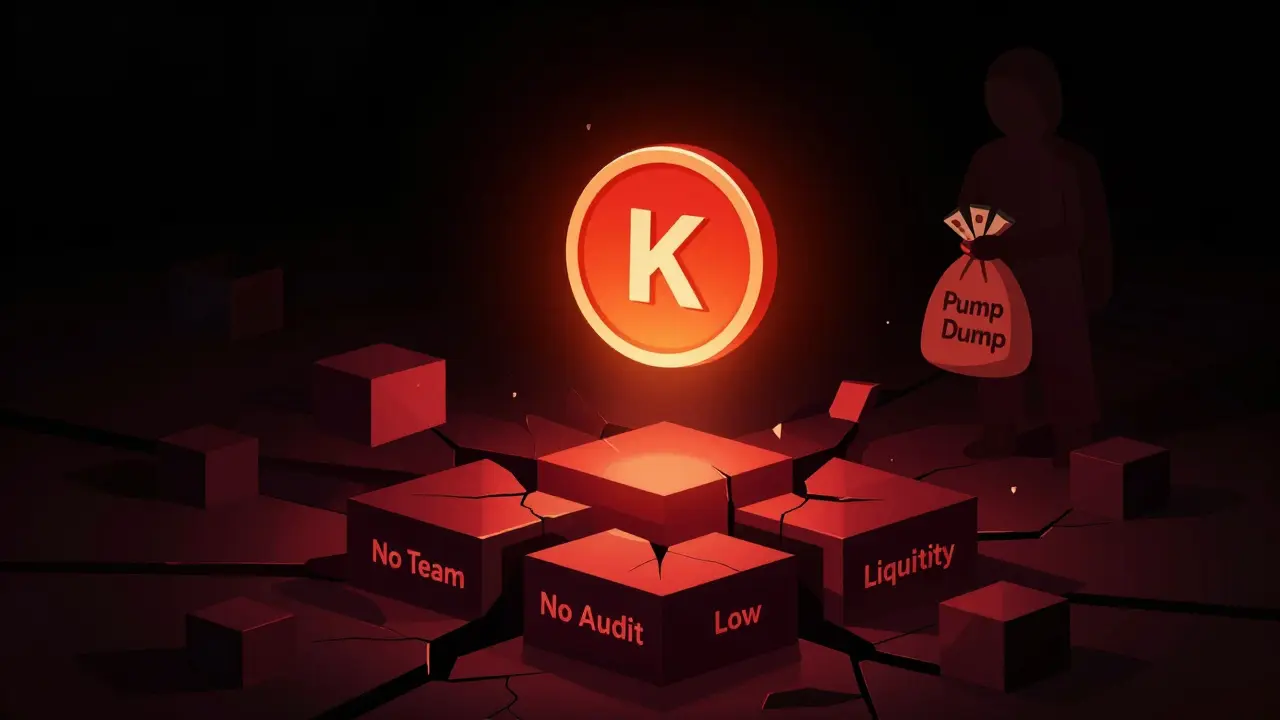
Kalata Protocol Crypto Review: Is KALA a Safe DeFi Investment or a High-Risk Scam?
Jan 30, 2026, Posted by Ronan Caverly
Kalata Protocol (KALA) is not a crypto exchange but a high-risk DeFi protocol with no team, no audits, and dangerously low liquidity. Learn why experts warn against it and what safer alternatives exist.
MORE
SafeMars (SMARS) Crypto Coin Explained: How It Works, Tokenomics & Risks
Oct 8, 2025, Posted by Ronan Caverly
Learn what SafeMars (SMARS) crypto coin is, how its 4% tax works, market performance, buying steps, risks, and future outlook in this detailed guide.
MORESEARCH HERE
Categories
TAGS
- decentralized exchange
- crypto exchange
- crypto exchange review
- crypto coin
- crypto airdrop
- cryptocurrency
- CoinMarketCap airdrop
- MiCA
- cryptocurrency trading
- smart contracts
- tokenomics
- DeFi
- cryptocurrency exchange safety
- crypto airdrop 2025
- cryptocurrency airdrop
- cryptocurrency exchange
- meme coin
- blockchain gaming
- crypto airdrop guide
- blockchain token distribution