
Bitcoin Mining in Iran: How It Works, Risks, and Real Stories
When you think of Bitcoin mining, the process of validating Bitcoin transactions using powerful computers to earn new coins. Also known as crypto mining, it’s usually linked to places with cheap electricity—like Kazakhstan or Texas. But in Iran, a country under heavy international sanctions and strict crypto controls, Bitcoin mining didn’t disappear—it went underground. Even after the government banned crypto mining in 2021, thousands of miners kept running rigs in basements, warehouses, and remote farms. Why? Because electricity there costs pennies—even less than in some parts of China.
How do they do it? Most use modified ASIC miners—devices like the Antminer S19—hooked up to local power grids. Some connect through VPNs, tools that hide their online activity from government monitors to access mining pools and exchanges like Nobitex. But it’s risky. Authorities have raided homes, seized equipment, and frozen bank accounts tied to crypto activity. Still, the profit is too high to ignore. One miner in Mashhad told me he cleared $3,000 a month after paying his electricity bill—$80 at most. That’s more than most teachers make.
It’s not just about profit. For many Iranians, Bitcoin mining is a way to bypass currency controls and protect savings from inflation. The rial lost over 400% of its value since 2018. Mining gives people access to a global asset they can’t be blocked from. Some even trade mined Bitcoin for stablecoins like USDT, then use P2P platforms to buy goods or send money abroad. It’s not legal. But it’s practical.
What’s left for outsiders to understand? This isn’t some fringe experiment. It’s a full-scale, decentralized response to economic pressure. The same tools that let traders in Nigeria and China stay active—VPNs, P2P exchanges, local power hacks—are now standard in Iran. And while the government keeps cracking down, the miners keep adapting. Newer rigs are quieter. More use solar panels. Some even hide in mosques or schools during inspections.
You’ll find stories here about how people bypass detection, what hardware still works in 2025, and why some mining operations survive while others vanish overnight. There’s also the truth about VPN risks—how exchanges like Nobitex track users, and what happens when you get caught. This isn’t theory. It’s real. And if you’re wondering if Bitcoin mining in Iran is still possible? The answer is yes. But only if you know how to move quietly.
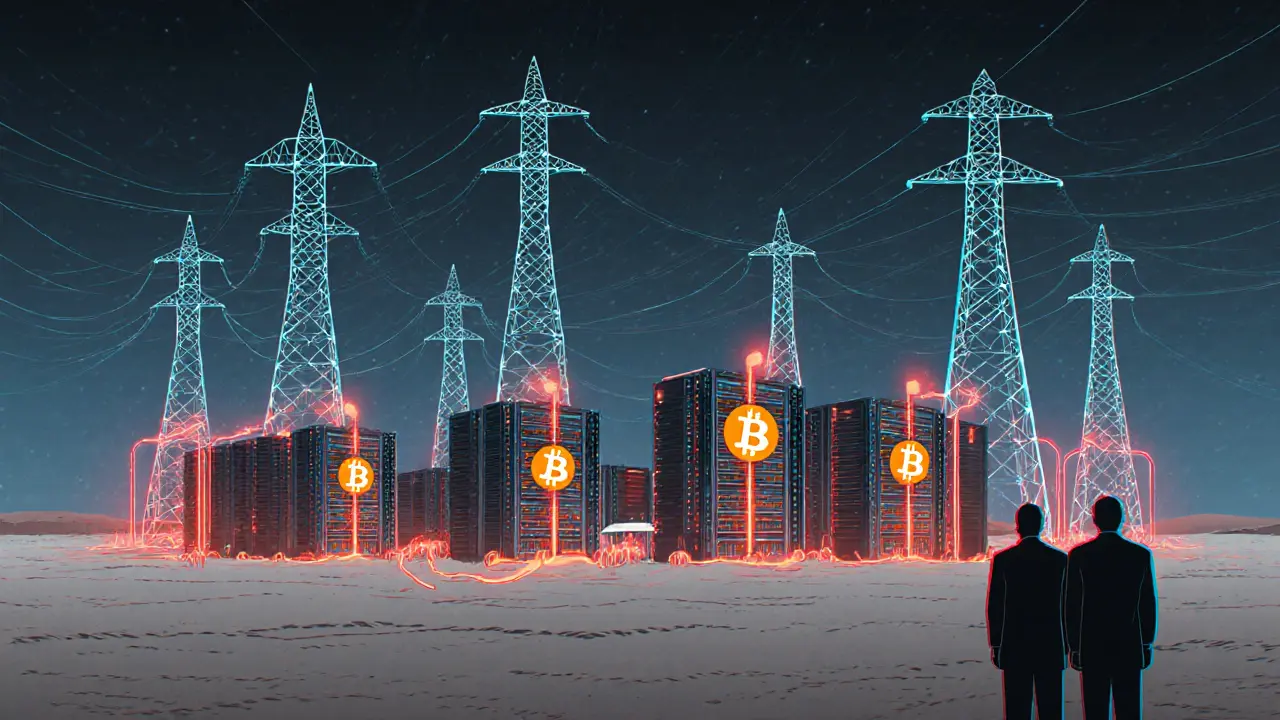
How Iran Uses Bitcoin to Import Goods Despite Sanctions
Nov 5, 2025, Posted by Ronan Caverly
Iran uses Bitcoin mining to bypass sanctions, turning cheap electricity into imported goods. State-controlled mining farms generate billions in crypto revenue, enabling trade with Russia and others despite global banking restrictions.
MORESEARCH HERE
Categories
TAGS
- decentralized exchange
- crypto exchange review
- crypto exchange
- cryptocurrency
- crypto coin
- crypto airdrop
- CoinMarketCap airdrop
- smart contracts
- MiCA
- cryptocurrency trading
- tokenomics
- DeFi
- cryptocurrency exchange safety
- crypto airdrop 2025
- cryptocurrency airdrop
- cryptocurrency exchange
- meme coin
- blockchain security
- blockchain gaming
- crypto airdrop guide