
Crypto Platform: What It Is and Why It Matters
When you hear the term crypto platform, a digital service that lets users buy, sell, store, or trade cryptocurrencies. Also known as digital asset platform, it bridges traditional finance and decentralized networks, giving everyday people access to Bitcoin, altcoins, and tokenized assets. A crypto platform isn’t just a website; it’s an ecosystem that combines user‑friendly interfaces, secure wallets, market data feeds, and compliance tools. Because the space moves fast, platforms must update APIs, add new tokens, and keep pace with regulatory shifts. In practice, the term covers everything from big‑name exchanges that list dozens of coins to niche peer‑to‑peer services that match local buyers and sellers. Understanding this umbrella concept helps you see why a news article about a Nigerian underground market or a China‑focused P2P guide both belong under the same roof.
Key Types of Crypto Platforms and Their Building Blocks
One common subclass is the crypto exchange, an online marketplace where users trade digital assets for fiat or other cryptocurrencies. Exchanges like Binance, 3XBIT, or Koinde provide order books, liquidity pools, and often advanced charting tools. Another important slice is the P2P platform, a decentralized network that matches buyers and sellers directly without an intermediary order book. In countries with strict bans, P2P services keep trading alive by letting users exchange cash for crypto on a person‑to‑person basis. A third piece of the puzzle is the regulatory sandbox, a controlled environment where innovators test blockchain projects under temporary regulatory relief. Sandboxes in the EU, Singapore, or the US give startups a chance to launch token sales or new DeFi services while regulators monitor risk. Together, these three entities illustrate how a crypto platform can be an exchange, a P2P marketplace, or a sandbox‑enabled experiment, each serving different user needs and risk tolerances.
Because every crypto platform operates at the intersection of technology and law, compliance becomes a core requirement. Operating a platform “requires regulatory compliance,” meaning you need to understand licensing, anti‑money‑laundering rules, and tax reporting in each jurisdiction you serve. In India, for example, the latest 2025 crypto tax framework forces exchanges to collect GST on every trade, while in Iran, VPN‑based trading raises detection risks that only a well‑designed compliance stack can mitigate. Knowing how licensing works – whether you need a US BitLicense, a European MiCA approval, or a Thai crypto exchange permit – can be the difference between a sustainable business and a shutdown. That’s why our curated collection below covers everything from underground markets in Nigeria, P2P risk in China, and licensing guides for the US and Thailand, to deep‑dive tokenomics of projects like Tagger (TAG) and Berrie Dex (BERRIE). Understanding the full landscape equips you to pick the right platform for your strategy, avoid costly legal pitfalls, and tap into emerging opportunities. Below you’ll find a hand‑picked set of articles that break down each piece in plain language, so you can move from curiosity to confident action on any crypto platform.
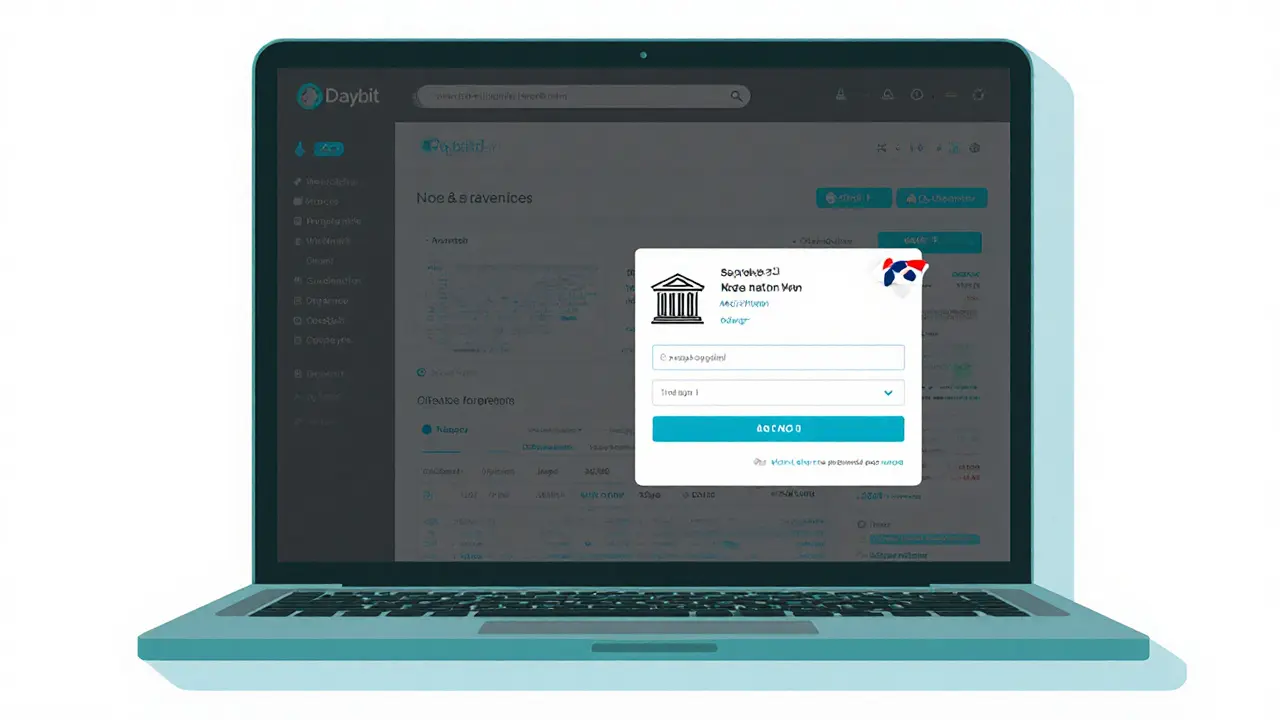
Daybit Exchange Review: What You Need to Know in 2025
Oct 24, 2025, Posted by Ronan Caverly
A detailed 2025 review of Daybit Exchange covering fees, KRW deposits, security, features, and how it stacks up against Binance, Bybit and KuCoin.
MORE
CashTelex Crypto Exchange Review 2025: Safety, Fees & Alternatives
Oct 19, 2025, Posted by Ronan Caverly
A detailed 2025 review of CashTelex crypto exchange, covering fees, security, regulatory status, user experience, and how it stacks up against major platforms.
MORESEARCH HERE
Categories
TAGS
- decentralized exchange
- crypto exchange
- crypto exchange review
- crypto coin
- crypto airdrop
- cryptocurrency
- CoinMarketCap airdrop
- MiCA
- cryptocurrency trading
- smart contracts
- tokenomics
- DeFi
- cryptocurrency exchange safety
- crypto airdrop 2025
- cryptocurrency airdrop
- cryptocurrency exchange
- meme coin
- blockchain gaming
- crypto airdrop guide
- blockchain token distribution