
Cryptocurrency Security: How to Protect Your Crypto from Scams, Hacks, and Fake Airdrops
When you hold cryptocurrency security, the practices and tools that keep your digital assets safe from theft, fraud, and exploitation. Also known as crypto safety, it’s not just about passwords—it’s about understanding who’s trying to take your money and how they do it. Most people lose crypto not because the blockchain broke, but because they clicked the wrong link, trusted a fake airdrop, or used an exchange with no audits.
Look at what’s in these posts: HaloDAO (RNBW), a token that never existed as a real project but fooled people with fake CoinMarketCap claims, or Forteswap, a crypto exchange with zero reviews, no security checks, and no proof it even operates. These aren’t edge cases—they’re the norm. Scammers copy real names, fake logos, and even create fake Twitter accounts that look like CoinMarketCap or Binance. And they’re not after your passwords—they want you to connect your wallet to a malicious site that drains it in seconds.
Airdrop fraud, fake token giveaways that trick users into signing approval transactions is one of the fastest-growing threats. People saw "free RNBW" or "claim your GMEE" and rushed in without checking if the project was real. The same thing happened with Caduceus CMP, a project that gave away tokens but never launched its platform. If it sounds too easy, it’s a trap. Real airdrops like Uniswap or Arbitrum don’t ask you to connect your wallet before you get anything. They track your past activity—no forms, no links, no gas fees to "claim."
Wallet security isn’t just about using a hardware device. It’s knowing when not to interact with a contract. If a site asks you to approve unlimited spending on your tokens, walk away. That’s how $30 million vanished from users who thought they were joining a new DeFi platform. The same people who lost money to Forteswap or EDRCoin thought they were investing—they were just giving away control.
And it’s not just about scams. Even legitimate platforms like Skydrome or KCCSwap can be risky if you don’t check their trading volume or if they’re listed on any major exchange. No volume? No liquidity? That’s not innovation—that’s a ghost. Your crypto security includes knowing which projects are alive and which are just data on a blockchain explorer.
What you’ll find here aren’t theory guides or generic tips. These are real cases—people who got burned, what they did wrong, and how you can avoid the same mistakes. You’ll see how Iran uses Bitcoin under sanctions, how Nigeria kept trading during a ban, and how a single click on a fake "GEO airdrop" turned $500 into $0. This isn’t about being paranoid. It’s about being informed. If you hold crypto, you’re a target. The question isn’t if someone will try to take it—it’s whether you’re ready when they do.
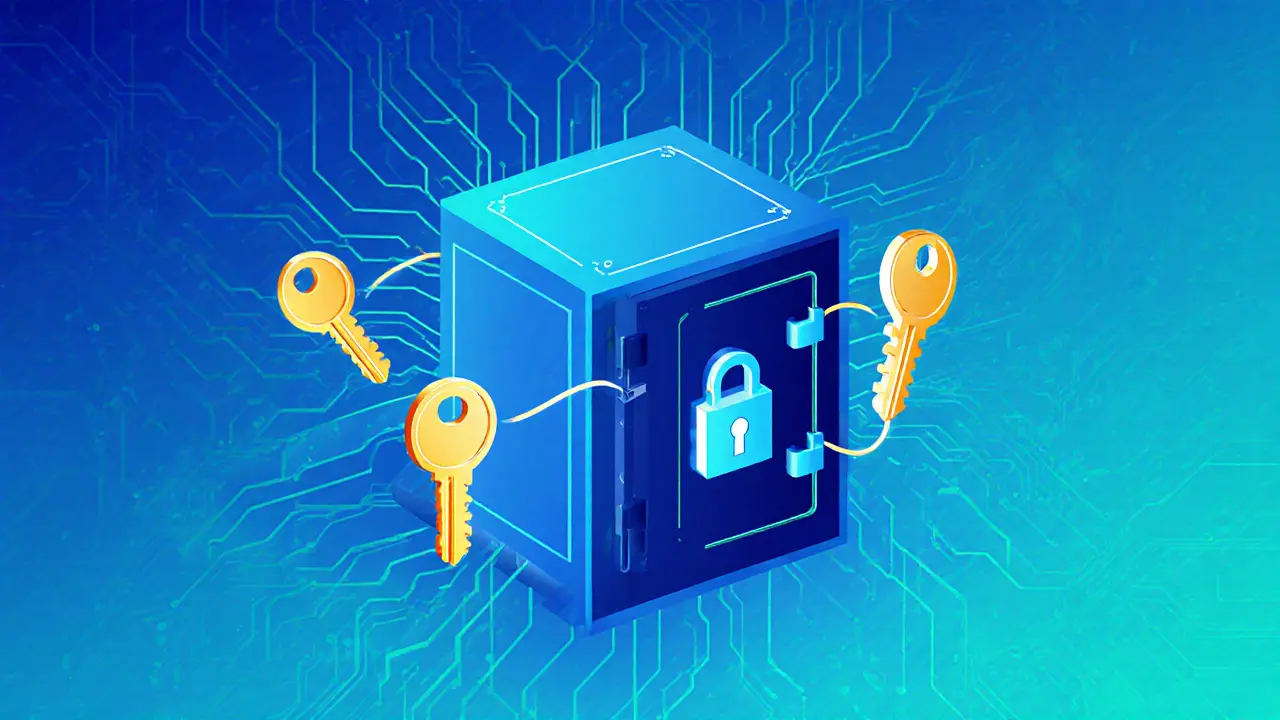
How MultiSig Wallets Enhance Security in Cryptocurrency Storage
Nov 9, 2025, Posted by Ronan Caverly
MultiSig wallets require multiple signatures to authorize transactions, making them far more secure than single-key wallets. They protect against theft, loss, and insider threats-essential for anyone holding significant cryptocurrency.
MORESEARCH HERE
Categories
TAGS
- decentralized exchange
- crypto exchange review
- crypto exchange
- cryptocurrency
- crypto coin
- crypto airdrop
- CoinMarketCap airdrop
- smart contracts
- MiCA
- cryptocurrency trading
- tokenomics
- DeFi
- cryptocurrency exchange safety
- crypto airdrop 2025
- cryptocurrency airdrop
- cryptocurrency exchange
- meme coin
- blockchain security
- blockchain gaming
- crypto airdrop guide