
Cryptocurrency Trade: How It Works, Where It’s Done, and What You Need to Know
When you hear cryptocurrency trade, the buying and selling of digital assets like Bitcoin, altcoins, or stablecoins on exchanges or peer-to-peer platforms. Also known as crypto trading, it’s not just about charts and wallets—it’s about where it’s legal, who’s doing it, and how people get around bans. People trade crypto because it moves fast, crosses borders, and sometimes pays off. But it’s not the same everywhere. In Nigeria, traders used P2P apps like Paxful when banks blocked them. In Iran, they used VPNs to reach international exchanges. In North Macedonia, they ignored the ban and kept trading through Telegram groups and foreign brokers.
Behind every trade is a system. You need a crypto exchange, a platform where buyers and sellers match orders, like Binance, KuCoin, or smaller ones like Daybit and CashTelex. Also known as crypto platform, these sites handle deposits, withdrawals, and security. But not all exchanges are safe. Some, like 3XBIT or CashTelex, are newer and less tested. Others, like Daybit, offer KRW deposits for Korean traders. Then there’s the underground side—P2P crypto, where people trade cash for Bitcoin directly. That’s how China and Russia keep trading after official bans. It’s riskier, but when banks won’t touch crypto, it’s the only way.
And then there’s the money itself. Stablecoins like USDC and Tether make trading less wild—they’re pegged to the dollar so you don’t lose half your portfolio in a day. But even those have risks. Some are backed by real cash. Others? No one knows. And then there are tokens like WLFI or CMP that promise big returns but vanish when the hype dies. Trading crypto isn’t just about timing the market. It’s about knowing which projects are real, which exchanges are trustworthy, and which countries are cracking down.
You’ll find posts here about airdrops that went nowhere, exchanges that vanished, and countries where trading is illegal but still thriving. You’ll see how small coins get crushed by 51% attacks, how privacy tools like Monero hide your trades, and why some people in Russia are using custom tokens to dodge sanctions. This isn’t theory. It’s what’s happening right now—in living rooms, on Telegram, and through encrypted apps. Whether you’re new or have been trading for years, the real lesson is this: cryptocurrency trade doesn’t care about rules. It follows the people who need it most.
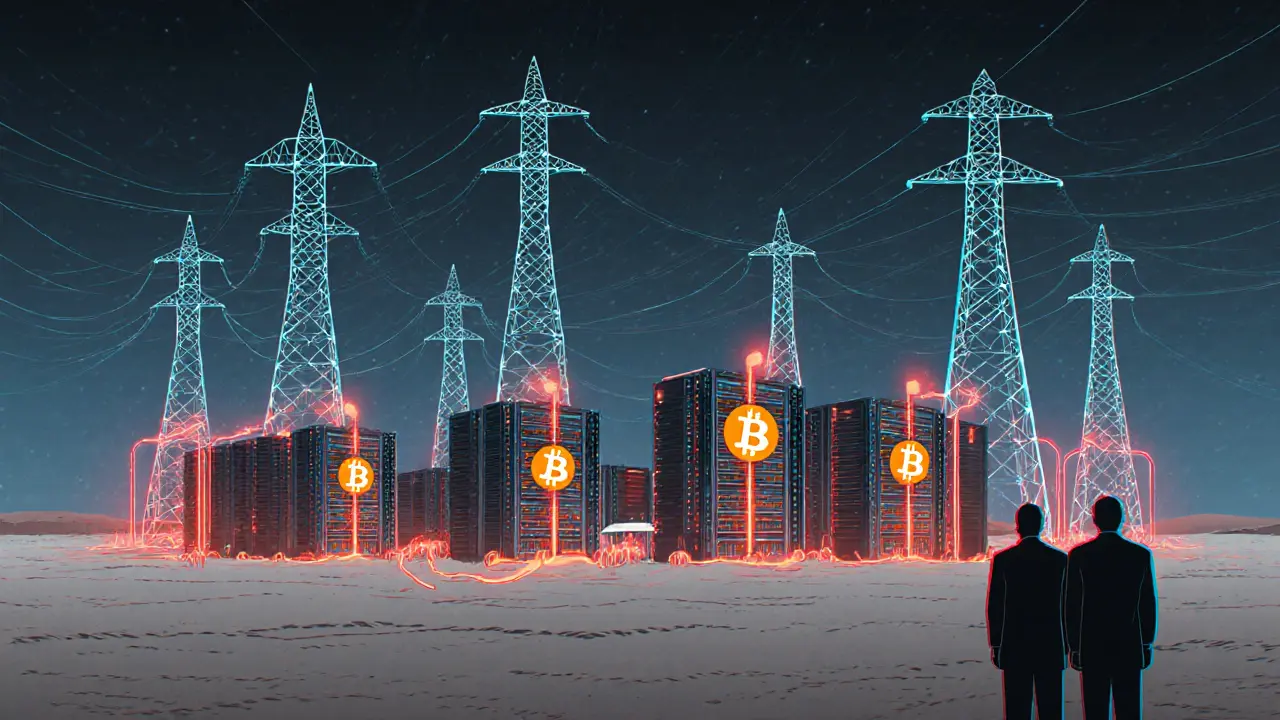
How Iran Uses Bitcoin to Import Goods Despite Sanctions
Nov 5, 2025, Posted by Ronan Caverly
Iran uses Bitcoin mining to bypass sanctions, turning cheap electricity into imported goods. State-controlled mining farms generate billions in crypto revenue, enabling trade with Russia and others despite global banking restrictions.
MORESEARCH HERE
Categories
TAGS
- decentralized exchange
- crypto exchange review
- crypto exchange
- cryptocurrency
- crypto coin
- crypto airdrop
- CoinMarketCap airdrop
- smart contracts
- MiCA
- cryptocurrency trading
- tokenomics
- DeFi
- cryptocurrency exchange safety
- crypto airdrop 2025
- cryptocurrency airdrop
- cryptocurrency exchange
- meme coin
- blockchain security
- blockchain gaming
- crypto airdrop guide