
Private Key Protection: How to Keep Your Crypto Safe from Scams and Hacks
When you own cryptocurrency, your private key, a secret code that gives you full control over your crypto assets. Also known as seed phrase, it's the only thing standing between your coins and thieves. Lose it, and you lose everything. Give it away, and someone else owns your money. No customer service, no password reset, no recovery option—just silence.
Most people think crypto security means using a strong password or two-factor authentication. That’s not enough. Wallet security, the practice of safeguarding access to digital assets through physical and digital controls starts and ends with your private key. If you store it on your phone, screenshot it, or type it into a website, you’re already compromised. Real protection means writing it down on paper, keeping it in a fireproof safe, and never sharing it—not even with "support" teams that claim to help you. Scammers know this. They run fake airdrops, phishing sites, and fake apps that ask you to "confirm" your key. Once you do, your funds vanish in seconds.
Cryptocurrency theft, the unauthorized access and removal of digital assets through stolen keys or social engineering is the number one reason people lose money in crypto. It’s not the market crashing. It’s not bad investments. It’s you accidentally giving away your key. That’s why every post in this collection focuses on real-world failures: fake airdrops that trick users into exposing their keys, dead tokens like EDRCoin and DEGA that lure people into unsafe platforms, and exchanges like Forteswap with no audits and no trust. These aren’t hypothetical risks. They’re daily events.
You don’t need fancy tools to stay safe. You need discipline. Never click links in DMs. Never enter your key on any website. Never trust a "free token" offer that asks for access. If a project is legit, it won’t ask for your private key—ever. The best wallets let you generate keys offline. The best users never store keys digitally. And the smartest people? They learn from others’ mistakes before they become victims.
In the posts below, you’ll find real cases of people who lost everything because they didn’t understand private key protection. You’ll see how HaloDAO and RUNE.GAME airdrops were used as bait. You’ll learn why KCCSwap and Skydrome aren’t the problem—the problem is users giving away their keys trying to join them. You’ll see how even well-known platforms like Uniswap can become dangerous if you’re not careful. This isn’t theory. It’s what happened. And it can happen to you—unless you act now.
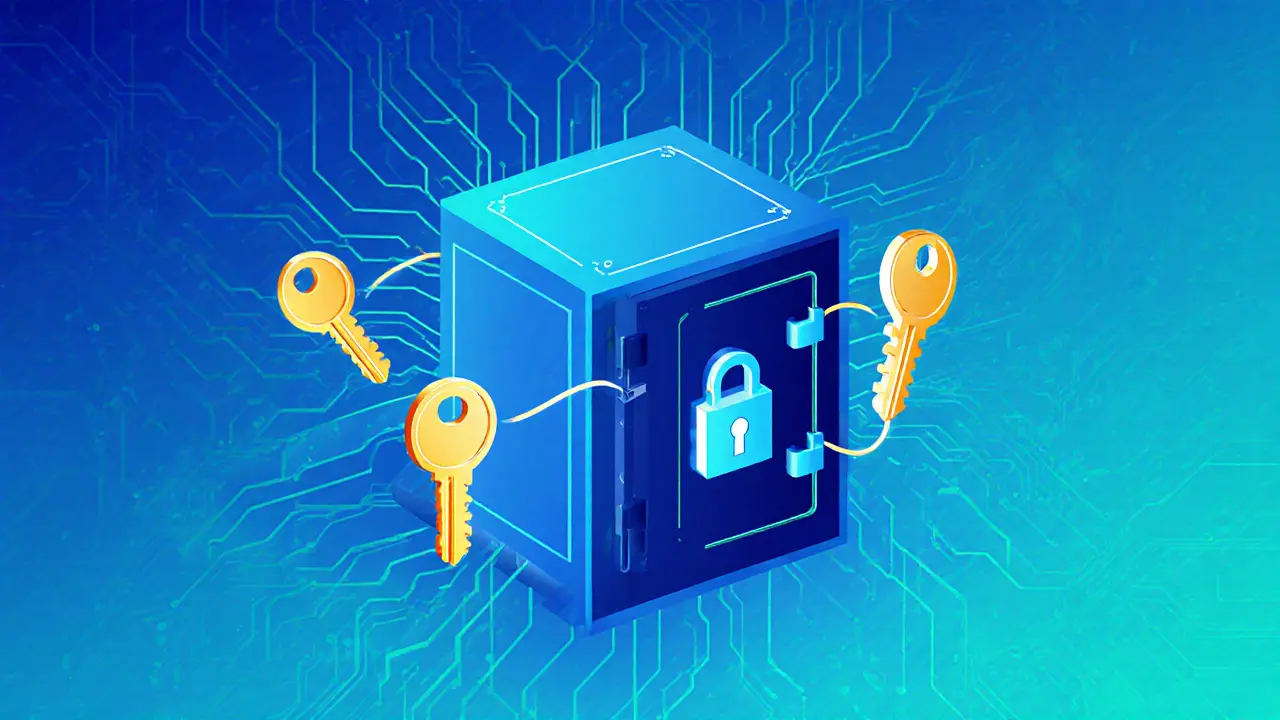
How MultiSig Wallets Enhance Security in Cryptocurrency Storage
Nov 9, 2025, Posted by Ronan Caverly
MultiSig wallets require multiple signatures to authorize transactions, making them far more secure than single-key wallets. They protect against theft, loss, and insider threats-essential for anyone holding significant cryptocurrency.
MORESEARCH HERE
Categories
TAGS
- decentralized exchange
- crypto exchange review
- crypto exchange
- cryptocurrency
- crypto coin
- crypto airdrop
- CoinMarketCap airdrop
- smart contracts
- MiCA
- cryptocurrency trading
- tokenomics
- DeFi
- cryptocurrency exchange safety
- crypto airdrop 2025
- cryptocurrency airdrop
- cryptocurrency exchange
- meme coin
- blockchain security
- blockchain gaming
- crypto airdrop guide