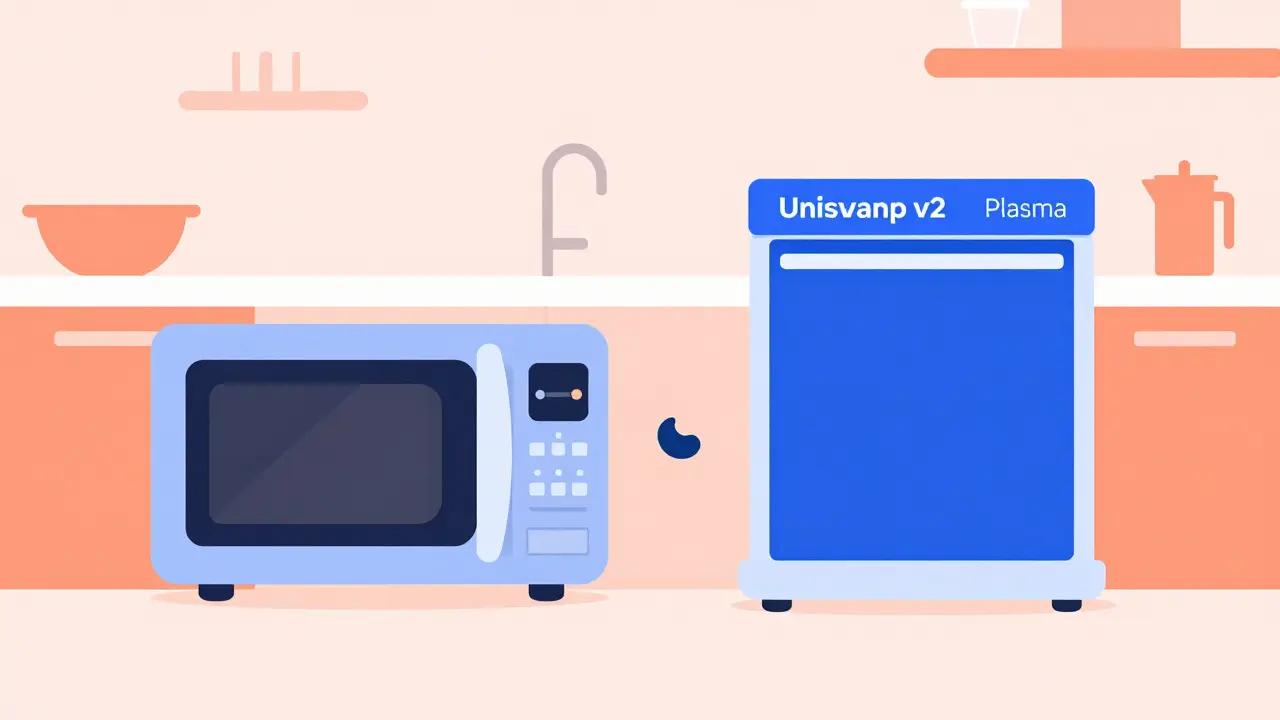
If you've been searching for a "Uniswap v2 Plasma exchange," you might have noticed something strange: the results don't quite add up. Here is the blunt truth-Uniswap v2 and Plasma is not a single platform. They are two completely different projects with zero technical connection. One is a legendary tool for swapping tokens, and the other is a specialized highway for stablecoins. Trying to use one as the other is like trying to use a microwave as a dishwasher; they both deal with "home appliances," but they do very different things.
To get the most out of your crypto journey, you need to know which one actually solves your specific problem. Are you trying to trade a niche altcoin for ETH? That's a Uniswap job. Are you trying to move USDT across the world for free? That's where Plasma comes in. Let's break down exactly what these two entities are so you can stop the confusion and start using the right tool.
What is Uniswap v2?
Uniswap v2 is
a decentralized exchange (DEX) protocol launched on the Ethereum blockchain in May 2020. Unlike a traditional exchange like Coinbase or Binance, it doesn't have an order book where buyers and sellers wait for a match. Instead, it uses an Automated Market Maker (AMM) model. In simple terms, it uses mathematical formulas to price assets based on the ratio of tokens in a liquidity pool.
The magic of Uniswap v2 is that it allows anyone to provide liquidity. If you have two tokens, say ETH and USDC, you can put them into a pool and earn a slice of the trading fees. For the trader, this means you can swap ERC-20 tokens instantly without needing a middleman to approve the trade. With over $1 trillion in cumulative trading volume, it's essentially the gold standard for non-custodial trading.
What is the Plasma Blockchain?
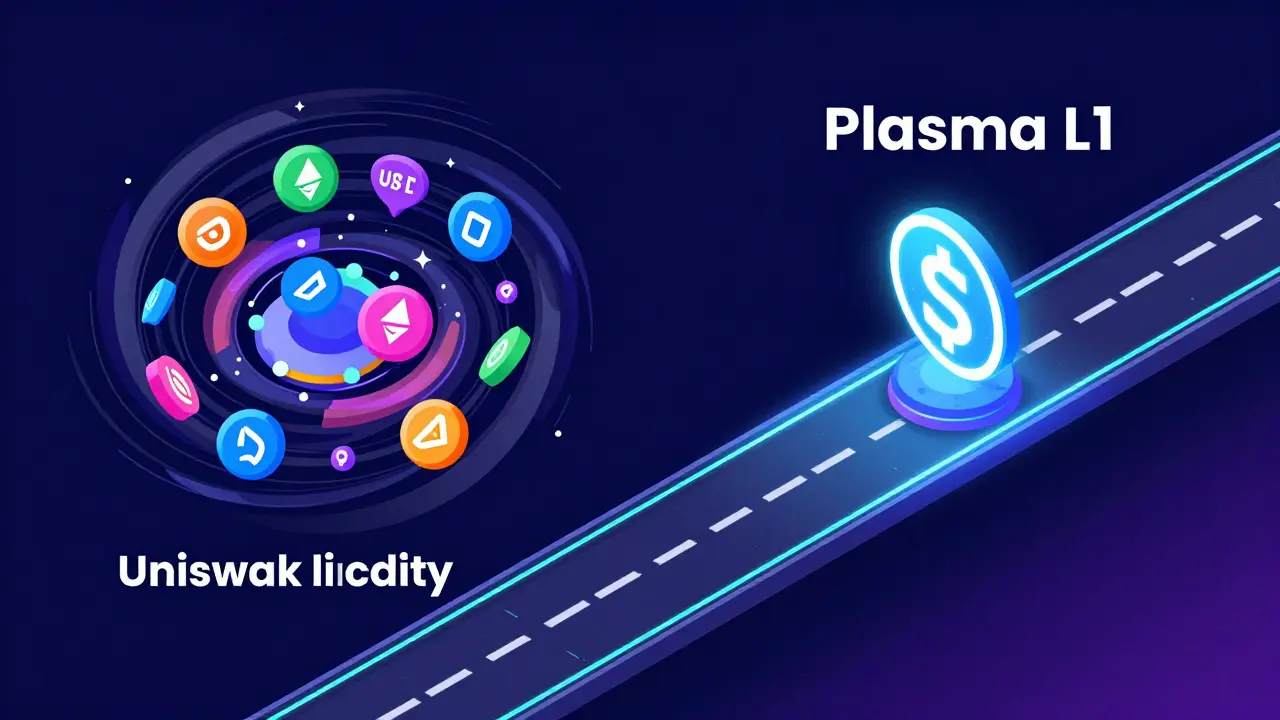
While Uniswap is a protocol that sits on top of other chains, Plasma (often associated with the XPL token) is a standalone Layer 1 blockchain specifically engineered for stablecoin operations. Launched in beta in September 2025, Plasma isn't trying to do everything. It stripped away the complex general-purpose features of Ethereum to focus on one thing: making stablecoin payments fast, cheap, and usable for the real world.
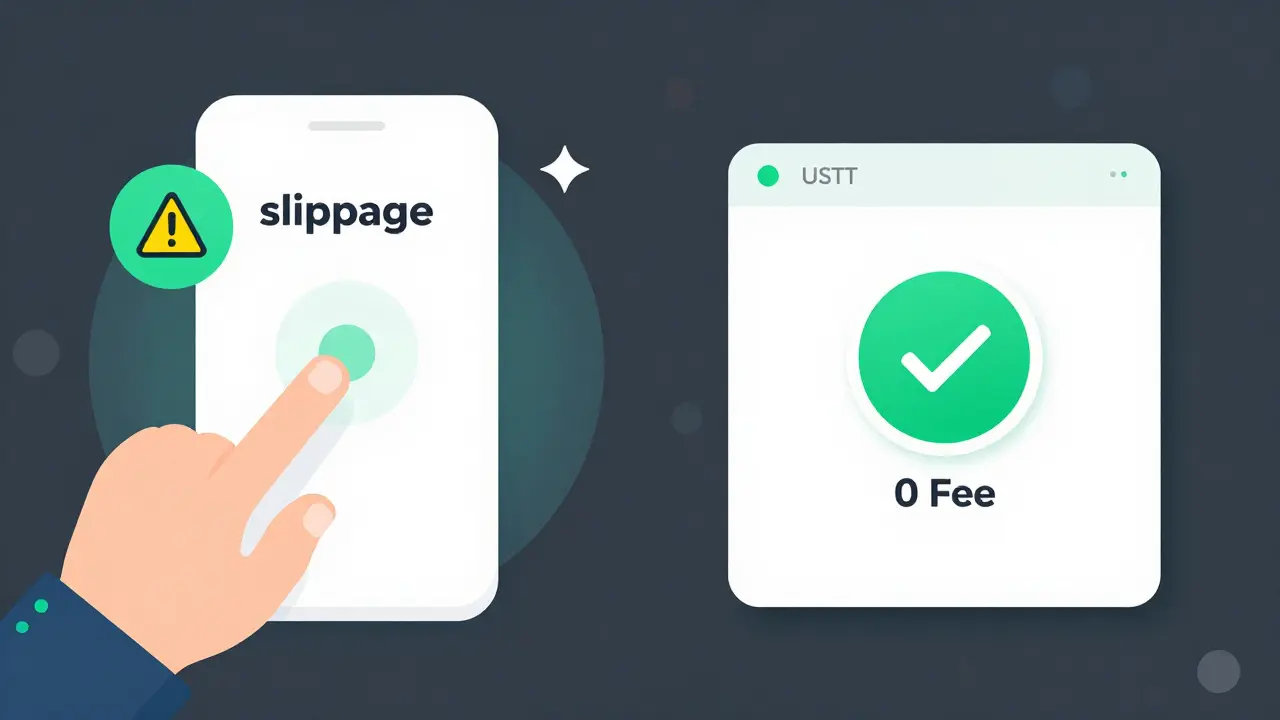
The core of its appeal is the zero-fee environment. While Ethereum users often groan at gas fees, Plasma allows for free USDT transfers through its dashboard. It also uses a consensus mechanism called PlasmaBFT and includes a native Bitcoin bridge called pBTC, which lets users move Bitcoin-pegged assets onto the network using the LayerZero OFT Standard. It's less of a "trading hub" and more of a "payment backbone."
Comparing the Two: Trading vs. Payments
Choosing between these depends entirely on your goal. If you want to speculate on the next big token, you want a DEX. If you want to run a business using digital dollars without losing money to fees, you want a payment-focused L1. Here is how they stack up in a direct comparison:
Uniswap v2 vs. Plasma Blockchain Comparison
Feature
Uniswap v2
Plasma (XPL)
Primary Purpose
Token Swapping (DEX)
Stablecoin Payments (L1)
Architecture
AMM Protocol
Layer 1 Blockchain
Core Asset Focus
Wide variety of ERC-20s
USDT and pBTC
Fee Structure
Network Gas + Pool Fee
Zero-fee USDT transfers
User Experience
Connect Wallet & Swap
Payment Dashboard/Wallet
The User Experience: Pros and Cons
Using Uniswap v2 is generally a breeze if you have a wallet like MetaMask. You hit "Connect," pick your tokens, and swap. However, the "Ethereum tax" is real. Many users have reported losing significant sums to slippage-the difference between the expected price of a trade and the price at which the trade actually executes. For example, some traders have reported losing over $100 on a $5,000 swap due to low liquidity in specific pairs.
Plasma offers a different vibe. Early testers have praised the speed, with USDT transfers completing in under 3 seconds. The downside? It's a newer ecosystem. Some users have experienced delays when minting pBTC, with the bridge process taking up to 15 minutes. While Uniswap is a mature forest with deep liquidity, Plasma is a newly paved highway-fast, but still under construction in some areas.
Risk and Rewards: What to Watch Out For
If you're holding the UNI token, your reward is tied to the overall growth of decentralized trading. Analysts suggest that a "fee switch"-where a portion of trading fees goes to token holders-could create structural scarcity and drive the price up. The risk here is primarily regulatory; the SEC has previously scrutinized whether these protocols fall under security laws.
With Plasma, the risk is market adoption. It's competing with giants like Tron and Solana, which already handle massive amounts of USDT volume. If Plasma can't capture at least 10% of that settlement volume, the XPL token might struggle to find its fair value. However, the reward is potentially huge: if it becomes the global backbone for digital payments due to its compliance features and zero fees, it could see self-reinforcing growth.
Practical Steps to Get Started
Depending on which one you actually need, your setup process will differ:
For Trading on Uniswap v2:
Install a compatible wallet like MetaMask or Coinbase Wallet.
Fund your wallet with Ethereum (ETH) to pay for gas fees.
Visit the Uniswap interface and connect your wallet.
Select the token you have and the token you want, then confirm the swap in your wallet.
For Payments on Plasma:
Set up a Plasma-compatible wallet.
Transfer USDT to the Plasma network to take advantage of zero-fee transfers.
If you need Bitcoin exposure, use the pBTC bridge to mint pegged assets.
Use the Plasma dashboard for one-click payment experiences.
Is Uniswap v2 part of the Plasma blockchain?
No. Uniswap v2 is a decentralized exchange protocol that primarily runs on Ethereum and other EVM-compatible chains. Plasma is a separate Layer 1 blockchain designed specifically for stablecoin payments. They are unrelated projects.
Which is better for sending money: Uniswap or Plasma?
Plasma is far superior for sending money, especially stablecoins like USDT, because it offers zero-fee transfers and near-instant settlement. Uniswap is for trading and exchanging one asset for another, not for sending payments.
What is the XPL token used for?
XPL is the native token of the Plasma blockchain. It is used to secure the network, pay for gas (though some transfers are free), and can be staked to earn rewards, though it carries slashing penalties for bad actors.
Can I use my MetaMask wallet on Plasma?
While Plasma has EVM compatibility, you generally need its specialized wallet infrastructure to access all its unique features, such as the zero-fee USDT dashboard and specific bridge functions.
What is slippage on Uniswap?
Slippage is the difference between the price you expect to pay for a token and the price at which the trade actually happens. This usually occurs in pools with low liquidity, where a large order moves the price significantly.
I'm a blockchain analyst and market strategist bridging crypto and equities. I research protocols, decode tokenomics, and track exchange flows to spot risk and opportunity. I invest privately and advise fintech teams on go-to-market and compliance-aware growth. I also publish weekly insights to help retail and funds navigate digital asset cycles.
Comments
Greg Reynolds
The analogy of the microwave and dishwasher is slightly imprecise, though the general sentiment holds. Most users fail to distinguish between a protocol and a base layer, which is an elementary mistake in the current crypto discourse.
April 23, 2026 AT 05:24
Sarah Fisher
It is fascinating how we categorize these tools into silos. While the technical divide is clear, the conceptual gap is where most people struggle to bridge their understanding of decentralization.
April 23, 2026 AT 19:52
jill huyo-a
This really helps clear things up for someone just getting started in the space.
April 24, 2026 AT 00:49
Mike Word
The pBTC bridge sounds interesting for diversifying holdings without leaving the ecosystem entirely.
April 24, 2026 AT 23:45
Gloris Young
Love how simple this breakdown is!
April 25, 2026 AT 02:44
Tara Aman
Keep these guides coming! It's so easy to get lost in the jargon when you're first diving in.
April 27, 2026 AT 02:20
Matthew Morse
who cares about the difference as long as the fees are low
April 28, 2026 AT 06:45
Candace Sherrard
There is something deeply poetic about the struggle between the mature, overgrown forest of Uniswap and the sterile, newly paved highway of Plasma, reflecting the broader evolution of digital finance where we move from the chaotic growth of early experimentation to the structured efficiency of specialized utility, though one wonders if we lose the spirit of the original cypherpunk dream in the pursuit of a zero-fee dashboard that mimics the very corporate banking systems we sought to replace in the first place, yet we continue to optimize for speed because the human psyche is inherently impatient with the friction of transition.
April 29, 2026 AT 11:15
Jennifer L
Oh my goodness!! I was so laost with the terminology before this!! Thank you so much for the clarifiction!
April 30, 2026 AT 16:52
Jagdish Sutar
Great explanation. For my friends in India who are just starting with crypto, these distinctions are vital to avoid mistakes.
April 30, 2026 AT 21:27
Alex Hunter
The slippage part is the most important takeaway here. People forget that liquidity isn't infinite and a bad trade can wipe out your gains before you even start.
May 1, 2026 AT 17:07
Alex Wan
I am utterly astonished by the lack of awareness regarding Layer 1 distinctions!! It is an absolute travesty that users conflate an AMM with a blockchain!!
May 1, 2026 AT 20:51
Gary Lingrel
everyone just wants a free lunch 🙄 zero fees always come with a catch usually centralization or bad security
May 2, 2026 AT 18:28
Jennifer Taylor
The pBTC bridge is probably just a way to track your coins better for the government. Don't trust any new bridge.
May 4, 2026 AT 16:52
Clair Geary
this is a super fancy way to say one is for gambling and one is for payments haha
May 5, 2026 AT 06:33
Sarah Ingrams
makes sense
May 7, 2026 AT 04:27
Caiaphas Konkol
Obviously, those who actually understand the underlying architecture know that L1s specializing in stablecoins are the only viable path forward, while the rest of you are just playing with toy protocols on Ethereum.
May 7, 2026 AT 23:05
Hannah Rubia
It is imperative to remember that while zero-fee transfers are advantageous, the security model of the PlasmaBFT consensus must be thoroughly audited before significant capital is committed.
May 8, 2026 AT 06:43
Mary Tawfall
This is such a positive way to learn. I love how it empowers users to make their own choices based on their needs.
May 8, 2026 AT 16:18
Mike Krasner
who cares if its a l1 or a dex just tell me if xpl is going to the moon or not
May 10, 2026 AT 01:22
Kathleen Bergin
Uniswap v2 is old. Everyone uses v3 now because of concentrated liquidity.
May 11, 2026 AT 06:11
Charlie Queen
Love the energy here! 🚀 Learning about pBTC today! 💎
May 13, 2026 AT 01:21
Benjamin Forg
zero fees is a lie they just hide the cost in the token price you sheep
May 13, 2026 AT 02:21
Sara Ellis
it is like a tool for a job
May 14, 2026 AT 03:25
Doc Coyle
Using a DEX for payments is just wrong and anyone doing it is wasting their time.



Author
Ronan Caverly
I'm a blockchain analyst and market strategist bridging crypto and equities. I research protocols, decode tokenomics, and track exchange flows to spot risk and opportunity. I invest privately and advise fintech teams on go-to-market and compliance-aware growth. I also publish weekly insights to help retail and funds navigate digital asset cycles.