

Running a crypto business in 2026 feels less like coding and more like being an investigator. You are not just building features; you are constantly answering the question: "Who is this person, where did their money come from, and are they allowed to be here?" With regulations like MiCA in Europe and strict FinCEN rules in the US tightening every year, manual checks are dead. If you try to track transactions on Excel, you will drown in false positives before your first audit.
This is where third-party compliance tools step in. These aren't just nice-to-have plugins; they are the backbone of modern crypto operations. They connect the pseudonymous world of blockchain with the real-world identities regulators demand. But the market is crowded. From enterprise giants like Elliptic to agile startups like Sumsub, choosing the right stack can make or break your operational costs and user experience. Here is how to navigate the landscape without getting lost in jargon.
The Three Pillars of Modern Crypto Compliance
Before you look at specific vendors, you need to understand what these tools actually do. Most effective platforms operate on three interconnected pillars. Think of them as a feedback loop rather than separate silos.
- Identity Verification (KYC): This answers "Who is this?" It involves document scanning, liveness detection, and database checks to confirm a user is who they say they are.
- AML & PEP Screening: This answers "Should we do business with them?" The tool scans names against sanctions lists, Politically Exposed Persons (PEP) databases, and adverse media. The key here is fuzzy matching-catching "Jon Smith" when the list says "John Smyth" without flagging every single John.
- Wallet & Transaction Monitoring: This answers "What are they doing?" Using blockchain analytics, the tool links a verified user to their on-chain activity. It flags interactions with high-risk entities like mixers, darknet markets, or sanctioned wallets.
A good system ties these together. If a transaction hits a high-risk wallet, it should trigger a re-KYC check. If a new sanction hits a user’s name, their withdrawal limits should drop automatically. When these systems talk to each other, you stop reacting to problems and start preventing them.
Enterprise Heavyweights vs. Agile Startups
The choice between big-name providers and newer entrants often comes down to volume and complexity. If you are processing millions of transactions daily and dealing with institutional clients, you likely need the depth of established players. For smaller exchanges or DeFi protocols, speed and integration ease matter more.
| Provider | Primary Strength | Best For | Key Feature |
|---|---|---|---|
| Elliptic | Forensic Depth | Banks & Large Exchanges | Cross-chain tracing & law enforcement grade tools |
| TRM Labs | Transparency | Compliance Teams needing clarity | Glass-box attribution showing confidence levels |
| Scorechain | Real-time KYT | Mid-market Fintechs | Smart contract analysis & entity clustering |
| Sumsub | User Experience | Startups & Retail Apps | Fast API integration & low false positives |
| Chainalysis | Data Breadth | Government & Investigations | Largest historical dataset & global coverage |
Elliptic has long been the go-to for institutions that need to prove to regulators they can trace funds through complex layers. Their platform is robust but can feel heavy if you are a small team. On the other end, Sumsub focuses on frictionless onboarding. If your biggest pain point is users dropping off during sign-up because verification takes too long, Sumsub’s approach to mobile-first KYC is hard to beat.
TRM Labs carves out a unique niche by focusing on transparency. Many competitors give you a risk score-a black box number saying "High Risk." TRM gives you the "why." It shows the fund flows and the confidence level behind each attribution. For compliance officers who have to defend decisions to auditors, seeing the actual path of funds is invaluable.
Understanding Blockchain Analytics and Attribution
The core technology driving these tools is blockchain analytics. It sounds simple: watch the ledger. In practice, it is messy. Bitcoin addresses don't have names. Ethereum smart contracts hide intent. How does a tool know that Address X belongs to Binance?
It uses heuristics and data partnerships. Tools analyze patterns-like multiple inputs coming from one address-to cluster wallets. They also ingest public data, exchange disclosures, and even social media clues. However, accuracy varies. Some providers offer "black box" scores where you trust the algorithm blindly. Others, like TRM, use "glass box" methods, allowing you to see the evidence chain.
Consider the issue of cross-chain movement. Users rarely stay on one network. They might bridge assets from Ethereum to Arbitrum, then swap on Uniswap, and finally withdraw to a cold wallet. Advanced tools now support multi-chain tracking, stitching these hops together. If your platform supports Layer 2s or altcoins, ensure your vendor doesn't just treat them as isolated silos. Scorechain, for instance, emphasizes entity clustering across networks, which helps prevent users from hiding risk by hopping chains.

Navigating Regulatory Frameworks: MiCA and FinCEN
You cannot pick a tool without looking at your regulatory map. As of 2026, the European Union's Markets in Crypto-Assets (MiCA) regulation is fully active. It demands rigorous reporting on stablecoin reserves, white paper disclosures, and ongoing AML monitoring. Your tool must generate reports that align with these specific EU standards.
In the US, FinCEN requirements remain strict regarding Money Services Businesses (MSBs). You need clear audit trails and suspicious activity report (SAR) capabilities. The best tools automate the creation of SAR drafts based on flagged transactions, saving your compliance team hours of manual writing.
Don't ignore local nuances. If you operate in New Zealand, Australia, or Singapore, local financial intelligence units have their own reporting thresholds and formats. Ask vendors specifically about their localization capabilities. Can they customize report templates? Do they update their sanction lists within hours of a UN or OFAC update? Latency matters. A stale list means missed risks.
The Hidden Cost: False Positives and Analyst Fatigue
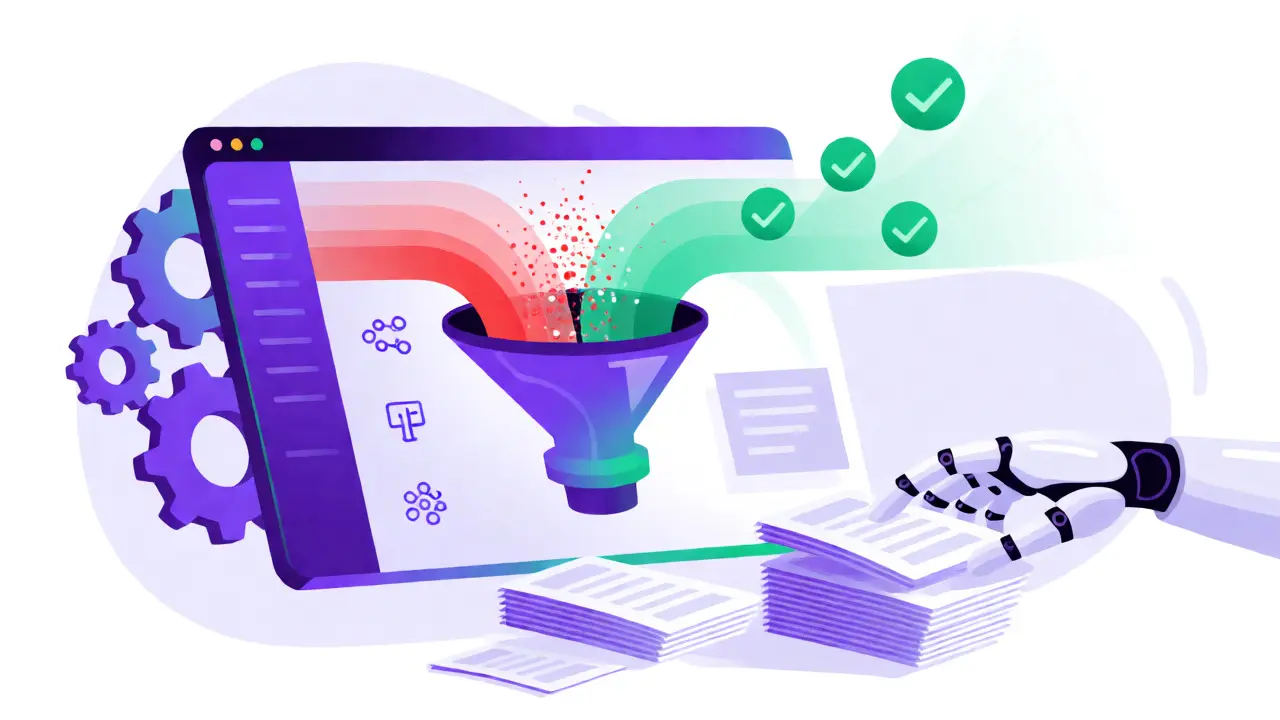
Here is the dirty secret of compliance tech: it generates noise. If you set your risk thresholds too low, you flood your team with alerts. If you set them too high, you miss real crimes. This balance is critical.
Look for tools with advanced fuzzy matching and machine learning models that learn from your past decisions. If your analysts consistently mark certain alerts as "false positive," the system should adjust. Some platforms, like SEON or ComplyCube, focus heavily on reducing this fatigue by integrating device fingerprinting and behavioral biometrics alongside traditional checks. This adds context: a user logging in from a known device with typical behavior is less risky than a new login from a VPN in a high-risk jurisdiction.
Also, consider the integration burden. Does the tool require a massive engineering sprint to implement? Or does it offer modular APIs? Scorechain, for example, pitches its flexible API architecture as a way to scale without rebuilding your entire backend. For a growing startup, time-to-market is a cost factor just like subscription fees.
Beyond Monitoring: Accounting and Tax Compliance
Compliance isn't just about stopping crime; it's about accurate books. Many businesses confuse security tools with accounting tools. While Chainalysis tracks risk, Bitwave or CoinLedger tracks tax liabilities. You often need both.
Blockchain accounting software automates the reconciliation of on-chain transactions with your general ledger. This is vital for tax season. If you accept crypto payments, you need to calculate capital gains per transaction. Manual entry is error-prone and expensive. Specialized tools like SoftLedger or Gilded provide audit-ready trails that link back to the original transaction hash. Ensure your compliance stack talks to your accounting stack. Data silos create reconciliation nightmares.
How to Choose: A Practical Checklist
When evaluating vendors, skip the sales fluff and ask these concrete questions:
- Coverage: Which blockchains do you support? Do you cover Layer 2s and emerging L1s?
- Latency: How fast do you update sanction lists after a government announcement?
- False Positive Rate: What is your average rate, and how do you tune it for my specific customer base?
- Integration: Do you offer pre-built connectors for my tech stack (e.g., AWS, Azure, specific payment gateways)?
- Support: Is support included, or is it an extra tier? Will I get a dedicated account manager?
- Pricing Model: Is it per-check, per-user, or flat fee? Beware of hidden costs for additional blockchains or high-volume tiers.
Test drive the interface. Log in and try to investigate a flagged transaction. Is it intuitive? Can you export the findings easily? If your compliance team hates using the tool, they will find workarounds, and those workarounds usually lead to gaps in coverage.
The Future: AI and Automated Defense
We are moving toward autonomous compliance. The next wave of tools uses AI not just to screen, but to predict. Imagine a system that notices a pattern of micro-transactions resembling a smurfing attack before it becomes a large withdrawal. Platforms are beginning to integrate these predictive models, shifting from reactive monitoring to proactive defense.
Moreover, privacy-preserving technologies like Zero-Knowledge Proofs (ZKPs) are starting to intersect with compliance. Future tools may allow users to prove they are over 18 or not on a sanctions list without revealing their full identity. Keep an eye on vendors investing in ZK-compliance solutions, as this could redefine user privacy expectations in regulated environments.
Choosing the right third-party compliance tool is not a one-time decision. It is an ongoing partnership with a vendor who understands the shifting sands of crypto regulation. Prioritize transparency, integration ease, and realistic support structures. Your goal is not just to pass an audit, but to build a trustworthy brand that customers and regulators respect.
Do I really need a third-party tool if I'm a small crypto startup?
Yes, especially if you handle fiat on-ramps. Regulators expect reasonable measures. DIY solutions often fail audits because they lack comprehensive sanctions screening and audit trails. Tools like Sumsub or ComplyCube offer affordable tiers for startups that cover basic KYC and AML needs without enterprise overhead.
What is the difference between KYC and KYT?
KYC (Know Your Customer) verifies identity at onboarding. KYT (Know Your Transaction) monitors ongoing behavior. KYC tells you who the user is; KYT tells you if their actions match their profile. You need both for full compliance. KYT catches risks that appear after the initial signup, such as sending funds to a newly sanctioned entity.
How do compliance tools handle privacy concerns?
Reputable tools comply with GDPR and local data protection laws. They typically store hashed data or keep personal information in secure, encrypted environments. Look for vendors that offer data residency options, allowing you to store data in specific jurisdictions (e.g., EU servers for EU customers) to meet local legal requirements.
Can these tools detect DeFi-specific risks?
Advanced tools like TRM Labs and Scorechain specialize in DeFi analytics. They can identify interactions with high-risk smart contracts, liquidity pools linked to illicit funds, or flash loan attacks. Basic KYC tools often miss these nuances, so ensure your provider explicitly supports DeFi protocol monitoring if you operate in that space.
What happens if a compliance tool misses a sanctioned wallet?
No system is perfect. Most vendors have liability clauses and SLAs (Service Level Agreements). If a miss occurs due to outdated data, you may be protected. However, you are still responsible for final decisions. Always maintain internal review processes for high-value transactions, regardless of the automated score.
Author
Ronan Caverly
I'm a blockchain analyst and market strategist bridging crypto and equities. I research protocols, decode tokenomics, and track exchange flows to spot risk and opportunity. I invest privately and advise fintech teams on go-to-market and compliance-aware growth. I also publish weekly insights to help retail and funds navigate digital asset cycles.