
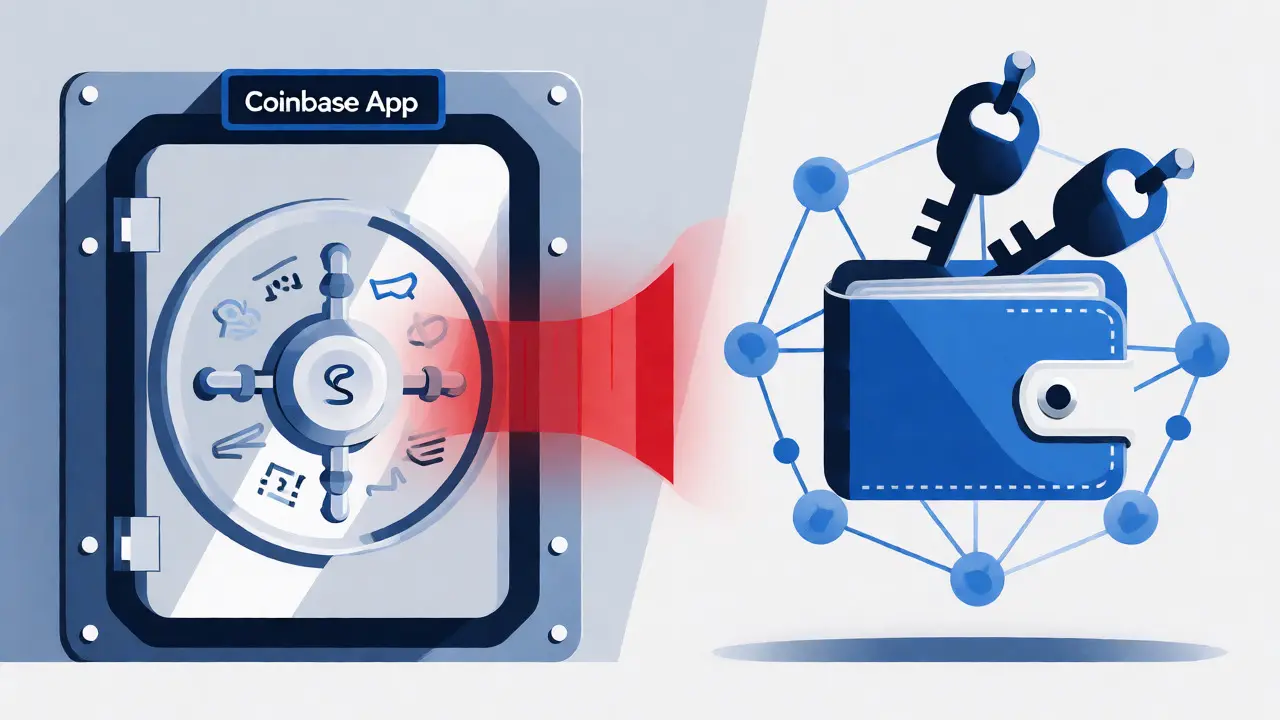
You downloaded Coinbase to buy some Bitcoin, entered your details, and got hit with a message saying services aren't available in your region. It’s frustrating, especially when you see friends in other countries trading freely. The reality is that Coinbase isn’t just an app; it’s a regulated financial institution bound by complex international laws. As of September 2026, access depends heavily on where you live, what specific service you want (the main App versus the Wallet), and how strict your local government is about crypto.
Most people assume if the app downloads, it works everywhere. That’s wrong. Coinbase splits its offerings into two distinct products: the Coinbase App, which handles fiat currency (like USD or EUR) exchanges, and Coinbase Wallet, a self-custody tool for storing tokens. The restrictions apply differently to each. Understanding this distinction saves you from wasted time trying to link a bank account that simply won’t connect.
The Two Faces of Coinbase Access
Think of Coinbase as having a gatekeeper for money and a different one for code. The main Coinbase App requires you to be a resident of a supported jurisdiction because it touches traditional banking rails. You need to send dollars, euros, or pounds to buy crypto. This triggers Know Your Customer (KYC) checks and anti-money laundering rules. If your country doesn’t have a regulatory framework Coinbase can work with, or if it’s under sanctions, the App blocks you entirely.
Coinbase Wallet is different. It’s non-custodial, meaning you hold the keys. Because it interacts directly with blockchain networks like Ethereum rather than banks, it’s accessible in more places. However, even the Wallet has limits. It operates globally except in regions sanctioned by the US Treasury Department’s Office of Foreign Assets Control (OFAC). So, while you might download the Wallet in a restricted country, you often can’t use the built-in features to buy crypto with a card. You’d need to transfer crypto from elsewhere, which defeats the purpose for many beginners.
| Feature | Coinbase App | Coinbase Wallet |
|---|---|---|
| Fiat On-Ramp | Available in ~48 countries | Limited/Unavailable in most restricted zones |
| Self-Custody | No (Custodial) | Yes (You hold keys) |
| Regulatory Basis | Local Financial Licenses + OFAC | OFAC Sanctions Only |
| Primary Use Case | Buying/Selling with Bank/Card | Storing Tokens, DeFi Interaction |
Why Countries Get Blocked: OFAC and Local Laws
The biggest driver of restrictions is the US. Since Coinbase is headquartered in the United States and publicly traded on NASDAQ, it must comply with US foreign policy. This means following OFAC sanctions lists strictly. Countries like Russia, Iran, North Korea, and Syria are hard blocks. No amount of VPN trickery usually helps here because Coinbase verifies identity through government-issued IDs, not just IP addresses.
Beyond sanctions, local regulations play a huge role. In Europe, the Markets in Crypto-Assets (MiCA) regulation came into full force recently. Coinbase had to adjust its structure, moving European users to a Luxembourg-based entity to ensure compliance. This change didn’t block anyone, but it changed how taxes and reporting work for EU residents. Conversely, countries that banned crypto outright, such as Nigeria or Egypt, saw Coinbase pull out of fiat services. Even if the tech works, the legal risk of holding deposits in those jurisdictions becomes too high for a public company.
Some restrictions are subtler. Take India, for example. Coinbase attempted to enter the market but faced hurdles with the Reserve Bank of India regarding registration and tax reporting. While the Wallet might function, the seamless experience of linking a local UPI payment method or bank transfer often lags behind competitors who partnered locally earlier. Similarly, in the Philippines, despite high crypto adoption, Coinbase restricts the App, forcing users toward local exchanges like PDAX that offer better integration with local banks, albeit at higher fees.
Regional Breakdown: Where Can You Actually Trade?
If you’re in the US, UK, Germany, France, or Singapore, you’re in the sweet spot. These regions have clear regulatory frameworks, and Coinbase offers full services including ACH transfers, SEPA payments, and instant card buys. Limits are high-up to $50,000 daily for verified accounts-and support is robust. Users in these areas rarely face unexpected blocks unless their ID verification fails.
Things get complicated in emerging markets. In Latin America, Brazil generally supports Coinbase, but neighbors like Colombia or Argentina may have limited fiat options due to capital controls or evolving regulations. Users there often report using Coinbase Wallet to store assets after buying them on local P2P platforms. In Southeast Asia, Singapore is fully supported, but Indonesia and Vietnam have partial access. You might be able to trade, but withdrawing to a local bank could involve third-party processors with extra fees.
Middle East access is mixed. The UAE allows limited access via Apple Pay but blocks direct bank transfers for some user segments. This inconsistency confuses many traders. They see the app working, try to deposit via wire, and fail. Always check the specific payment methods listed for your country before funding your account. Don’t assume because your neighbor in Dubai can do it, you can in Abu Dhabi if the regulatory sandbox differs slightly.
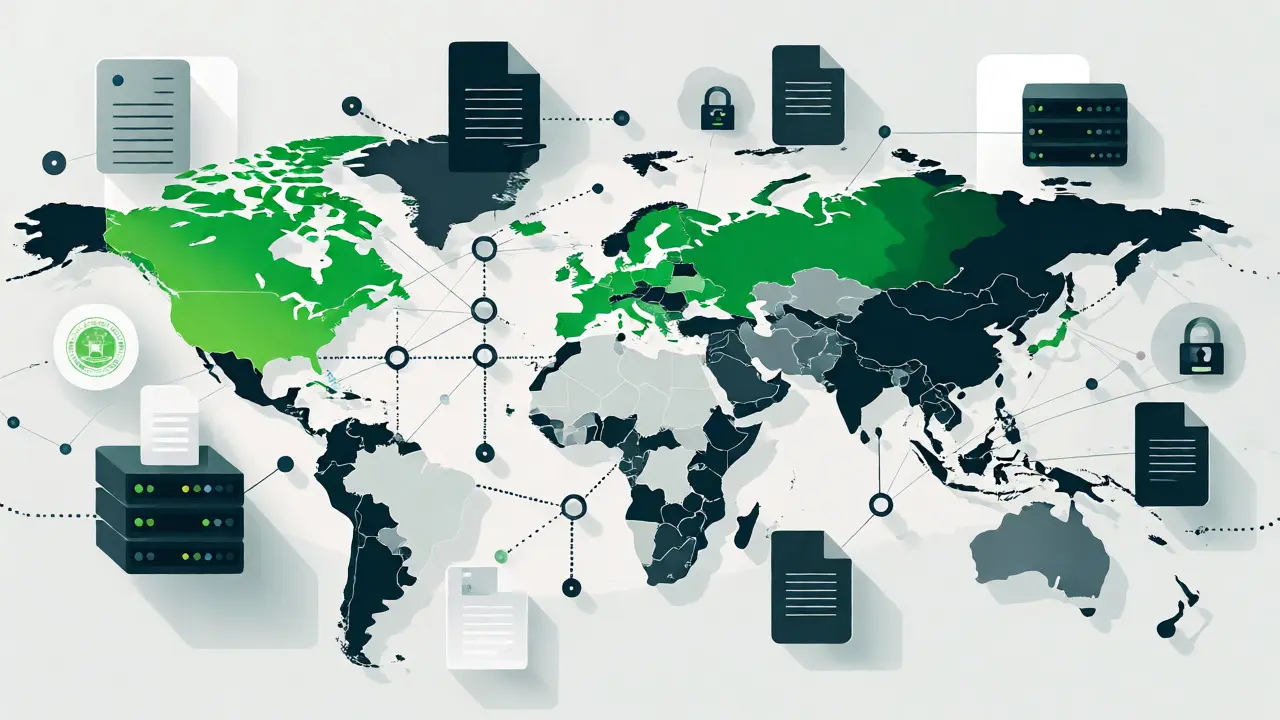
The VPN Trap and Account Termination Risks
A common question: "Can I use a VPN to bypass restrictions?" The short answer is no, not safely. Coinbase uses sophisticated fraud detection. If your IP address says you’re in the US, but your GPS data, device language, or billing address points to a restricted country, flags go up. Worse, if you successfully onboard using a VPN but later travel back to your home country, Coinbase might detect the location mismatch and freeze your funds pending review.
Real-world examples show the stakes. One user in the UAE lost access to $2,300 after using a VPN to simulate a US location. When they tried to withdraw, the system flagged the discrepancy between their login history and physical location. Recovery took weeks, and they incurred fees. Another case involved a Pakistani user who used Binance P2P to buy crypto, then transferred it to Coinbase Wallet. This worked because the Wallet doesn’t care about the source of funds as long as the chain confirms it. But trying to deposit fiat directly into the App would have failed immediately.
Using a VPN also violates Coinbase’s Terms of Service. If caught, they can terminate your account without warning. Unlike a bank, where closing an account takes months, a crypto exchange can lock your balance instantly. For small amounts, it’s an inconvenience. For larger sums, it’s a nightmare waiting to happen.
Alternatives When Coinbase Says No
If Coinbase blocks your region, don’t panic. There are alternatives, though each has trade-offs. Kraken operates in more countries (190+) and sometimes offers fiat services where Coinbase doesn’t. Their interface is clunkier, but their global footprint is wider. Binance is another option, particularly strong in Asia and Latin America. It supports more currencies and payment methods but faces its own regulatory battles, notably in Canada and parts of Europe.
For pure storage and DeFi interaction, MetaMask remains king. It’s browser-based and mobile-friendly, working in virtually every country with internet access. The catch? No fiat on-ramp. You need to buy crypto elsewhere and send it to your MetaMask address. This adds steps and network fees but grants total freedom from geographic banking restrictions.
Local exchanges are often the best bet for fiat conversion. In the Philippines, PDAX integrates with GCash. In India, WazirX or CoinDCN handle INR deposits smoothly. Yes, fees might be higher-sometimes 3.5% versus Coinbase’s 0.5%-but reliability matters more when you’re trying to cash out rent money. Check Trustpilot reviews for local exchanges in your country; user feedback often reveals hidden withdrawal delays or poor support that official sites hide.
How to Verify Your Eligibility Before Signing Up
Don’t guess. Check before you commit. First, visit Coinbase’s Help Center and look for the "Country Restrictions" FAQ. It’s updated regularly, though sometimes slower than news cycles. Second, try creating an account with a temporary email. Go through the KYC process. If you reach the step where you link a payment method and see your local bank listed, you’re good. If the list is empty or only shows credit cards, your fiat options are limited.
Also, consider the asset-specific restrictions. Some coins aren’t available everywhere. For instance, staking Cardano (ADA) was previously unavailable in certain EU countries due to MiCA transitional rules. While this is improving, always verify if the specific token you want to stake or trade is supported in your jurisdiction. Just because you can buy Bitcoin doesn’t mean you can participate in every feature of the platform.
Why is Coinbase not available in my country?
Coinbase restricts access based on US OFAC sanctions and local regulatory requirements. If your country bans crypto, lacks clear licensing frameworks, or is under heavy sanctions, Coinbase likely blocks fiat services to avoid legal penalties.
Can I use Coinbase Wallet if the App is blocked?
Yes, Coinbase Wallet is generally available in more regions than the App because it is non-custodial. However, you cannot use it to buy crypto with a local bank account or debit card in restricted zones. You must transfer existing crypto into it.
Does using a VPN fix geographic restrictions?
No. Coinbase verifies identity through government IDs and proof of address, not just IP addresses. Using a VPN can lead to account freezes or termination for violating Terms of Service, especially if location data mismatches occur.
Which countries have full Coinbase access?
Full access includes the US, UK, Germany, France, Spain, Italy, Netherlands, Australia, Canada, Japan, South Korea, and Singapore. These regions have established regulatory partnerships allowing seamless fiat deposits and withdrawals.
What happens to my funds if my country gets restricted later?
If a new restriction applies, Coinbase typically allows a grace period to withdraw funds. You can usually sell crypto for stablecoins and transfer them out, or withdraw remaining fiat balances. Complete closure of accounts varies by severity of the regulatory action.
Next Steps for Restricted Users
If you’re stuck outside the supported list, start with Coinbase Wallet. Download it, secure your seed phrase offline, and treat it as a digital vault. Buy crypto on a local compliant exchange or P2P marketplace, then send it to your Wallet address. This gives you exposure to the market without fighting Coinbase’s banking restrictions.
Keep an eye on regulatory news in your country. Changes in law can open doors quickly. For example, recent MiCA updates expanded clarity in Europe, potentially unlocking more features for borderline cases. Meanwhile, maintain records of all transactions. If you eventually gain access or move to a supported country, having clean transaction history speeds up KYC approval.
Finally, diversify your custody strategy. Don’t keep all eggs in one basket. Use hardware wallets for long-term holds and reputable local exchanges for active trading. Geographic restrictions are a fact of life in crypto today, but they don’t mean you’re excluded from the revolution. You just have to navigate the map carefully.
Author
Ronan Caverly
I'm a blockchain analyst and market strategist bridging crypto and equities. I research protocols, decode tokenomics, and track exchange flows to spot risk and opportunity. I invest privately and advise fintech teams on go-to-market and compliance-aware growth. I also publish weekly insights to help retail and funds navigate digital asset cycles.