

Picture this: You run a digital wallet app in Mexico City. Your users love the speed. But every time you try to add Bitcoin trading features, you hit a wall. Not because the technology doesn't work, but because the rules are... complicated. In fact, they’re confusing on purpose.
Mexico sits in a unique spot. It was the first country in Latin America to pass a dedicated Fintech Law (Ley Fintech) back in 2018. That sounds like progress, right? It is. But when it comes to cryptocurrency, the picture gets blurry. As of May 2026, individual Mexicans can buy and hold crypto just fine. But if you want your business to touch it, you need to navigate a maze of restrictions that many find steeper than expected.
The Core Problem: Legal Gray Areas for Virtual Assets
Here’s the thing most people miss: Mexico hasn’t banned crypto. It has just made it very hard for financial institutions to handle it directly without jumping through hoops. The National Banking and Securities Commission (CNBV) and the Bank of Mexico (Banxico) oversee the fintech sector. They watch crowdfunding platforms and electronic payment funds closely. But virtual assets? They fall into a regulatory gap.
This isn’t an accident. It’s a risk management strategy. Authorities want to prevent money laundering and protect consumers from volatile assets. The result? A system where you can own Bitcoin, but your bank might refuse to process payments related to it unless strict conditions are met. For startups, this creates a "compliance tax" that feels heavier than the actual fees.
Who Watches the Watchers? Key Regulatory Bodies
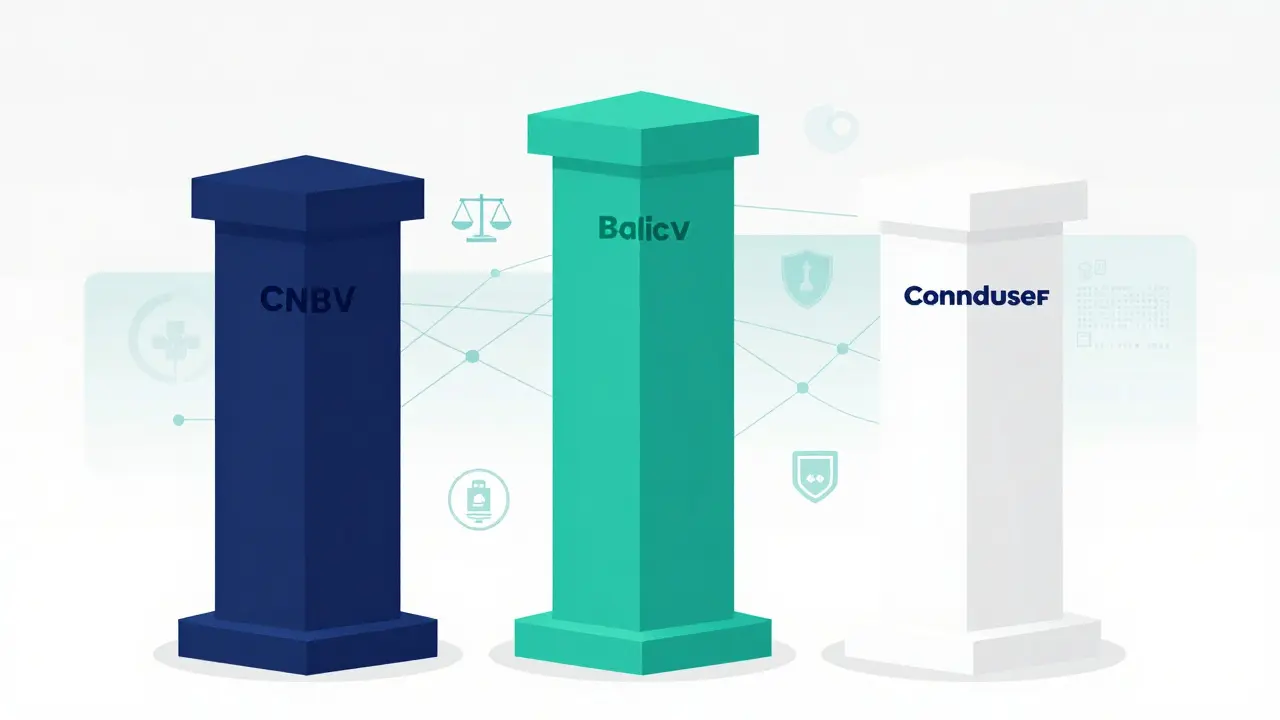
To understand the rules, you need to know who enforces them. Three main players control the game:
- CNBV (Comisión Nacional Bancaria y de Valores): This is the primary regulator for fintechs. They issue licenses and monitor systemic risk. If you’re launching a digital lending platform or a crowdfunding site, CNBV is your boss.
- Banxico (Banco de México): The central bank focuses on monetary policy and payment systems. Banxico sets the technical standards for how money moves electronically. Their rules on foreign currency and virtual asset transactions are non-negotiable.
- CONDUSEF: The National Commission for the Protection and Defense of Financial Service Users handles consumer complaints. If your app crashes and loses user data, CONDUSEF steps in. They enforce transparency rules that often surprise new entrants.
These bodies don’t always speak with one voice. Sometimes their requirements overlap or contradict. For example, CNBV might approve a business model, while Banxico restricts the underlying payment rails. Navigating this requires legal expertise, not just tech skills.
The Compliance Checklist: What You Must Do
If you’re operating in Mexico’s fintech space, especially near the crypto edge, here’s what the law demands. These aren’t suggestions; they’re mandatory checks.
- Appoint Key Officers: You must hire a dedicated Compliance Officer and a Chief Information Security Officer (CISO). These aren’t part-time roles. They need specific certifications and experience. For small startups, these two salaries alone can eat up 30% of early operational budgets.
- KYC and Due Diligence: Know Your Customer (KYC) rules are strict. You need to verify identities using official government documents. For higher-risk clients, like Politically Exposed Persons (PEPs), Enhanced Due Diligence (EDD) is required. This means digging deeper into their source of funds.
- Data Localization and Backups: If you use cloud services hosted outside Mexico, you must have backup systems within the country. Banxico wants to ensure data sovereignty. This means paying for redundant infrastructure, which adds cost.
- Transaction Monitoring: You must report suspicious activities to the Financial Intelligence Unit (FIU). There are specific thresholds for cross-border transactions. Cash usage is heavily restricted. Every transaction must be traceable.
- Record Keeping: Keep all customer ID records, due diligence files, and transaction logs for at least five years. This isn’t just good practice; it’s a legal requirement for audits.
Cryptocurrency: The Specific Restrictions
Let’s get real about crypto. While individuals can trade freely on exchanges, businesses face a different reality. The 2018 Fintech Law does not explicitly define cryptocurrencies as legal tender. Instead, it treats them as high-risk assets.
Financial institutions, including banks and traditional fintechs, are largely discouraged from holding crypto balances directly. Why? Because Banxico views them as unstable. If you’re a payment processor, you can facilitate transfers, but you cannot act as a custodian for virtual assets without special authorization that is rarely granted.
This creates a "two-tier" system:
| User Type | Can Hold Crypto? | Can Trade via Banks? | Regulatory Risk |
|---|---|---|---|
| Individuals | Yes | Limited (Direct transfers often blocked) | Low (Personal liability) |
| Fintech Companies | Restricted | No (Unless licensed exchange) | High (AML/FIU scrutiny) |
| Traditional Banks | No | No | Critical (Banxico penalties) |
The key takeaway? If your business model relies on integrating crypto directly into mainstream banking rails, you’ll face significant friction. Most successful Mexican fintechs work around this by partnering with specialized, licensed crypto exchanges rather than building the custody layer themselves.
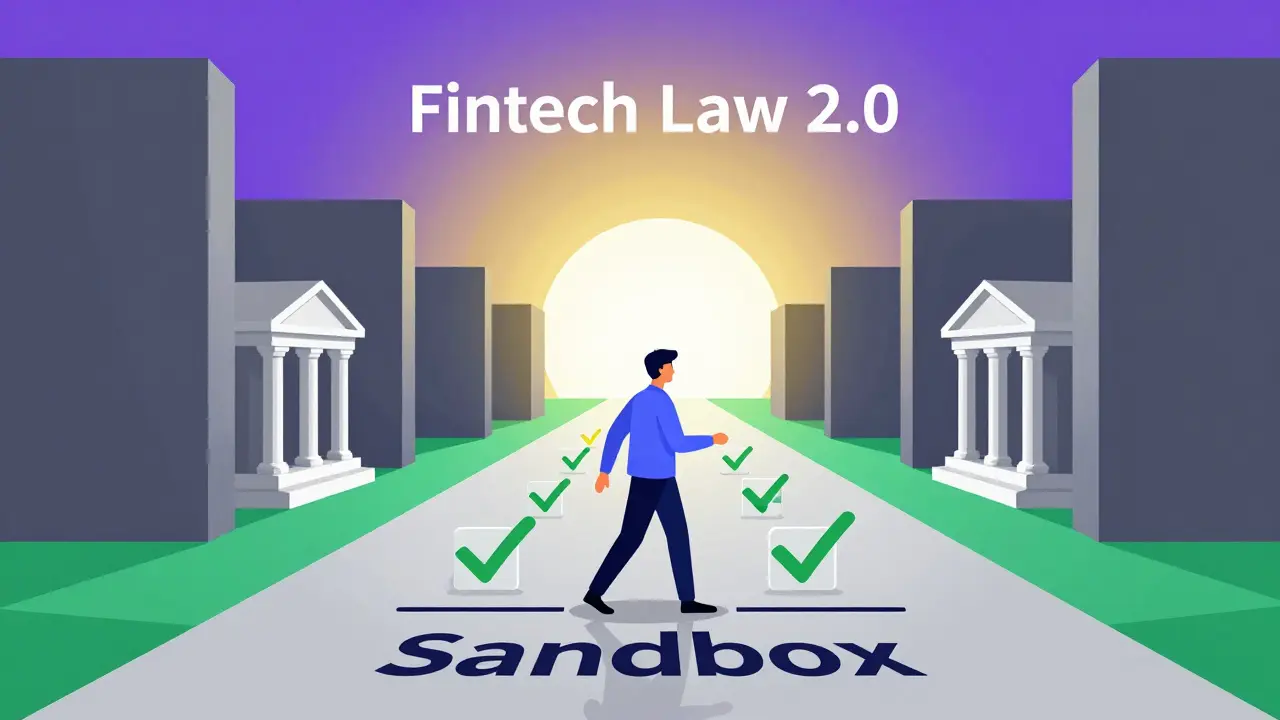
The "Fintech Law 2.0" Debate: Is Change Coming?
By 2025 and into 2026, the conversation shifted. Industry leaders like Nu, Mercado Pago, and Stori argued that the 2018 laws were too rigid. They pushed for "Fintech Law 2.0"-a modernized framework that allows for open finance and clearer crypto guidelines.
Why does this matter? Other countries in Latin America, like Colombia and Peru, have moved faster on open banking APIs. This lets developers build better products quickly. Mexico’s slower pace means local fintechs sometimes struggle to compete with global players who operate under more flexible regimes elsewhere.
Recent amendments to the Securities Market Law have helped slightly. They make it easier for fintechs to raise capital through public offerings. But the core issue remains: there’s still no clear path for regulated crypto integration in daily payments. Experts predict that 2026 will see more pressure on CNBV to clarify these rules, especially regarding cross-border forex operations involving stablecoins.
Practical Steps for New Entrants
So, you want to launch in Mexico? Here’s how to survive the regulatory landscape without getting shut down.
1. Start with the Sandbox. The regulatory sandbox allows you to test innovative products under supervised conditions. It’s not a license, but it gives you breathing room to prove your model works without full compliance overhead immediately. Use this phase to refine your KYC processes.
2. Budget for Compliance. Don’t treat legal fees as optional. Hire local counsel who specializes in CNBV regulations. The cost of a mistake-fines, frozen accounts, reputational damage-is far higher than the upfront legal spend. Expect a 6-12 month learning curve for basic compliance setup.
3. Focus on SME Lending or Payments First. Crypto is risky. Digital lending to Small and Medium Enterprises (SMEs) is less so. Mexico has a huge unbanked SME population. Fintechs that solve credit access problems thrive because they align with national economic goals. Once you’re established, you can explore adjacent areas like crypto-friendly wallets more carefully.
4. Build Redundant Infrastructure. Remember the Banxico rule on backups? Invest in local data centers or hybrid cloud solutions early. Don’t wait until an audit forces your hand. Technical reliability is part of regulatory compliance.
Looking Ahead: The 2026 Reality
The Mexican fintech market is maturing. With over 1,000 companies registered, competition is fierce. The easy days of wild innovation are over. Now, it’s about efficiency, security, and trust.
For crypto enthusiasts, the message is cautious optimism. You can participate, but you must play by the book. The government isn’t trying to kill crypto; it’s trying to control its risks. Until "Fintech Law 2.0" passes, expect the current restrictions to remain. Smart players adapt by focusing on user protection and transparent reporting, turning compliance from a burden into a competitive advantage.
Is cryptocurrency illegal in Mexico?
No, cryptocurrency is not illegal for individuals to buy, sell, or hold. However, financial institutions and businesses face strict restrictions on handling virtual assets due to anti-money laundering (AML) regulations. You can own Bitcoin, but your bank may block direct transactions related to it.
What is the role of CNBV in fintech regulation?
The National Banking and Securities Commission (CNBV) is the primary regulator for fintech companies in Mexico. It issues licenses for crowdfunding, electronic payment funds, and other digital financial services. CNBV monitors compliance with the 2018 Fintech Law and ensures systemic stability.
Do I need a physical office in Mexico to operate a fintech?
While you don’t necessarily need a large physical headquarters, you must have a legal entity registered in Mexico. Additionally, Banxico requires that data backups and certain critical systems be accessible within the country. Having local staff for compliance and security is practically mandatory.
What is the "Fintech Law 2.0"?
"Fintech Law 2.0" refers to proposed updates to the 2018 Fintech Law. Industry leaders argue the current laws are too rigid for modern innovations like open banking and crypto integration. These updates aim to create a more agile regulatory environment, though they have not been fully enacted as of 2026.
How long does it take to get fintech approval in Mexico?
Establishing basic compliance and navigating the initial authorization process typically takes 6 to 12 months. This includes setting up internal controls, hiring required officers, and submitting documentation to CNBV and Banxico. Using the regulatory sandbox can accelerate testing phases.
Author
Ronan Caverly
I'm a blockchain analyst and market strategist bridging crypto and equities. I research protocols, decode tokenomics, and track exchange flows to spot risk and opportunity. I invest privately and advise fintech teams on go-to-market and compliance-aware growth. I also publish weekly insights to help retail and funds navigate digital asset cycles.