
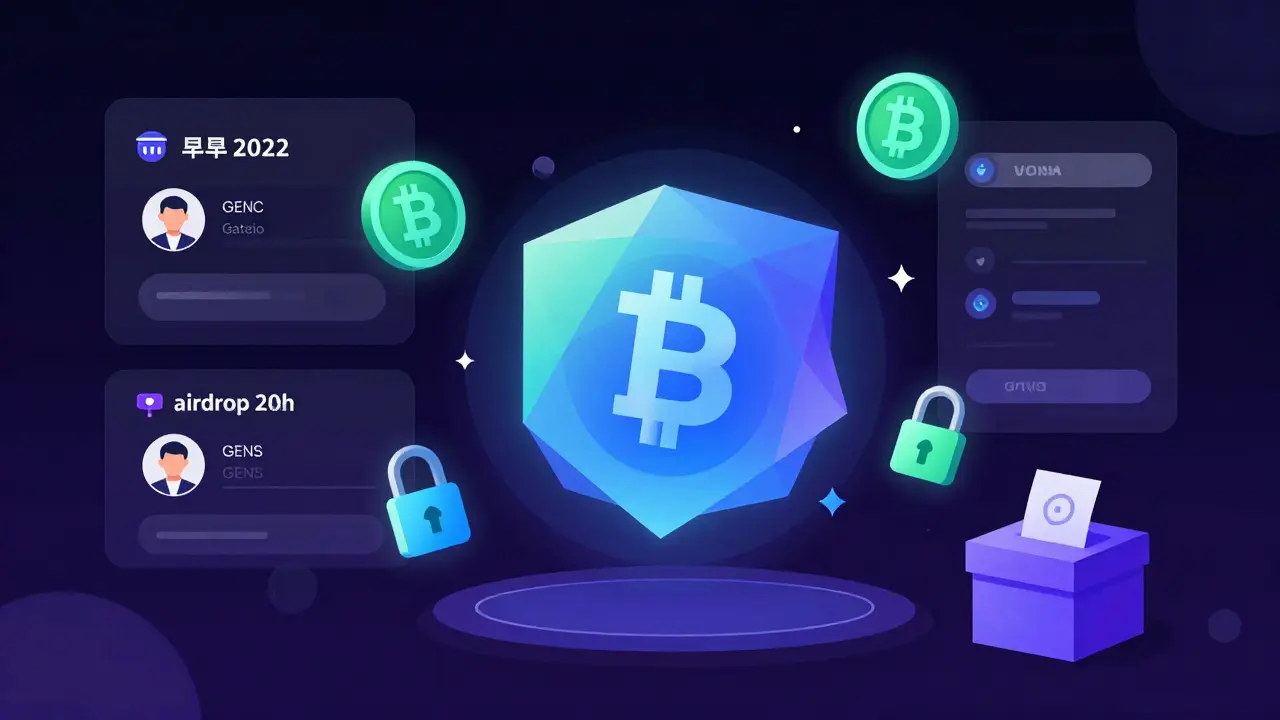
Remember the days when finding an airdrop meant stumbling upon a hidden gem worth hundreds of dollars? That was the vibe in early 2022. Today, looking back at Genshiro (GENS) is a stark reminder of how volatile the decentralized finance (DeFi) landscape can be. If you are searching for details on the Genshiro airdrop, you might be hoping to find a new opportunity or checking the status of past rewards. The reality is complex: the major distribution events are long over, and the token’s value has shifted dramatically since then.
This article breaks down exactly what happened with the Genshiro airdrops, why the price dropped so significantly, and what this means for anyone holding GENS today or considering future opportunities within the Kusama network.
The Big Airdrop Events: MEXC and Gate.io
To understand the Genshiro airdrop history, we have to look at two major campaigns that defined the token's initial distribution. These weren't your typical "follow us on Twitter" giveaways. They were structured, engagement-heavy events designed to bootstrap liquidity and community interest.
The most documented event took place on MEXC, a major cryptocurrency exchange. In January 2022, MEXC launched a reward pool containing 885,000 GENS tokens. At the time, the reference price was set at $0.063 per token. That sounds small now, but back then, it represented roughly $55,755 in total value distributed among participants.
Here is how the MEXC campaign worked:
- Voting Mechanism: You didn't just claim tokens; you had to vote using MX tokens (MEXC's native token). This created a barrier to entry, ensuring only active users participated.
- Requirements: Participants needed a minimum of 10 votes, with a maximum cap of 500,000 MX tokens per user.
- Locking Period: The MX tokens used for voting were temporarily locked during the event. They unlocked one hour after the voting period ended, allowing multiple rounds of participation before the final cutoff.
- Timeline: Voting ran from January 22, 2022, 04:00 UTC to 10:50 UTC, with trading starting later that day at 14:00 UTC.
Another significant distribution occurred via Gate.io. Through their Startup Free Offering program, Gate.io distributed over 1.2 million GENS tokens (specifically 1,277,825) to participants. While specific mechanics varied, this campaign highlighted the project's strategy of leveraging major exchanges to reach a wide audience quickly.
Where Is GENS Now? The Price Reality Check
If you held onto your GENS tokens from those 2022 airdrops, you might be feeling some sticker shock. Let’s look at the numbers objectively.
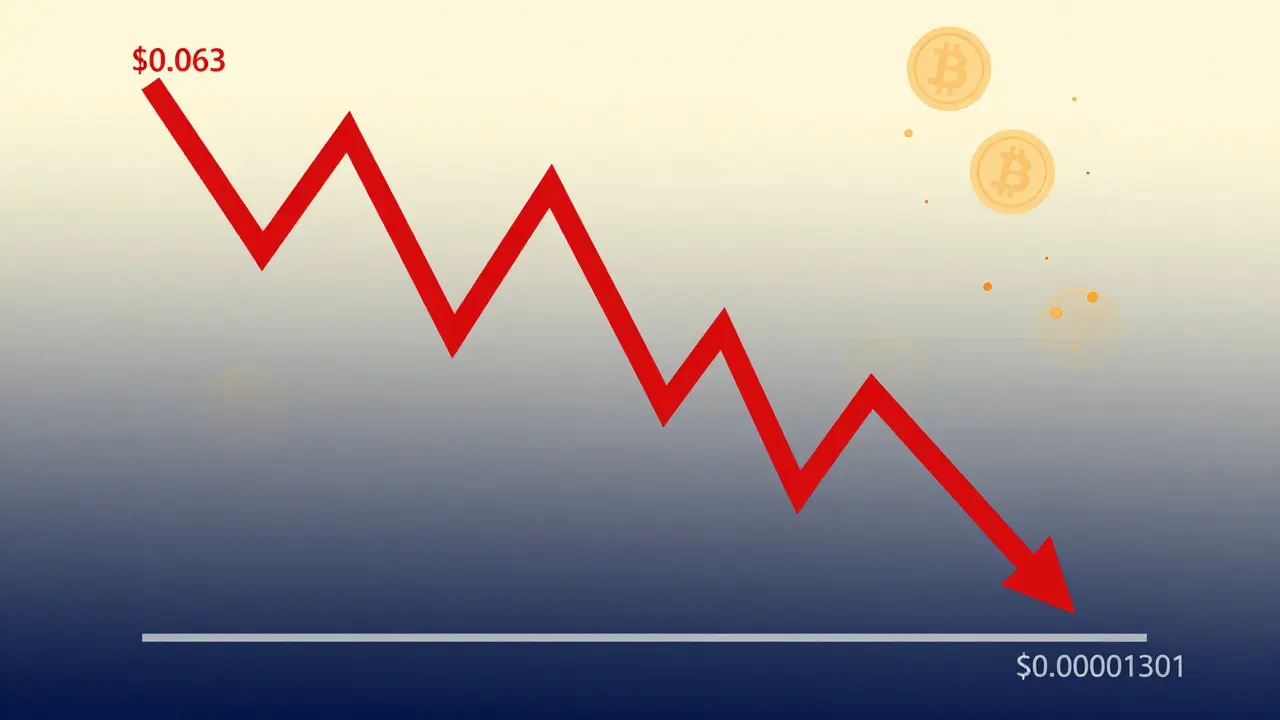
In January 2022, GENS traded around $0.063. As of late 2025 and into 2026, the market price has settled at approximately $0.00001301. This represents a decline of nearly 99.98%. For every dollar’s worth of GENS you received back then, you would now have less than a penny.
| Date | Price (USD) | Context |
|---|---|---|
| January 2022 | $0.063 | MEXC Airdrop Reference Price |
| September 2025 | $0.00001301 | Current Market Trading Price |
| Change | -99.98% | Total Depreciation |
Why did this happen? It wasn’t necessarily because the technology failed. It reflects broader trends in the crypto market, particularly within the Polkadot and Kusama ecosystems. Many projects launched during the 2021-2022 bull run faced severe corrections as investor sentiment shifted away from speculative DeFi tokens toward more established assets or newer narratives like AI and Real World Assets (RWA).
What Is Genshiro Actually Building?
Despite the price drop, Genshiro isn’t dead. It remains an active project with a clear technical vision. To evaluate if there’s any future potential, you need to understand what the platform does.
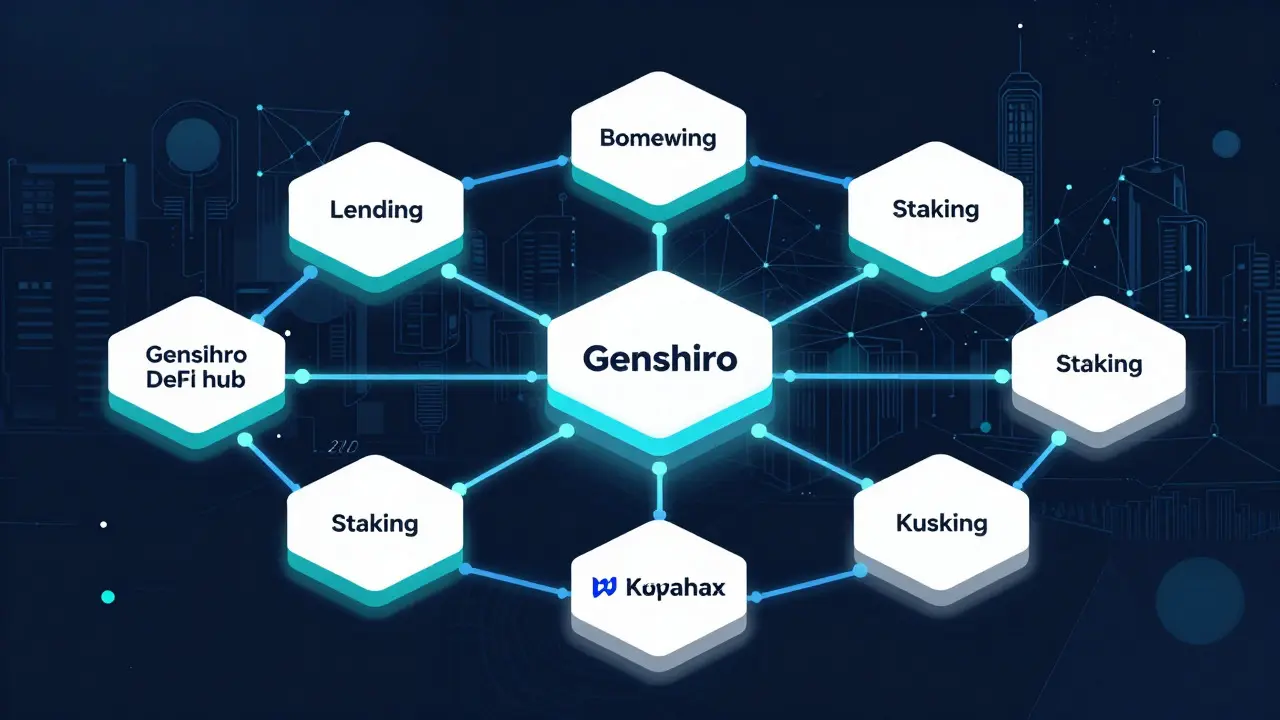
Genshiro positions itself as a comprehensive DeFi hub on the Kusama canary network. Think of Kusama as a testing ground for Polkadot-faster, riskier, and more experimental. Genshiro aims to provide a "one-stop shop" for DeFi activities, reducing the complexity users face when jumping between different protocols.
The architecture relies on eight core components:
- Cross-Chain Interoperability: Allows seamless asset transfers between different blockchains, solving the fragmentation problem in DeFi.
- Lending & Borrowing: Integrated markets where users can lend assets for yield or borrow against collateral.
- Yield Farming: Opportunities to earn rewards by providing liquidity to various pools.
- Smart Contract Platform: Enables developers to build custom financial instruments directly on the network.
- Layer-2 Scaling: Solutions to handle high transaction volumes without clogging the main chain.
- DAO Governance: A decentralized autonomous organization structure lets token holders vote on project decisions.
- Liquidity Pools: Aggregated liquidity to ensure efficient trading with minimal slippage.
- Oracle Integration: Reliable price feeds from external data sources to secure smart contracts.
The goal is to create a safer, more integrated DeFi experience compared to using standalone protocols on Ethereum or other chains. By building on Kusama, Genshiro benefits from lower fees and faster block times, which are crucial for retail users who want to move money without paying exorbitant gas costs.
The Roadmap: What’s Next for Genshiro?
Projects don’t survive on past glory alone. Genshiro has published a strategic roadmap extending through 2030. Here is what they plan to achieve:
- 2025 Expansion: Focus on enhancing cross-chain capabilities and launching new DeFi products within the ecosystem. This includes deeper integration with other parachains.
- 2026 Risk Management: Implementing advanced tools to help users manage exposure and volatility. This is critical for retaining users after the bear market corrections.
- 2027 Staking Innovation: Introducing new staking mechanisms and yield farming strategies to attract institutional capital and long-term holders.
- 2030 Vision: Positioning Genshiro as a leading DeFi ecosystem offering a full suite of financial services, comparable to traditional banking but decentralized.
The team continues to release updates and maintain development activity. However, execution is key. The gap between a roadmap and actual user adoption is often wide. The challenge for Genshiro is not just building features, but convincing users to bring their funds back to a platform whose token value has eroded significantly.
Should You Care About Future Airdrops?
If you missed the 2022 events, don’t worry. There are no immediate, publicly announced large-scale airdrops for Genshiro in mid-2026. However, the project’s ongoing development suggests smaller incentive programs may occur.
When evaluating future opportunities, keep these points in mind:
- Engagement Over Speculation: Past airdrops required active participation (voting, locking tokens). Future events will likely follow similar patterns to filter out bots and casual speculators.
- Ecosystem Health: Watch the overall health of the Kusama network. If Kusama gains traction, Genshiro could benefit from increased visibility and liquidity.
- Risk Tolerance: Given the historical price volatility, treat any involvement as high-risk. Only allocate funds you can afford to lose entirely.
Final Thoughts on Genshiro
Genshiro represents a classic case study in the crypto world: ambitious technology, strong initial marketing, followed by harsh market realities. The airdrops provided early users with free tokens, but the subsequent price drop turned many windfalls into dust.
For current holders, the decision to hold or sell depends on your belief in the long-term viability of DeFi on Kusama. For newcomers, the low entry price might seem attractive, but remember that cheap doesn’t mean valuable. Always do your own research (DYOR) and look beyond the token price to the actual utility and adoption metrics.
Is the Genshiro airdrop still active in 2026?
No, the major Genshiro airdrop campaigns concluded in 2022 through MEXC and Gate.io. As of mid-2026, there are no large-scale public airdrops currently running. Any new distributions would likely be smaller, targeted incentive programs rather than mass giveaways.
How much is 1 GENS token worth today?
As of late 2025 and continuing into 2026, GENS trades at approximately $0.00001301. This is a significant decrease from its 2022 peak of around $0.063, representing a loss of nearly 99.98% in value.
What blockchain is Genshiro built on?
Genshiro is built on the Kusama network, which serves as a canary network for Polkadot. This allows for faster experimentation and lower transaction fees compared to Ethereum-based DeFi protocols.
Did I miss out on the MEXC Genshiro airdrop?
Yes, the MEXC airdrop took place in January 2022. It required users to vote with MX tokens. Since the event has passed, you cannot participate in that specific distribution, but you can buy GENS on open markets if you believe in the project's future.
Is Genshiro a safe investment?
Like all DeFi projects, Genshiro carries high risk. The token has experienced extreme volatility, dropping 99.98% from its highs. While the technology is actively developed, market adoption remains a challenge. Consider it a high-risk speculative asset rather than a stable investment.
Author
Ronan Caverly
I'm a blockchain analyst and market strategist bridging crypto and equities. I research protocols, decode tokenomics, and track exchange flows to spot risk and opportunity. I invest privately and advise fintech teams on go-to-market and compliance-aware growth. I also publish weekly insights to help retail and funds navigate digital asset cycles.