
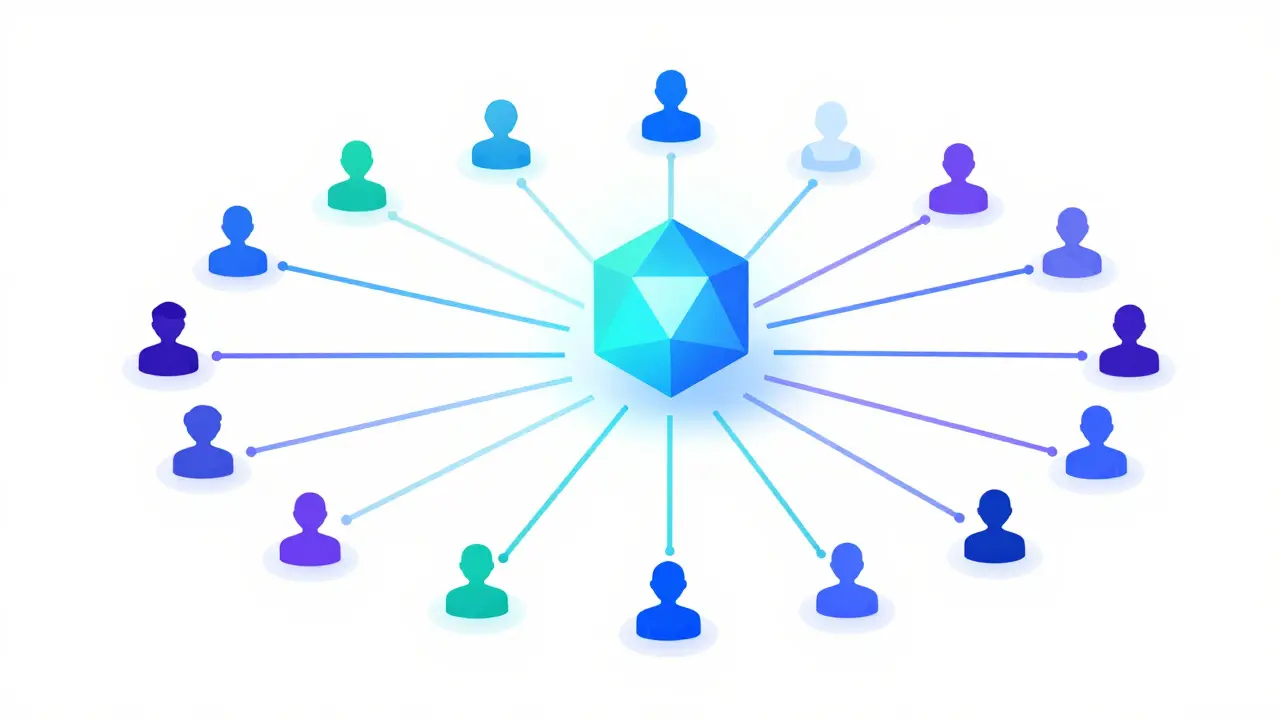
Imagine a company with no CEO, no board of directors, and no office building. Instead of waiting for an executive team to approve your idea, you submit it to the community, vote on it alongside thousands of others, and watch the code automatically execute the result if it passes. This is not a sci-fi scenario; this is how Decentralized Autonomous Organizations (DAOs) are community-governed entities that use blockchain technology and smart contracts to automate decision-making without centralized leadership. Also known as decentralized autonomous organizations, they represent a fundamental shift in how we organize work and allocate resources.
If you have ever wondered how these groups actually function without a boss, you are asking the right question. The short answer is code. But the real answer is much more nuanced, involving complex voting mechanisms, economic incentives, and human coordination. Understanding DAO governance is essential for anyone looking to participate in the decentralized economy, whether you are a developer, an investor, or just curious about the future of work.
The Core Mechanism: Smart Contracts as Law
To understand how decisions are made, you first need to understand what enforces them. In traditional companies, laws and bylaws are enforced by courts and executives. In a DAO, the "law" is written in code. These are called smart contracts are self-executing programs stored on a blockchain that automatically enforce the terms of an agreement when predefined conditions are met.
When a DAO is launched, developers write these smart contracts to define the rules of engagement. They dictate how proposals are created, how votes are counted, and crucially, what happens when a proposal passes. If a proposal to move funds from the treasury to a new project gets enough votes, the smart contract unlocks those funds. No human needs to sign a check. No bank needs to process a wire transfer. The code simply executes.
This automation removes intermediaries and reduces bias. However, it also means that mistakes in the code can be catastrophic. The infamous 2016 hack of The DAO, where millions of dollars were stolen due to a vulnerability in the code, serves as a stark reminder that while the system is automated, it is only as secure as the programming behind it.
The Four-Step Decision Cycle
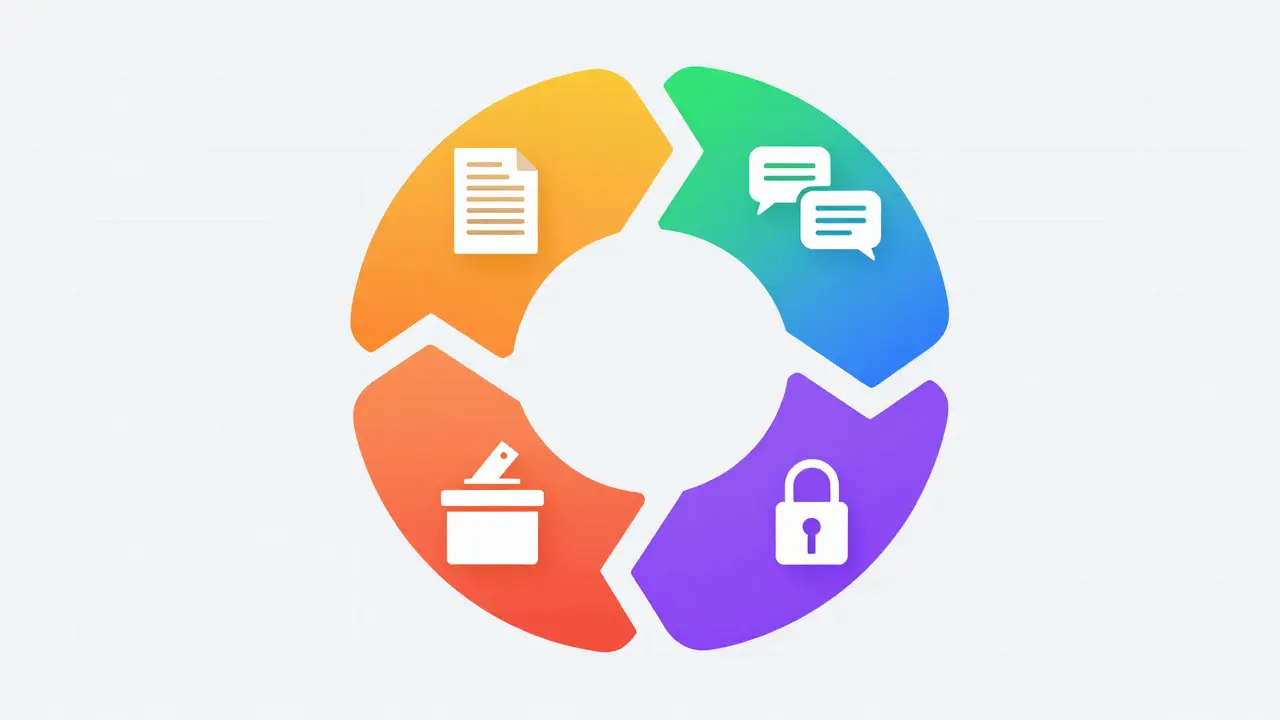
Every decision in a DAO follows a predictable lifecycle. While the specifics vary by organization, the general workflow consists of four distinct stages:
- Proposal Submission: A member identifies an issue or opportunity and drafts a formal proposal. This isn't just a casual suggestion; it often requires a deposit of tokens to prevent spam and ensure the proposer has skin in the game.
- Discussion: Before voting begins, the community debates the proposal. This usually happens off-chain on forums like Discord, Telegram, or specialized platforms like Snapshot. This phase is critical for building consensus and refining the details.
- Voting: Token holders cast their votes during a designated period. Voting power is typically tied to the number of governance tokens held, though some DAOs experiment with different models.
- Execution: If the proposal meets the required thresholds, the smart contract automatically executes the action. If it fails, nothing happens, and the status quo remains.
This structure ensures transparency. Every step is recorded on the blockchain, creating an immutable audit trail that anyone can verify. You don't have to trust that the vote was counted correctly; you can check the ledger yourself.
Configuring the Rules: Quorum and Pass Rates
Not all DAOs are created equal. The way a DAO makes decisions depends heavily on its initial configuration. According to frameworks like Aragon's, organizers must set several key parameters before launch. Two of the most important are quorum and pass rate.
Quorum is the minimum percentage of total token supply that must participate in a vote for the result to be considered valid. Without a quorum, a small group of active users could make decisions that affect the entire community. For example, if only 1% of token holders vote, their decision might not reflect the will of the majority. Setting a high quorum encourages participation but can lead to gridlock if too few people show up.
The pass rate is the percentage of 'yes' votes required among participating voters for a proposal to succeed. Most DAOs use a simple majority (50% + 1) for routine matters like funding grants. However, critical changes-such as altering the protocol code or minting new tokens-often require a super-majority (e.g., 67%) to protect against malicious takeovers.
Consider Lido DAO is a leading liquid staking protocol governed by LDO token holders using a sophisticated multi-phase voting system. Lido requires at least 5% of the total token supply to vote "yes" for a proposal to pass. Additionally, more than 50% of the votes cast must be in favor. This dual requirement ensures both broad participation and clear support.
Voting Mechanisms: More Than Just Yes or No
How you vote matters almost as much as what you vote on. The most common method is token-weighted voting, where one token equals one vote. This aligns decision-making power with financial stake, theoretically incentivizing long-term thinking. However, it can lead to plutocracy, where large holders dominate outcomes.
To address this, some DAOs use alternative mechanisms:
- Permissioned Relative Majority: Specialists are elected to vote on behalf of the broader community. This speeds up decision-making but concentrates power.
- Holographic Consensus: Members predict whether a proposal will pass or fail and bet tokens on their prediction. Correct predictions earn rewards, while incorrect ones lose tokens. This mechanism helps gauge true sentiment without requiring everyone to vote directly.
- Multisig Voting: A committee of trusted members holds keys to a multisignature wallet. They can execute urgent actions quickly, such as pausing the protocol during a security breach, while the broader community retains control over major strategic decisions.
Lido DAO employs a unique two-phase voting system. The first 48 hours allow members to vote for or against proposals. The final 24 hours are an objection phase, where members can only vote against or switch their support to opposition. This design prevents last-minute panic selling and encourages careful consideration.
| Mechanism | Decision Speed | Decentralization Level | Best Use Case |
|---|---|---|---|
| Token-Weighted Voting | Slow | High | Major strategic shifts |
| Multisig Committee | Fast | Low | Emergency responses |
| Holographic Consensus | Medium | High | Gauging community sentiment |
| Permissioned Electorate | Fast | Medium | Technical implementation details |
Challenges in Decentralized Decision-Making
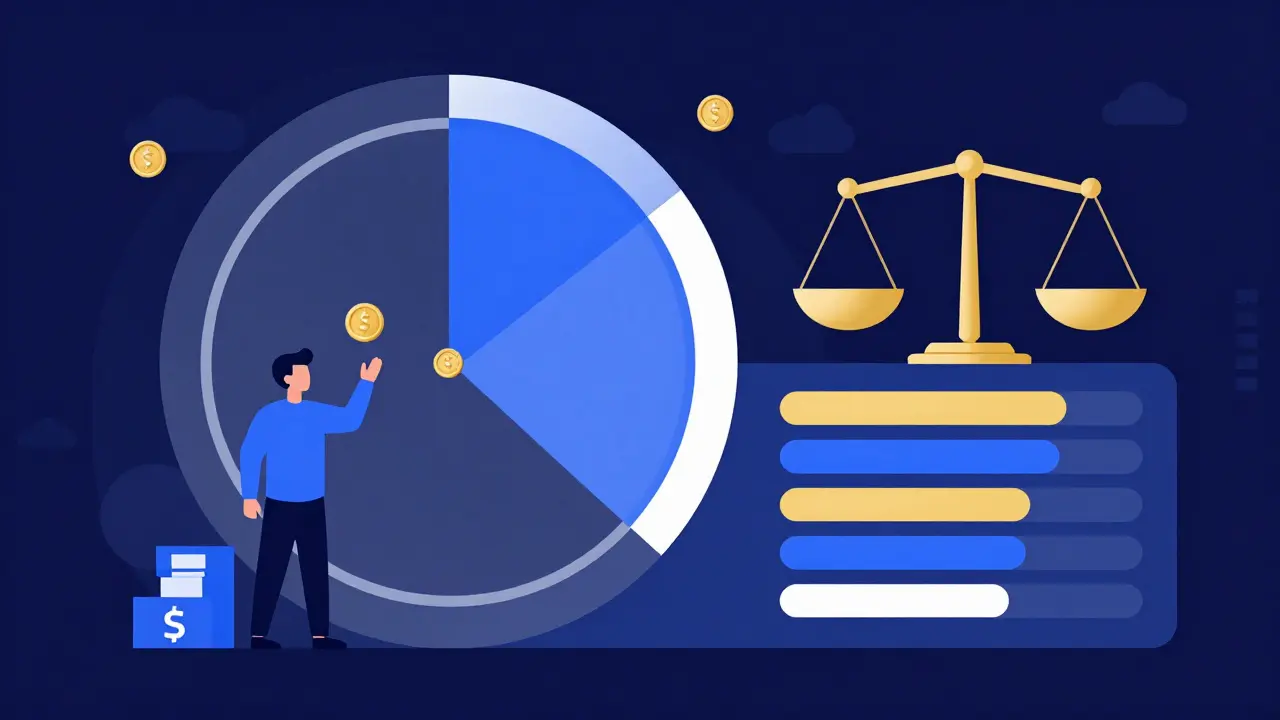
Despite the elegance of the model, DAOs face significant hurdles. The biggest challenge is voter apathy. Many token holders do not bother to vote, leaving decisions to a small, active minority. This can skew results and reduce legitimacy.
Coordination costs are another issue. Aligning thousands of global stakeholders with diverse interests is difficult. Discussions can become chaotic, and reaching consensus takes time. To combat this, many DAOs bundle related proposals together, reducing the cognitive load on voters and streamlining the process.
Security risks remain ever-present. Smart contract vulnerabilities can be exploited, as seen in past hacks. Additionally, governance attacks-where bad actors acquire enough tokens to push through malicious proposals-are a theoretical threat that DAOs must mitigate through robust quorum requirements and timelocks.
Finally, there is the legal ambiguity. In many jurisdictions, the legal status of a DAO is unclear. Are they corporations? Partnerships? Something else entirely? This uncertainty can deter institutional participation and create liability issues for members.
The Future of Governance
As DAOs mature, we are seeing innovations aimed at improving scalability and inclusivity. Quadratic voting, which limits the influence of large holders by charging them exponentially more for additional votes, is gaining traction. Liquid democracy, allowing members to delegate their votes to trusted experts on specific topics, offers a flexible middle ground between direct and representative democracy.
Tools like Snapshot enable gas-free voting by signing messages off-chain, reducing costs and environmental impact. Meanwhile, on-chain execution layers are becoming more sophisticated, allowing for complex multi-step transactions to be executed safely.
The goal is not just to replace traditional hierarchies but to create more resilient, transparent, and inclusive organizational structures. While the technology is still evolving, the potential for DAOs to transform how we collaborate globally is undeniable.
What is a DAO and how does it differ from a traditional company?
A DAO, or Decentralized Autonomous Organization, is a community-run entity governed by smart contracts on a blockchain. Unlike traditional companies with hierarchical leadership (CEOs, boards), DAOs distribute decision-making power among token holders. Actions are executed automatically by code rather than human managers, ensuring transparency and removing intermediaries.
How are votes weighted in a typical DAO?
In most DAOs, voting power is proportional to the number of governance tokens held. This means members with more tokens have greater influence over decisions. However, some DAOs use alternative methods like quadratic voting or delegation to prevent wealth concentration from dominating outcomes.
What happens if a proposal fails to meet the quorum?
If a proposal does not meet the minimum participation threshold (quorum), it is rejected regardless of the yes/no ratio. This protects the DAO from decisions made by a small, unrepresentative subset of the community. The proposal may be resubmitted later with better outreach efforts.
Can smart contracts be changed after a DAO is launched?
Yes, but usually only through a governance vote. Since the code defines the rules, changing it requires community approval. Critical upgrades often require a super-majority vote and may involve a timelock-a delay period before changes take effect-to give members time to react or exit if they disagree.
What are the main risks associated with DAO governance?
Key risks include smart contract vulnerabilities (which can lead to fund theft), low voter participation (leading to oligarchy), governance attacks (where bad actors buy influence), and legal uncertainty regarding the entity's status. Security audits and robust voting parameters help mitigate these risks.
Author
Ronan Caverly
I'm a blockchain analyst and market strategist bridging crypto and equities. I research protocols, decode tokenomics, and track exchange flows to spot risk and opportunity. I invest privately and advise fintech teams on go-to-market and compliance-aware growth. I also publish weekly insights to help retail and funds navigate digital asset cycles.