
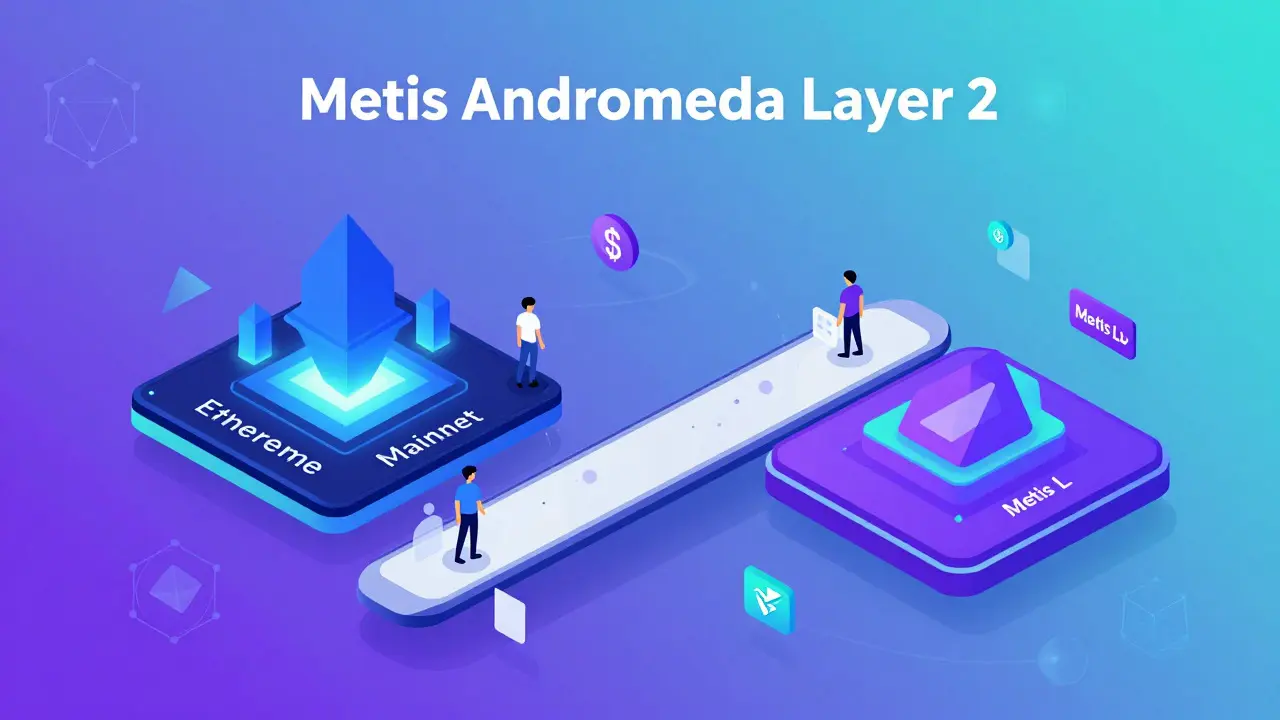
Everyone loves free money, right? But when it comes to crypto airdrops, "free" usually means you have to do some work first. If you've been hearing whispers about the METIS Layer 2 scaling solution and its potential reward programs, you're probably wondering how to actually get your hands on those tokens. The truth is, there isn't one single "Me in Metis" button you press. Instead, eligibility is often tied to your activity on the network, your holdings, or specific community engagement efforts. Let's break down exactly what you need to know to position yourself for success.
Understanding the Metis Ecosystem
To understand why an airdrop might happen (or continue), you need to grasp what makes Metis different. It’s not just another Ethereum sidechain. Metis Andromeda is a hybrid rollup solution that combines optimistic rollups with zero-knowledge proofs. This tech stack allows for significantly cheaper transactions-often cents instead of dollars-and faster confirmations than the Ethereum mainnet. The platform focuses heavily on Decentralized Autonomous Companies (DACs), which are essentially upgraded DAOs designed for real-world business use. Because the ecosystem relies on user participation to secure the network and provide liquidity, rewarding early adopters with METIS tokens is a logical strategy to bootstrap growth.
How Airdrop Eligibility Typically Works
Airdrops aren't random lotteries. They are marketing campaigns designed to distribute tokens to users who add value to the protocol. For Metis, this usually involves interacting with the chain. Did you swap tokens? Did you mint an NFT? Did you stake your METIS? These actions create a footprint. Projects like Metis often look at on-chain data to determine who deserves a reward. If you were active during specific snapshot dates, you might already be eligible without realizing it. Always check official channels before assuming you missed out.
| Activity Type | Action Required | Why It Matters |
|---|---|---|
| Swapping Tokens | Use DEXs like MUX or MetaMask Swaps on Metis | Provides liquidity and volume to the ecosystem |
| NFT Minting | Mint native Metis NFTs or bridge assets | Demonstrates engagement with the asset layer |
| Staking | Lock METIS in staking contracts | Secures the network and reduces circulating supply |
| Bridge Usage | Move ETH or stablecoins from Ethereum to Metis | Proves cross-chain utility and demand |
The Role of Staking in Rewards
Staking is arguably the most reliable way to earn METIS over time, even outside of one-off airdrops. When you stake your tokens, you’re helping secure the network. In return, the protocol distributes rewards. While this isn't technically an "airdrop" in the traditional sense of free distribution, it functions similarly by handing you more tokens for holding. The beauty of Metis staking is its integration with DACs. Some projects within the ecosystem offer boosted staking rewards if you also participate in governance votes. This dual-reward structure means you can compound your gains simply by being an active participant rather than a passive holder.

Bridging Assets: Your First Step
If you haven't used Metis yet, bridging is where you start. You can’t interact with the network if your funds are stuck on Ethereum Mainnet. Use the official Metis Bridge or third-party options like Orbiter Finance. Keep in mind that bridging costs gas fees on both sides. To maximize your chances of qualifying for future incentives, try to maintain a small balance of METIS or ETH on the L2 after bridging. Many protocols track "active addresses," meaning wallets that have sent or received transactions recently. An empty wallet that just held funds for a week might not count as active in the same way as one that made three swaps.
Community Engagement and Social Tasks
Not all rewards are on-chain. Metis has run social campaigns where users tweet about the project, join Discord servers, or participate in quizzes. These tasks help spread awareness. While these smaller drops might yield fewer tokens, they are low-effort wins. Follow the official Metis Twitter account and Discord. Announcements for new incentive programs often drop there first. If you see a campaign asking for feedback on a new feature, respond. Sometimes, the most valuable rewards go to users who provide constructive input rather than just clicking buttons.

Decentralized Autonomous Companies (DACs)
This is where Metis gets unique. DACs are organizational structures built into the blockchain. If you join a DAC, you might receive reputation points or tokens based on your contribution. Think of it like earning loyalty points at a coffee shop, but on steroids. Each DAC might have its own internal economy. By participating in multiple DACs, you diversify your exposure to potential micro-airdrops. These are often distributed directly by the DAC treasury to members who helped grow the organization. Check the Metis dashboard to see which DACs are currently recruiting members.
Tax Implications and Wallet Security
Before you claim any airdrop, think about taxes. In many jurisdictions, including New Zealand, receiving cryptocurrency is considered taxable income at the fair market value on the day you receive it. Keep records of every transaction. Also, security is paramount. Scammers love airdrops. They will send fake tokens to your wallet and ask you to "claim" them by connecting your wallet to a shady website. Never connect your hardware wallet to unknown sites. Only use official links found on the Metis documentation or verified social media accounts. If a site asks for your private key, run away.
What If You Missed the Snapshot?
Don't panic. Crypto moves fast, and new opportunities arise constantly. Even if you missed a past snapshot, you can position yourself for the next one. Start using the network now. Make small transactions regularly. Hold METIS. Join the community. Consistency beats sporadic bursts of activity. Protocols prefer users who stick around because they provide long-term stability. Additionally, keep an eye on partner projects. Often, dApps building on Metis will launch their own token distributions to Metis users specifically, creating a secondary wave of rewards.
Is there a guaranteed METIS airdrop for everyone?
No, airdrops are typically targeted at specific cohorts of users based on activity, holdings, or timing. There is no universal guarantee for every wallet address.
Do I need to hold METIS to qualify for future rewards?
Holding METIS often helps, especially for staking-based rewards, but many airdrops target users who perform actions like swapping or bridging, regardless of their final balance.
How do I claim my METIS airdrop?
Usually, you visit the official claim page provided by the project, connect your wallet, and sign a transaction to transfer the tokens to your address. Beware of phishing sites.
Can I sell my airdropped METIS immediately?
Yes, unless there is a vesting schedule specified by the project. Most standard airdrops are liquid upon receipt, allowing you to trade or hold them freely.
What happens if I don't claim my airdrop?
Unclaimed tokens may expire or be returned to the project treasury after a set period. Always check the deadline for claiming your rewards.
Author
Ronan Caverly
I'm a blockchain analyst and market strategist bridging crypto and equities. I research protocols, decode tokenomics, and track exchange flows to spot risk and opportunity. I invest privately and advise fintech teams on go-to-market and compliance-aware growth. I also publish weekly insights to help retail and funds navigate digital asset cycles.