
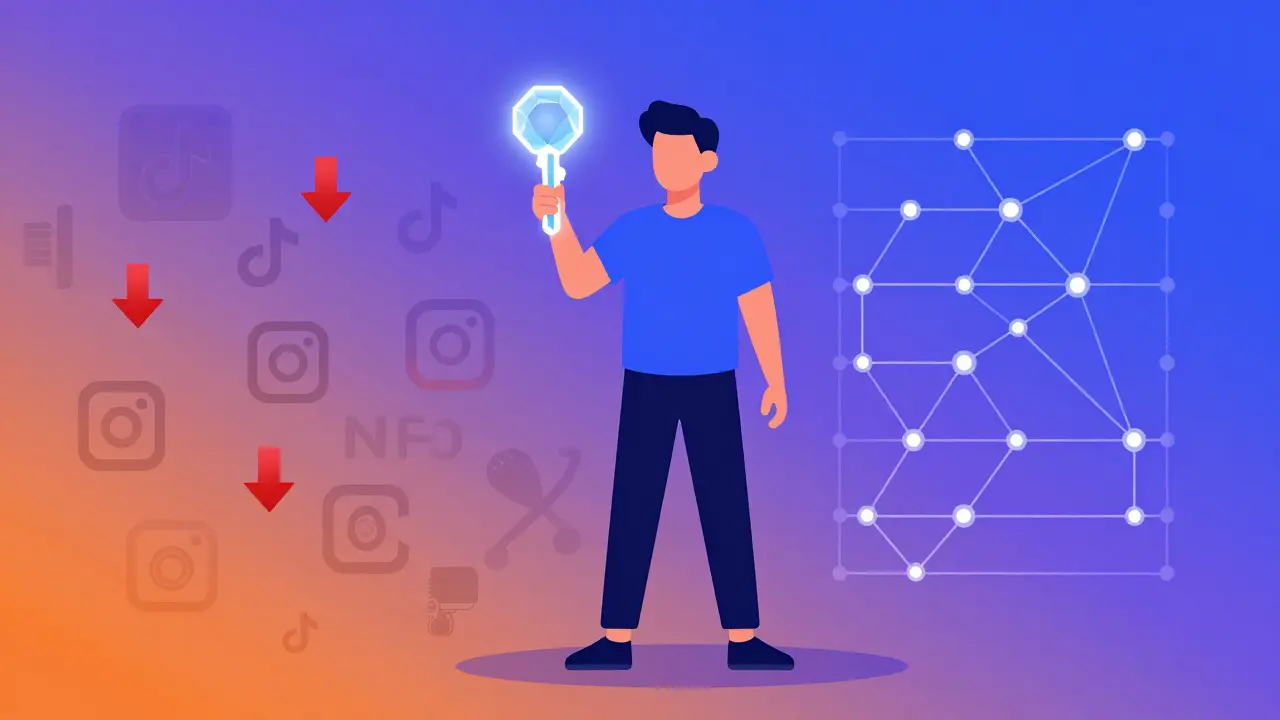
The hype cycle is dead. If you’re looking at Non-fungible tokens (NFTs) as a way to get rich quick by selling JPEGs of monkeys, you are already behind. But if you are a creator tired of algorithm changes eating your income and platforms taking huge cuts, NFTs have quietly become one of the most powerful tools for building a sustainable business. In 2026, the conversation has shifted entirely from speculation to utility. Creators aren’t just selling art; they are selling access, community, and direct ownership.
We need to talk about why this matters now. The creator economy is facing a crisis of dependency. Platforms like TikTok, Instagram, and YouTube change their rules overnight. One day you’re trending; the next, your reach drops by 50% because an update changed how content is distributed. This instability forces creators to ask a hard question: who actually owns my audience? With traditional social media, the answer is usually the platform. With NFTs, the answer can be you.
From Speculation to Strategic Infrastructure
Let’s clear up a misconception. When people hear "NFT," they often think of the 2021 bubble where anyone could mint something and hope it sold for millions. That era is over. What remains is a mature technology solving real problems. According to recent analysis from New Economies, the creator economy entered Web3 territory with a surge of transparent platforms handing more power back to the creator. By 2025 and into 2026, NFTs have evolved into critical infrastructure for business resilience.
Think of an NFT not as a picture, but as a digital key. It verifies ownership on the blockchain. For a creator, this means you can create a token that unlocks exclusive content, grants voting rights in your community, or serves as a lifetime membership card. Unlike a Patreon subscription that stops when you cancel, an NFT stays in your fan’s wallet forever. This permanence builds deeper loyalty. You are no longer renting attention; you are owning a relationship.
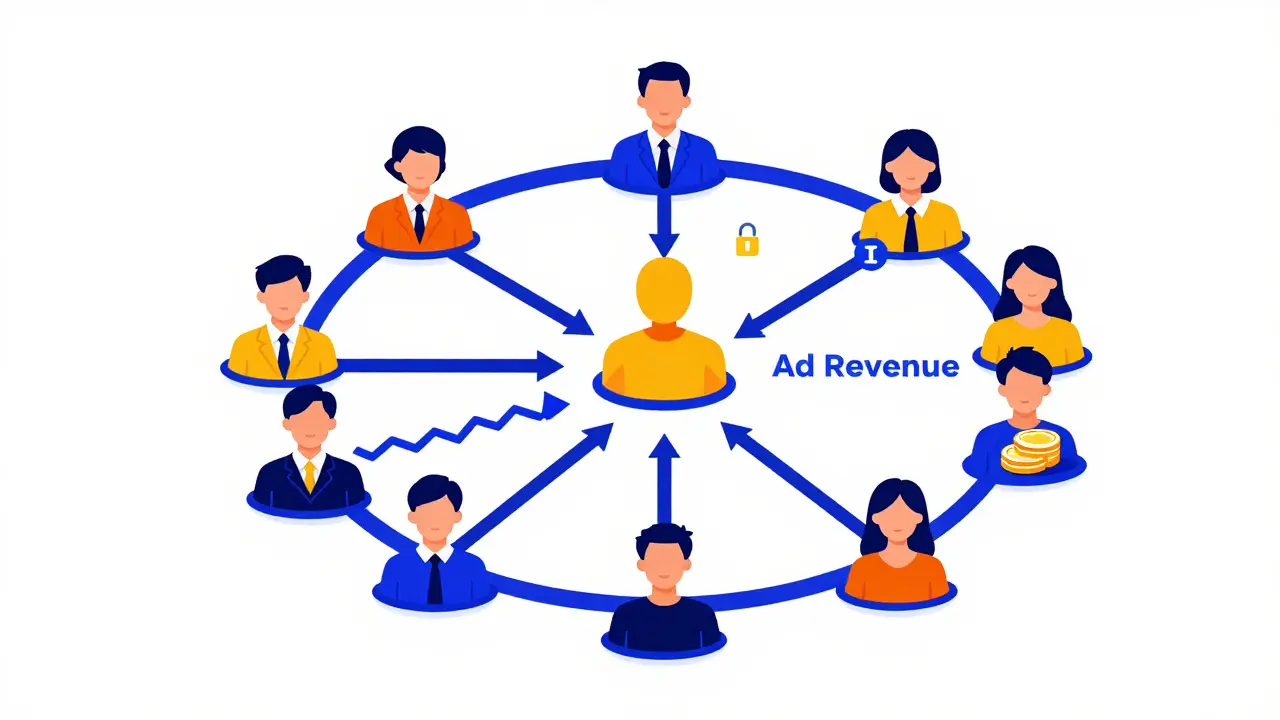
The data supports this shift. Research indicates that successful creator NFT projects now generate the majority of their revenue from secondary market royalties-meaning every time a fan resells their token, you get paid. This creates a perpetual income stream that doesn’t exist in traditional advertising or sponsorship models. It turns your audience into active participants in your success rather than passive consumers.
Why Creators Are Fleeing Platform Dependency
You’ve likely felt it. The anxiety of waking up to find your engagement metrics plummeting. Digiday’s analysis highlights that creators are increasingly forced to build businesses off-platform due to these volatile conditions. NFTs provide a platform-agnostic revenue stream. Whether you promote your NFT on Twitter, Instagram, or TikTok, the asset lives on the blockchain, independent of any single company’s whims.
Consider the difference in control. On YouTube, if they decide to demonetize your niche, your income vanishes. With an NFT-based model, your top supporters hold tokens that grant them access to your Discord server or private newsletter. Even if YouTube bans you tomorrow, you still have direct access to the people who value your work enough to own a piece of it. This is what experts call "digital real estate." It is land you own, not land you lease from a tech giant.
This shift isn’t just theoretical. Surveys show that creators using NFTs maintain significantly higher revenue stability during platform algorithm changes compared to those relying solely on ad revenue. They are hedging their bets. By diversifying into Web3, they are protecting themselves against the unpredictable nature of social media algorithms.
The Technical Landscape in 2026
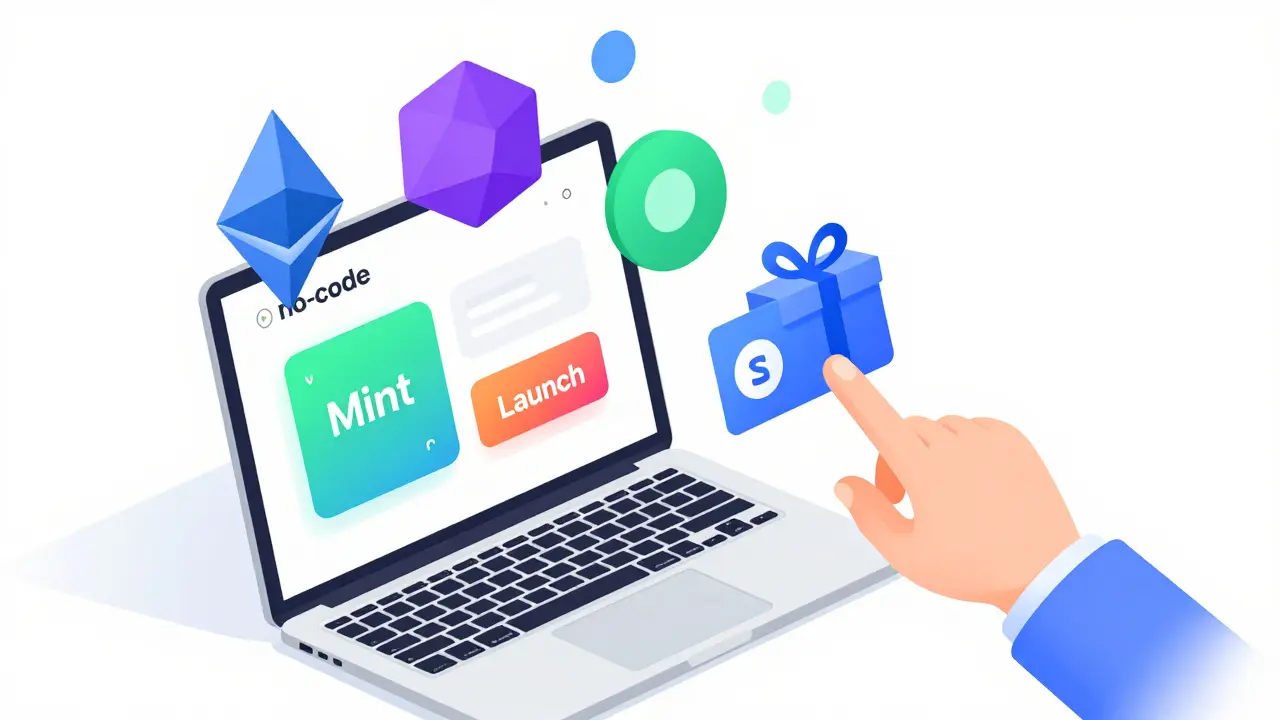
If you were thinking about launching an NFT collection three years ago, you needed a computer science degree. You had to code smart contracts, manage complex gas fees, and navigate confusing interfaces. Today, the barrier to entry has dropped dramatically. No-code platforms have democratized the process, allowing creators to focus on community building rather than technical debugging.
Here is how the current technical stack looks for most creators:
- Ethereum: Still the dominant network for high-value assets, holding the largest market share. It offers the most security and liquidity but comes with higher transaction costs.
- Polygon: A popular choice for creators wanting low fees. It operates as a layer-two solution on Ethereum, making it cheap and fast to mint and trade NFTs.
- Solana: Known for its speed and near-zero transaction costs, attracting creators who want to issue large volumes of affordable tokens.
Most creators today use standardized protocols like ERC-721 for unique items or ERC-1155 for batches of similar items. You don’t need to understand the code behind these standards. You just need to know which marketplace supports them. Platforms like OpenSea, Rarible, and specialized tools like Shopify’s NFT Studio allow you to launch collections with a few clicks. The average setup time has dropped to less than nine hours, compared to weeks of development in the early days.
However, simplicity shouldn’t mean carelessness. You still need to understand basic concepts like wallet management. Your crypto wallet is your bank account. If you lose your private key, you lose everything. There is no "forgot password" button in Web3. This responsibility is part of the trade-off for true ownership.
Revenue Models That Actually Work
Selling a static image is rarely enough to sustain a career in 2026. The money is in utility. Successful creators design tiered models where NFT holders gain specific benefits. Here are the most effective strategies currently being used:
- Exclusive Content Access: Token-gated communities where only NFT holders can see certain posts, videos, or documents. This replaces expensive subscription services with a one-time purchase that lasts forever.
- Community Governance: Giving holders a vote on future creative directions, merchandise designs, or charity donations. This makes fans feel like co-creators, increasing their emotional investment.
- Physical Redemption: Using the NFT as a receipt for physical goods. Buy the digital token, redeem it for a signed print, a t-shirt, or tickets to a live event. This bridges the gap between digital and physical worlds.
- Secondary Market Royalties: Setting a percentage (typically 3.5% to 5.5%) that you earn every time your NFT is resold. This ensures you benefit from the appreciation of your brand over time.
The key here is value addition. Your NFT must offer something that cannot be easily copied or obtained elsewhere. If your free followers can see the same content as your paying NFT holders, nobody will buy the token. The exclusivity must be genuine and meaningful.
| Feature | Traditional Social Media | NFT-Based Model |
|---|---|---|
| Ownership | Platform owns audience data | Creator owns audience relationship |
| Revenue Stability | Volatile, dependent on algorithms | Stable, based on direct sales & royalties |
| Fan Loyalty | Low, easy to switch accounts | High, financial stake in creator's success |
| Setup Complexity | Low (instant signup) | Moderate (wallet setup, minting) |
| Long-term Value | Depreciates as trends fade | Appreciates as community grows |
Who Should Use NFTs?
NFTs are not for everyone. If you are a lifestyle influencer with 5,000 followers who mostly post selfies, an NFT strategy might fail. The data shows a high failure rate for creators without a clear value proposition or established community. NFTs work best for creators who produce content with inherent collectibility or deep community engagement.
Visual artists, musicians, writers, and educators tend to succeed because their work naturally lends itself to ownership and exclusivity. A musician can sell limited-edition stems of a song. An educator can offer a lifetime pass to their course updates via an NFT. The common thread is that the audience values the creator’s output enough to pay for permanent access.
You also need an engaged community, not just a large following. Having 100,000 passive followers is less valuable than having 1,000 super-fans who actively discuss your work. NFTs amplify the behavior of super-fans. They give them a badge of honor and a reason to stay connected. If your audience is largely indifferent, adding a payment wall won’t change that.
Common Pitfalls to Avoid
Even with better tools, mistakes happen. Here are the most common issues creators face in 2026:
- Ignoring Education: Only a fraction of general social media users fully understand NFT utility. You must explain the "why" clearly. Don’t use jargon like "minting" or "gas fees" without explaining them in simple terms.
- Overpromising Utility: Don’t promise features you can’t deliver. If you say NFT holders get monthly calls, make sure you have the bandwidth to host them. Broken promises destroy trust faster than anything else.
- Technical Negligence: Wallet connection issues remain a top complaint. Test your drop thoroughly before going live. Ensure your instructions for connecting wallets are crystal clear.
- Speculative Pricing: Price your NFTs based on the value of the utility, not on hopes of resale value. Charging $1,000 for a token with no perks is a recipe for disaster.
Another major pitfall is regulatory uncertainty. While the SEC and other bodies have clarified frameworks for utility-focused NFTs, you must ensure your tokens do not resemble securities. Avoid promising financial returns. Focus on access and experience, not investment potential.
The Future: AI and Interoperability
Looking ahead, the intersection of AI and NFTs is opening new doors. Creators are using generative AI to create personalized NFT variants for each community member. Imagine buying a token that generates a unique avatar based on your preferences. This personalization deepens the connection between creator and fan.
Interoperability is also improving. Soon, your NFT might not just unlock content on one website; it could serve as a universal ID across multiple platforms. You might walk into a virtual concert, and your NFT automatically grants you VIP seating. This cross-platform functionality will make NFTs even more valuable as digital identity markers.
The consensus among analysts is clear: NFTs have survived the hype cycle to demonstrate genuine utility. They are no longer a fad; they are a strategic tool for creators who want to take control of their careers. By shifting from speculative asset sales to utility-driven community building, you can create a resilient business that withstands the volatility of the digital age.
Do I need to know how to code to create NFTs?
No, you do not. Most creators in 2026 use no-code platforms like OpenSea, Rarible, or Shopify’s NFT Studio. These tools handle the smart contract creation for you. You simply upload your files, set your royalty percentages, and launch. Basic digital literacy is sufficient.
How much does it cost to mint an NFT?
Costs vary by blockchain. On Ethereum, gas fees can range from $5 to $50+ depending on network congestion. On Polygon or Solana, fees are negligible, often less than a cent. Many platforms also offer "lazy minting," where the buyer pays the gas fee, allowing you to list items for free.
Are NFTs legal for creators to sell?
Yes, utility-focused NFTs are generally legal. Regulatory bodies like the SEC distinguish between utility tokens (which provide access or services) and security tokens (which promise financial returns). As long as you focus on providing value through access, content, or community, you are typically compliant. Always consult a legal expert for specific advice.
What is the best blockchain for beginner creators?
Polygon is often recommended for beginners due to its low fees and compatibility with Ethereum. It allows you to reach the large Ethereum user base without the high transaction costs. Solana is another strong option for its speed and affordability.
Can I really earn passive income from NFT royalties?
Yes, but it depends on the liquidity of your collection. If your NFTs are actively traded on secondary markets, you will earn your set royalty percentage on each sale. However, this requires building a desirable community and maintaining interest in your project over time. It is not automatic income; it is earned through ongoing engagement.
Author
Ronan Caverly
I'm a blockchain analyst and market strategist bridging crypto and equities. I research protocols, decode tokenomics, and track exchange flows to spot risk and opportunity. I invest privately and advise fintech teams on go-to-market and compliance-aware growth. I also publish weekly insights to help retail and funds navigate digital asset cycles.