
You might have heard whispers about "Nocks" as a new hot crypto exchange. Here is the plot twist: there is no major platform called "Nocks." You are likely looking at Nockchain, a blockchain project with its native token, NOCK. People search for "Nocks exchange" because they want to buy NOCK or trade it, but they end up on platforms like OKX or Phemex instead. This guide clears up the confusion and tells you exactly where to trade NOCK, how safe it is, and what risks you face holding this niche asset in late 2026.
The Name Confusion: Nockchain vs. Nocks Exchange
Let's fix the terminology right away. Nockchain is not an exchange; it is a blockchain network. It launched with a specific promise: "useful proof of work." Unlike Bitcoin, which burns energy just to secure the ledger, Nockchain tries to do heavy computational tasks off-chain and only posts the verification proofs to the main chain. The token that powers this ecosystem is called NOCK.
When you see ads or social media posts mentioning "Nocks," they are usually referring to the token ticker or a shorthand for the project. There is no standalone "Nocks Exchange" app where you can sign up and deposit fiat currency directly into a proprietary wallet managed by the Nockchain team. Instead, you must use established third-party exchanges to access NOCK. This distinction matters because if you try to send Bitcoin to a non-existent "Nocks Wallet," your funds could be lost forever.
Where Can You Actually Buy NOCK?
Since Nockchain doesn't run its own retail exchange, you need to look at centralized platforms that list the token. As of September 2026, two major names stand out: OKX and Phemex. Both offer NOCK trading pairs, typically against USDT or BTC.
OKX is generally considered more robust for liquidity. They hold about 98% of user funds in cold storage, which means most coins sit offline, away from hackers' reach. If you are trading larger amounts, OKX’s infrastructure tends to handle high volatility better, though users have reported occasional slippage-where the price changes between when you click buy and when the order fills-during market spikes.
Phemex entered the scene later for NOCK, listing it in early 2026. They market themselves with low trading fees, which can save you money if you are a frequent trader. However, their interface has fewer educational resources specifically for newer tokens like NOCK. One Trustpilot reviewer noted they had to research Nockchain separately before feeling comfortable trading, suggesting the exchange itself doesn't hold your hand through the process.
| Feature | OKX | Phemex |
|---|---|---|
| Cold Storage Percentage | ~98% | High-tier security standards |
| Liquidity for NOCK | Higher volume, tighter spreads | Moderate, watch for slippage |
| User Experience | Advanced tools, steeper learning curve | Simpler UI, less token-specific guidance |
| Security History | Robust audits, no major recent hacks | Strong track record since launch |
Is Your Money Safe? Security Realities
Holding NOCK on an exchange is convenient, but it comes with risk. Remember the golden rule: "Not your keys, not your coins." When you keep NOCK on OKX or Phemex, you trust them to guard your assets. While these platforms are reputable, history shows even big players get hacked. In 2020, KuCoin lost hundreds of millions due to a breach. Features like withdrawal whitelisting-which lets you lock withdrawals to specific addresses-saved many users during that incident.
For better security, consider moving long-term holdings to a hardware wallet. Devices like Ledger or Trezor keep your private keys offline. If you stick with the exchange, enable Two-Factor Authentication (2FA). But avoid SMS-based 2FA if possible. SIM-swap attacks, where criminals hijack your phone number to intercept codes, are still common. Hardware keys like YubiKey provide much stronger protection against these threats.
The Tech Behind Nockchain: Useful Proof of Work
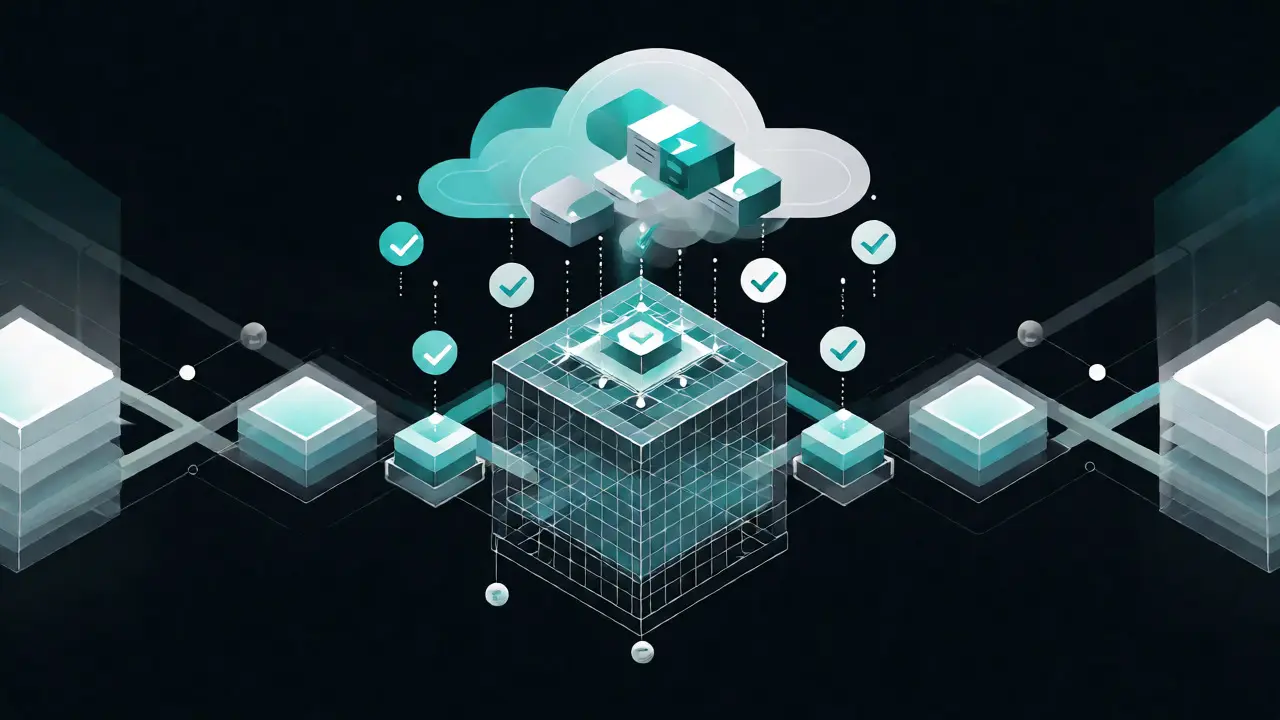
Why would anyone care about NOCK? The tech behind it attempts to solve real problems. Traditional proof-of-work blockchains consume massive electricity for security alone. Nockchain claims to perform "heavyweight computation offchain," meaning complex calculations happen elsewhere, and only the mathematical proof gets recorded on the blockchain. This theoretically reduces congestion and costs while maintaining censorship resistance.
The platform also integrates zero-knowledge proofs. This technology allows transactions to verify without revealing unnecessary details, enhancing privacy. For example, you could prove you have enough NOCK to buy something without broadcasting your entire balance to the world. However, documentation remains sparse. Unlike Ethereum or Solana, which have thousands of developers writing tutorials, Nockchain’s community is smaller. The Nocknote application, a messaging tool authenticated via the Iris wallet extension, is one of the few visible consumer apps using the token.
Risks and Red Flags to Watch
Investing in NOCK isn't like buying Apple stock. It’s speculative. The token operates in a crowded market with over 22,000 cryptocurrencies tracked by CoinGecko. Many of these die within two years. A key metric to watch is utility beyond speculation. If NOCK is only useful for paying fees on Nocknote, its value depends entirely on that app’s growth. Deloitte surveys show only 7.2% of enterprises consider emerging tokens for treasury management, compared to nearly 70% for Bitcoin and Ethereum. That gap highlights how risky niche tokens are.
Another concern is transparency. Public documentation lists the development entity as anonymous. In regulated markets like New Zealand or the US, anonymity can be a double-edged sword. It appeals to cypherpunks but worries institutional investors who demand clear governance structures. Without transparent teams and clear milestones, projects struggle to maintain relevance as regulations tighten globally.
Practical Tips for First-Time Buyers
If you decide to buy NOCK, here is a quick checklist to keep you safe:
- Verify the Contract Address: Scammers create fake tokens with similar names. Always check the official Nockchain website for the correct contract address before sending funds.
- Start Small: Test the withdrawal process with a small amount first. Ensure your wallet accepts NOCK correctly before transferring large sums.
- Check Liquidity Pools: Before placing a market order, look at the depth chart. Thin order books mean your buy order could spike the price temporarily.
- Backup Your Keys: If you move NOCK to a personal wallet, write down your seed phrase on paper. Never store it digitally in plain text.
Frequently Asked Questions
Is there a dedicated "Nocks" cryptocurrency exchange?
No, there is no major exchange named "Nocks." The term usually refers to the Nockchain blockchain or its token, NOCK. You must purchase NOCK on third-party exchanges like OKX or Phemex.
How do I store NOCK safely?
For active trading, keeping NOCK on a reputable exchange like OKX with 2FA enabled is acceptable. For long-term holding, transfer your tokens to a hardware wallet (cold storage) to protect against exchange hacks and give yourself full control over your private keys.
What makes Nockchain different from Bitcoin?
Nockchain uses "useful proof of work," aiming to perform heavy computations off-chain and post only verification proofs to the blockchain. This approach seeks to reduce energy consumption and network congestion compared to traditional proof-of-work systems like Bitcoin.
Can I buy NOCK with credit card?
Most major exchanges listed above support purchasing NOCK via credit/debit cards or bank transfers, subject to KYC (Know Your Customer) verification. Be aware that card purchases often incur higher fees than direct deposits.
Is Nockchain a good investment in 2026?
It is a high-risk, high-reward play. With limited public data on adoption and an anonymous development team, NOCK faces significant competition. Only invest money you can afford to lose, and monitor development activity closely.
Author
Ronan Caverly
I'm a blockchain analyst and market strategist bridging crypto and equities. I research protocols, decode tokenomics, and track exchange flows to spot risk and opportunity. I invest privately and advise fintech teams on go-to-market and compliance-aware growth. I also publish weekly insights to help retail and funds navigate digital asset cycles.