
Crypto Ban in Macedonia: What It Means for Traders and Investors
When we talk about a crypto ban in Macedonia, a regulatory stance where the government restricts or prohibits cryptocurrency transactions and exchanges. Also known as crypto prohibition, it doesn’t mean crypto is illegal to hold—but it does mean you can’t use local banks, exchanges, or payment processors to buy or sell it. Unlike Nigeria or China, where bans sparked underground P2P markets, Macedonia hasn’t issued a formal nationwide ban. But that doesn’t mean crypto is welcome. The Central Bank of the Republic of North Macedonia and the Securities Commission have repeatedly warned citizens about the risks of unregulated digital assets, calling them speculative, volatile, and unbacked by any state authority.
This caution has created a gray zone. You won’t find a licensed crypto exchange, a platform that allows users to trade cryptocurrencies for fiat or other digital assets under official oversight operating legally in Skopje. Local banks block transactions linked to Binance, Kraken, or Coinbase. That pushes traders to use foreign platforms and peer-to-peer tools like LocalBitcoins or Paxful. But here’s the catch: if your bank detects crypto-related activity, they can freeze your account without warning. And if you’re caught using a VPN crypto trading, a method to bypass geographic restrictions on financial services by masking your location to access foreign exchanges, you’re not breaking any law—but you’re also not protected by any law if something goes wrong.
What’s interesting is how this compares to nearby countries. Serbia allows crypto trading with tax reporting. Greece treats it as taxable income. Macedonia? No clear rules, no licenses, no enforcement—just silence. That silence is the real risk. Without official guidance, people trade blindly. Some buy Bitcoin as a hedge against inflation. Others try DeFi protocols like WLFI or TAUR, unaware they’re stepping into unregulated territory with no recourse if a project vanishes. The blockchain legality, the legal status and regulatory framework governing the use of blockchain technology within a country here is effectively undefined, making every trade a gamble—not just on price, but on legality.
So what’s next? If you’re in Macedonia and holding crypto, you’re not alone. But you’re also not protected. There’s no government help if your exchange gets hacked. No consumer rights if a token crashes. No clear tax rules to follow. The posts below show you exactly how people are navigating this space—what tools they use, what risks they ignore, and what lessons they learned the hard way. You’ll see real cases from traders who’ve been flagged by banks, found workarounds, or lost money because no one told them the rules didn’t exist. This isn’t about hype. It’s about survival in a system that refuses to acknowledge you’re even playing the game.
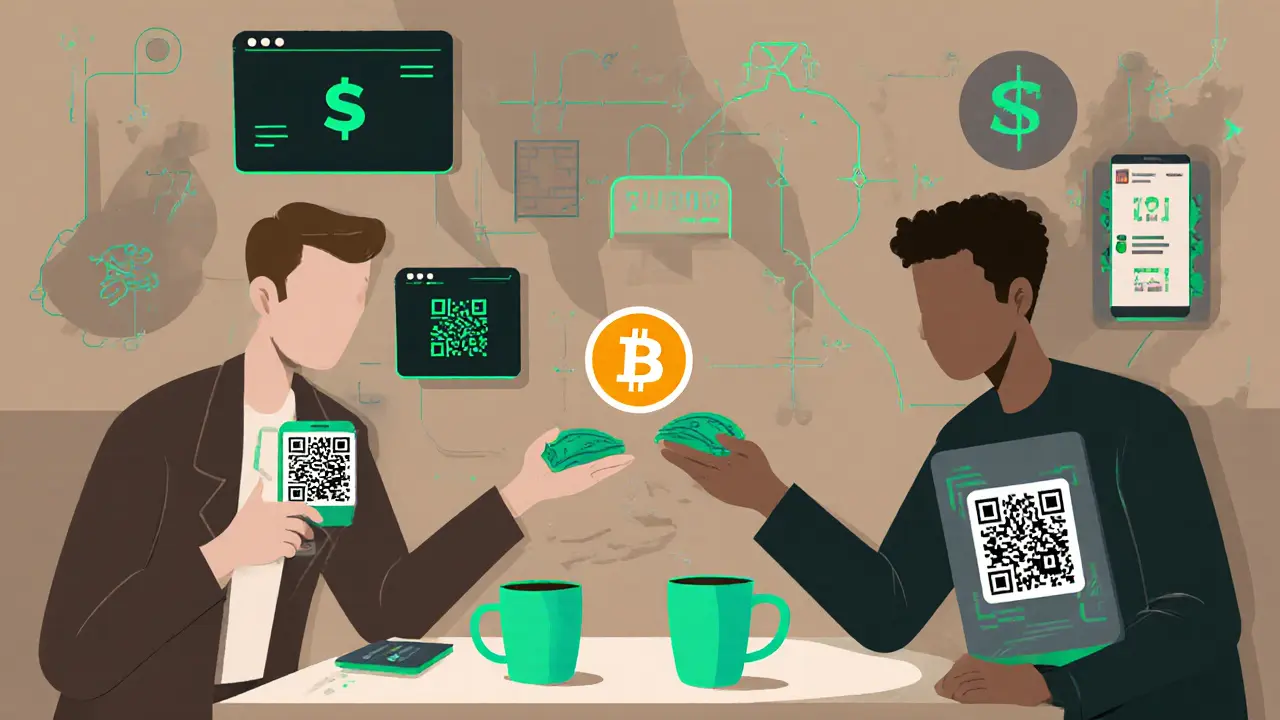
Underground Crypto Trading in North Macedonia: How People Bypass the Ban
Nov 2, 2025, Posted by Ronan Caverly
Despite an official ban since 2017, crypto trading thrives in North Macedonia through P2P platforms and international brokers. Here's how people bypass the rules - and what could change in 2026.
MORESEARCH HERE
Categories
TAGS
- decentralized exchange
- crypto exchange review
- crypto exchange
- crypto coin
- blockchain security
- crypto airdrop guide
- smart contracts
- crypto airdrop
- cryptocurrency
- CoinMarketCap airdrop
- MiCA
- Binance Smart Chain
- crypto compliance
- tokenomics
- DeFi
- cryptocurrency exchange safety
- crypto exchange scam
- cryptocurrency exchange
- micro-cap cryptocurrency
- decentralized trading