
Zero-Knowledge Proofs: Fast, Private, and Trustless
When working with Zero-Knowledge Proofs, cryptographic methods that let one party prove knowledge of a fact without revealing the fact itself. Also known as ZK proofs, it enables privacy and verification in blockchain without exposing raw data.
If you want to see how zero-knowledge proofs are reshaping crypto, keep reading. They sit at the core of a new wave of privacy‑preserving protocols, from confidential transactions to secure identity checks, and they also help blockchains scale by shrinking the amount of data each node must process.
One of the most popular flavors is zk-SNARKs, succinct non‑interactive arguments of knowledge that produce tiny proofs verified instantly. zk‑SNARKs power projects that need fast verification, such as anonymous payments and roll‑up solutions. Because the proof size stays constant regardless of transaction complexity, networks can batch thousands of operations into a single on‑chain step, cutting gas costs dramatically.
Another breakthrough is zk-STARKs, transparent, post‑quantum‑secure proofs that avoid a trusted setup and scale linearly with data size. zk‑STARKs shine where trust‑less setups are mandatory—think public verifiable registries or cross‑chain bridges. Their arithmetic‑heavy proofs can be generated quickly, making them ideal for high‑throughput DeFi platforms that cannot afford the latency of older methods.
Both zk‑SNARKs and zk‑STARKs feed into the broader concept of privacy‑preserving blockchain, a blockchain design that hides transaction details while still allowing full auditability. This design is the backbone of many exchange security upgrades we’ve highlighted in recent articles, such as the privacy‑focused upgrades on Litecoin or the compliance‑friendly features in regulated exchanges. When regulators demand KYC and AML data but users still want confidentiality, zero‑knowledge proofs provide the perfect middle ground.
Why does this matter for everyday traders? Exchange reviews on our site often note how platforms handle data. An exchange that incorporates zero‑knowledge proofs can verify user balances or transaction legitimacy without storing raw personal information, reducing the attack surface for hackers. This directly ties into our coverage of crypto licensing requirements, where privacy‑enhancing tech can help firms meet strict data‑protection mandates while staying competitive.
Several real‑world projects we cover already embed these proofs. The Litecoin MWEB upgrade introduced optional confidential transactions, a move inspired by zero‑knowledge research. Decentralized exchanges like Berrie Dex are experimenting with zk‑rollups to deliver instant swaps without exposing order books. Even airdrop campaigns, such as BonusCake, use zero‑knowledge techniques to confirm eligibility without revealing wallet histories, keeping participants anonymous.
Challenges remain, though. Generating zk‑STARK proofs can be CPU‑intensive, and setting up zk‑SNARKs still requires careful parameter management to avoid security holes. The ecosystem is working on hybrid solutions that blend both approaches, aiming for the best trade‑off between speed, trust‑lessness, and post‑quantum resilience. As more developers adopt these tools, we’ll likely see a surge in privacy‑first DeFi products and regulation‑compliant fintech services.
How Zero-Knowledge Proofs Shape the Articles Below
The collection you’re about to explore reflects how zero‑knowledge technology touches many corners of crypto. From exchange safety reviews to airdrop legitimacy checks, from blockchain scalability debates to privacy‑centric token designs, each post shows a practical angle of the theory we just covered. Whether you’re a trader worried about data leaks, a developer hunting for the right proof system, or simply curious about the future of secure blockchain, the articles below give concrete examples and actionable insights.
Ready to dive into detailed reviews, guides, and analyses that illustrate zero‑knowledge proofs in action? Scroll down and discover how these cryptographic tools are already influencing the market, and how you can leverage them in your own crypto journey.
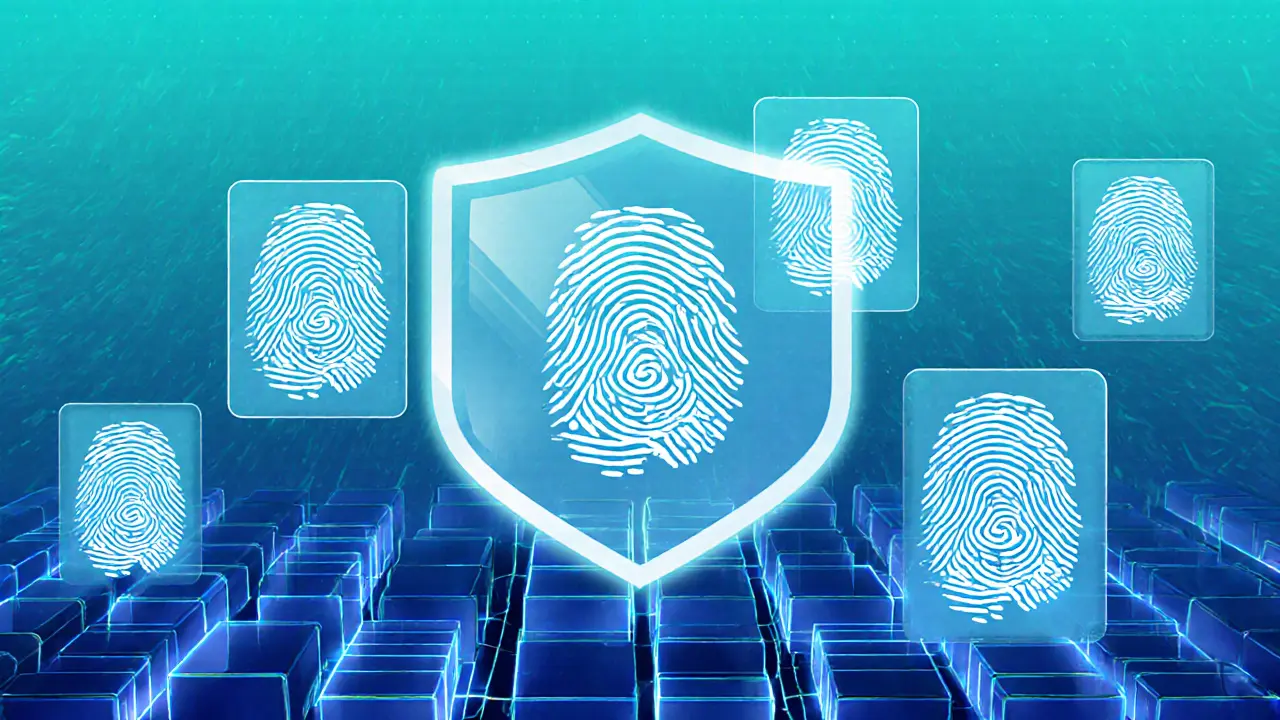
Privacy Protocols on Public Blockchains: How They Protect Your Transactions
Oct 25, 2025, Posted by Ronan Caverly
Explore how privacy protocols like Monero, Zcash, Aztec and Tornado Cash hide transaction details on public blockchains, their cryptographic methods, regulatory challenges, and future trends.
MORESEARCH HERE
Categories
TAGS
- decentralized exchange
- crypto exchange review
- crypto exchange
- crypto coin
- blockchain security
- crypto airdrop guide
- smart contracts
- crypto airdrop
- cryptocurrency
- CoinMarketCap airdrop
- MiCA
- Binance Smart Chain
- crypto compliance
- DeFi
- cryptocurrency exchange safety
- crypto exchange scam
- cryptocurrency exchange
- micro-cap cryptocurrency
- decentralized trading
- cryptocurrency trading