
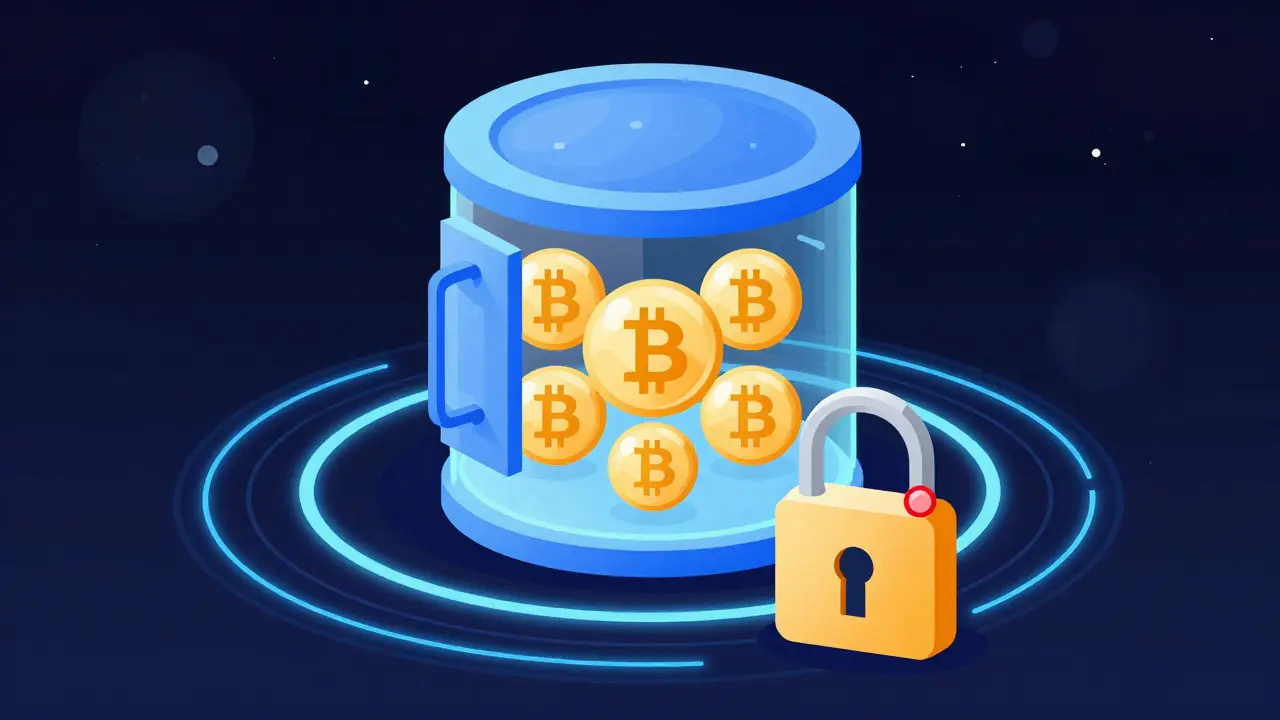
By March 2026, billions of dollars in Bitcoin have quietly vanished into unreachable wallets forever. Experts estimate that between 2.3 million and 4 million bitcoins are permanently lost, representing up to 18% of the total supply. This isn't just a number; it is someone's life savings disappearing because a family member didn't know where the seed phrase was hidden. If you hold cryptocurrency, your wallet keys are more important than a house deed or a bank password, yet standard inheritance laws often struggle to cover them.
This gap created a massive market need for automated security tools known as Dead Man's Switches. These services act as a failsafe. You stay in contact with the service through periodic check-ins. If you disappear-whether due to illness, accident, or incapacitation-the service automatically releases your encrypted instructions to your chosen beneficiaries. Without this layer of planning, millions in crypto assets remain stuck in dormant ledgers indefinitely.
Choosing the right platform matters immensely. A bad service could fail to trigger, leak your secrets to hackers, or go bankrupt before you need it. As we look at the landscape for 2026, the technology has matured significantly. We now have centralized platforms offering convenience, alongside decentralized protocols built on blockchain infrastructure that remove the need to trust a single company. Below, we break down exactly what these services do, how they differ, and which ones provide the best balance of security and reliability for holding your digital wealth.
How a Dead Man's Switch Works
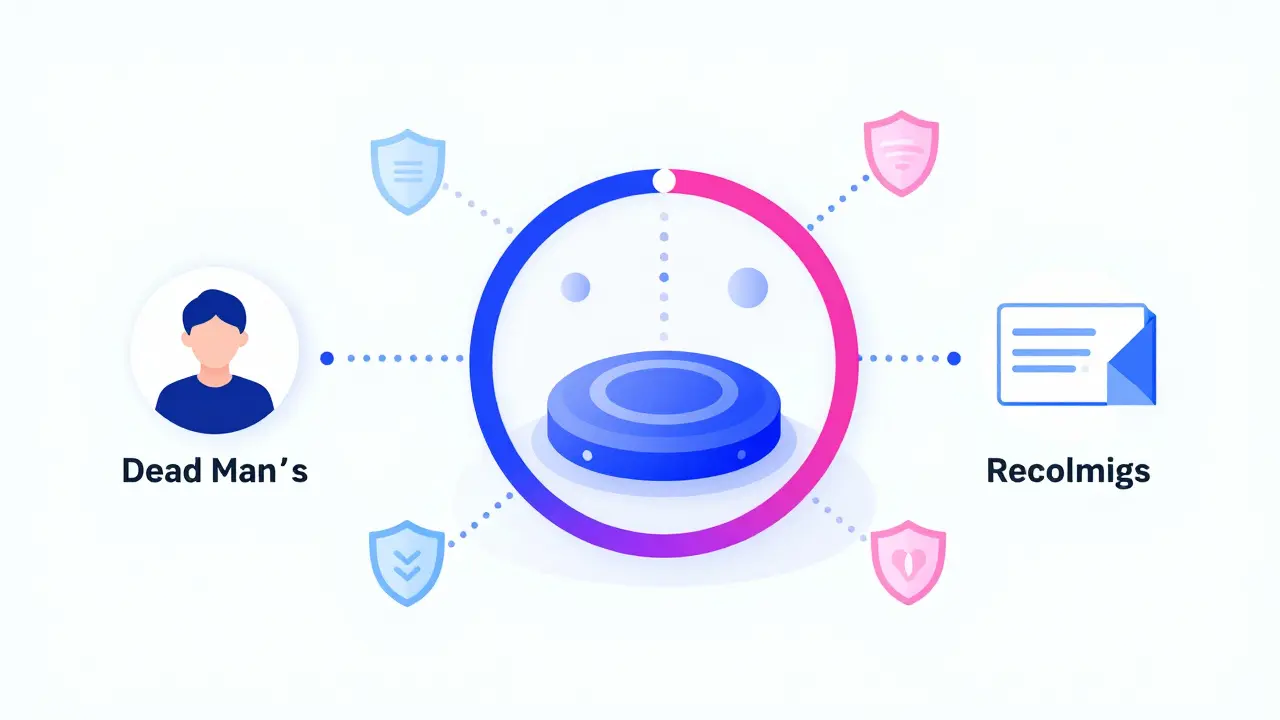
The core logic behind any digital inheritance tool is simple, though the execution varies. At its heart, it is a loop of communication. You tell the system you are alive by logging in, clicking a button, or scanning your face at regular intervals. If the system misses a confirmation within a set time frame-say, 30 days-it escalates.
First, the service might try to ping you via email or SMS. If there is no response after several attempts over weeks or months, the switch trips. This action unlocks pre-written messages, wallet recovery seeds, and access codes stored securely on the platform. These details then get sent to the recipients you designated beforehand.
The critical difference between old-school solutions and modern crypto legacy management lies in encryption. Early services often stored plain text passwords, making them targets for breaches. Modern standards require 256-bit AES encryption or zero-knowledge architecture. This means the service provider never sees your actual seed phrases. Even their own staff cannot decrypt your data without your unique keys.
For cryptocurrency specifically, the stakes are higher. You aren't just sending an email; you are transferring ownership credentials. If the instructions are unclear, your heirs might try to transfer funds to the wrong address, triggering chain limits or losing coins on transaction fees. Therefore, the best services in 2026 allow you to upload step-by-step guides alongside the raw data, ensuring your beneficiary knows exactly how to navigate a hardware wallet or sign a transaction.
Top Services for Crypto Inheritance in 2026
The market has evolved into three distinct categories: centralized safekeepers, decentralized protocols, and hybrid vault systems. Each carries different risk profiles and operational requirements.
Centralized Platforms
Cipherwill remains a dominant player in the centralized space. It functions like a highly secure digital notary. The primary value proposition here is customer support and ease of use. Unlike open-source code that demands technical knowledge, Cipherwill provides a graphical interface where you store files and set triggers.
Cipherwill guarantees delivery of digital assets to beneficiaries through multi-layer encryption. It supports multiple beneficiaries and allows for backup "time capsules." However, relying on a centralized company introduces counterparty risk. If the company ceases operations, the question of data custody becomes complex, even with legal protections in place.
Another established option is EmergencyWP. This service positions itself as a long-term digital safe with over a decade of operational history. It relies heavily on a life validation mechanism that detects user activity patterns rather than just manual logins. While robust, it leans towards general digital asset protection rather than deep blockchain integration.
Decentralized Protocols
Decentralized options eliminate the central point of failure. Sarcophagus, for instance, operates as a DAO on Ethereum and Arweave. Users encrypt seed phrases and assign recipients, but the release logic is handled by a network of nodes rather than a corporate server. This ensures the system runs regardless of who controls the domain name.
The downside can be complexity. Managing smart contract interactions requires a non-custodial wallet and familiarity with gas fees. However, the security model appeals to those who refuse to trust a corporation with their recovery keys.
Hybrid and New Solutions
Newer entrants are blending the best of both worlds. One notable platform gaining traction is Vaulternal. Vaulternal stands out by utilizing a zero-knowledge encryption model where files are encrypted client-side in the browser. This ensures the platform itself never holds the decryption keys.
Unlike purely on-chain solutions that can suffer from high costs, Vaulternal stores the heavy file data on Arweave, a decentralized storage network designed for permanent persistence. Metadata is anchored on the Polygon blockchain, providing verification without the prohibitive fees of Ethereum mainnet. The platform supports multiple trigger types, including inactivity detection and blockchain events, offering flexibility that older services lack.
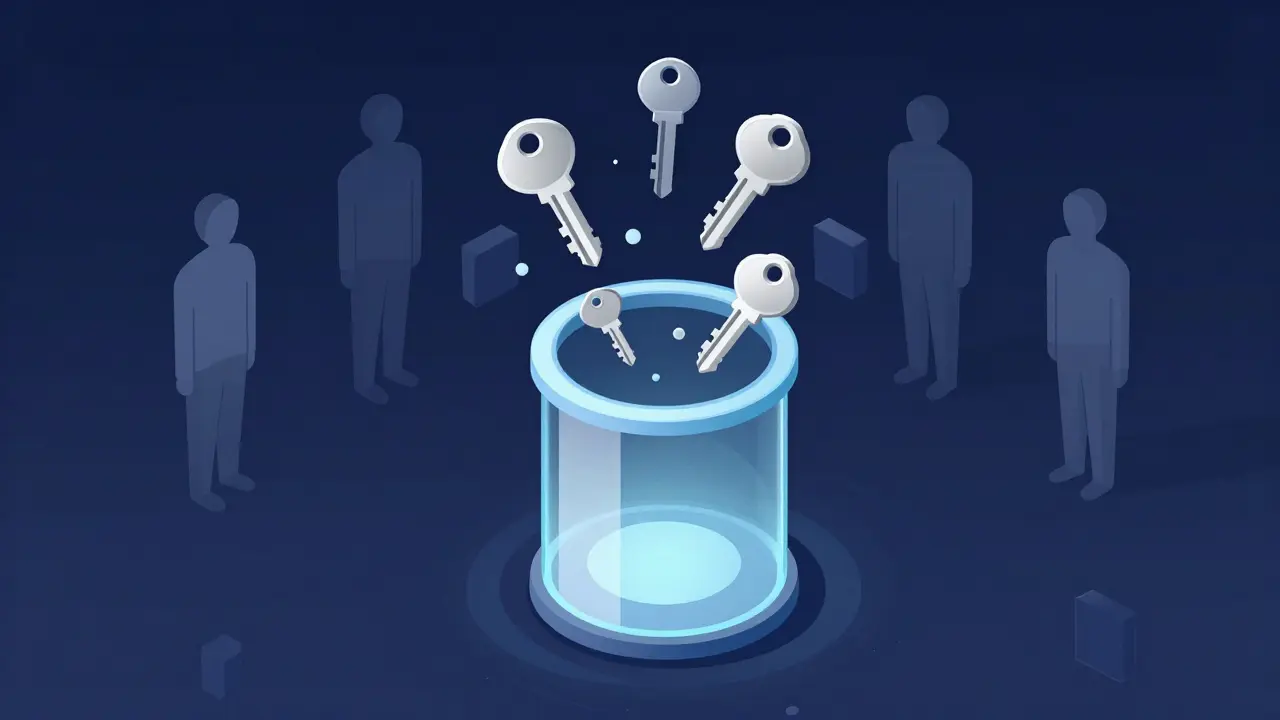
A key differentiator for Vaulternal is the oracle-based architecture. Independent decentralized guardians monitor conditions and release cryptographic shares only when triggers fire. Using Shamir Secret Sharing, the encryption key is split across multiple oracles. No single entity can decrypt the file alone, adding a layer of redundancy that protects against node failures.
Feature Comparison
To help you choose, we've analyzed the top contenders across critical dimensions. Pricing models vary wildly, from free tiers to annual subscriptions, and security methods range from proprietary encryption to public-key cryptography.
| Service Type | Primary Storage | Encryption Method | Cost Model | Key Advantage |
|---|---|---|---|---|
| Cipherwill | Centralized Cloud | Multi-layer AES | Freemium + Paid | User-friendly interface |
| Sarcophagus | Ethereum/IPFS | Zero-Knowledge Proof | Gas Fees + Token | No single point of failure |
| Vaulternal | Arweave / IPFS | secp256k1-ECIES | $9.99/mo + Free Tier | Oracle triggers + Permanent storage |
| Casa | Multisig Hardware | Threshold Signature | Hardware + Subscription | Cold storage focus |
| Vault12 | Distributed Nodes | Quantum-Resistant | Device Cost + Plan | Guardian peer network |
When analyzing this table, consider your comfort level. If you manage a hardware wallet like Ledger or Trezor, a solution like Casa might feel more integrated since it uses multisignature schemes to protect Bitcoin keys. If your strategy involves storing documents, large image backups of keys, or detailed guides, a document-focused system like Vaulternal allows for larger file sizes and flexible file types beyond just seed phrases.
How to Set Up Your Own Switch
Setting up a crypto inheritance plan doesn't have to be overwhelming, but it does require attention to detail. Rushing the process leads to errors that could cost beneficiaries everything later.
- Select a Service: Decide between centralized convenience or decentralized trustlessness. Read the privacy policy carefully. Ensure they use end-to-end encryption.
- Prepare Your Data: Do not just paste a 12-word phrase. Write clear instructions. Include wallet addresses, exchange account names, and two-factor authentication setup details. Make sure the format is foolproof for a non-technical person.
- Configure Triggers: Set your check-in interval. If you are forgetful, choosing a 3-month period with reminders is safer than a 2-week window that might trigger accidentally. Most platforms allow retries and delays to prevent false positives.
- Assign Beneficiaries: Double-check emails. Add secondary contacts. The system should send copies to more than one person so that if one loses their device, the other still has access.
- Test the System: If possible, run a dry run. Create a dummy account with a fake seed phrase to see how the alerts look. This confirms you receive the notifications you expect.
Crucially, update this information regularly. If you change your wallet seed or buy new tokens on a new chain, update the file. A dead man's switch is useless if it points to an empty or abandoned wallet.
Security Considerations
The biggest fear users have is whether the service itself could be hacked. Top-tier providers mitigate this by implementing Homomorphic Encryption or double-layer encryption. With double-layer encryption, you encrypt the file locally before uploading. The platform then applies another layer. Even if the database is breached, attackers get encrypted blobs that are useless without your local key.
Look for services that offer Zero-Knowledge Architecture. This means the company literally does not possess the key to unlock your data. This is the gold standard for crypto security. Without this feature, you are essentially trusting the CEO with your entire net worth.
Storage redundancy is also vital. Relying solely on one server creates a single point of failure. Platforms that distribute data across multiple networks, such as combining cloud storage with blockchain anchoring, offer better longevity guarantees. For instance, storing metadata on a blockchain while keeping payload data on IPFS or Arweave ensures the data persists even if the original website disappears.
Legal Validity of Digital Wills
A common misconception is that setting up a digital switch replaces a legal will. It does not. A dead man's switch handles the logistics of delivering access, but a legal will handles the authority. To make your intentions legally binding, you should reference the existence of the dead man's switch in your physical estate planning documents.
Laws vary by jurisdiction regarding digital assets. Some regions explicitly recognize digital passwords in probate, while others are vague. Consulting with an attorney who understands Blockchain Law is wise. At minimum, write a letter of instruction listing the service provider's name and your account ID, and keep that letter in your official will folder.
Choosing Based on Risk Profile
If you are an average investor with modest holdings, a paid subscription to a reputable centralized service like Cipherwill is likely sufficient. It minimizes technical friction. However, if you are self-hosting sensitive data, running a node, or managing significant institutional assets, a decentralized protocol like Vaulternal or Sarcophagus offers superior control over where and how your data lives.
For those worried about inflation eating up subscription costs, remember that some platforms charge in stablecoins or offer lifetime payments. Vaulternal, for example, maintains a competitive price point starting at $9.99/month for premium features, which includes unlimited storage on Arweave-a significant advantage over competitors who cap file size.
FAQs
Is a dead man's switch legally binding?
A dead man's switch itself is a digital tool, not a legal document. To ensure legal validity, it should be referenced in a formal last will and testament. This combination grants the executor permission to use the digital switch to access the assets.
Can my service provider see my crypto keys?
Not with zero-knowledge services. Providers using client-side encryption do not have access to your seed phrases or private keys. They only store the encrypted file that you upload. Always verify the privacy policy states they cannot decrypt your data.
What happens if I forget to check in?
Most services have a grace period and escalation protocols. They may email or call you before triggering the final release. You can usually pause or reset the timer easily by logging in to confirm you are still active.
Which is better: Centralized or Decentralized?
Centralized services offer better support and simpler interfaces. Decentralized services offer censorship resistance and no single point of failure. If you trust a company's uptime, go centralized. If you prioritize autonomy and security, choose decentralized.
Do I need to pay monthly fees forever?
Some services offer lifetime payments to avoid recurring fees. Others operate on a monthly model. For 2026, many platforms like Vaulternal offer tiered plans starting at $9.99/month, balancing ongoing infrastructure costs with accessibility.
Final Thoughts
The risk of permanent asset loss is real, but it is manageable with the right tools. By 2026, the technology exists to ensure your children or beneficiaries don't lose billions because of a forgotten password. Whether you choose a managed platform or a decentralized protocol, the priority is getting started. Do not wait until something happens to set this up. Secure your legacy today.


Author
Ronan Caverly
I'm a blockchain analyst and market strategist bridging crypto and equities. I research protocols, decode tokenomics, and track exchange flows to spot risk and opportunity. I invest privately and advise fintech teams on go-to-market and compliance-aware growth. I also publish weekly insights to help retail and funds navigate digital asset cycles.