
Have you ever scrolled through a list of thousands of cryptocurrencies and wondered what that tiny, unfamiliar ticker symbol was doing there? You might have stumbled upon PAC Protocol, trading under the ticker PAC. It’s one of those projects that has been around since the early days of the crypto boom but never quite made it to the mainstream headlines. If you are looking for the next Bitcoin or Ethereum, PAC probably isn’t it. But if you are curious about how small, niche blockchain networks operate-or why they struggle to survive in today’s market-PAC offers a fascinating case study.
This article breaks down exactly what PAC Protocol is, how its technology works, and whether it holds any real value for investors in 2026. We will look past the marketing hype and examine the cold, hard data regarding its price, liquidity, and technical infrastructure.
The Core Concept: What is PAC Protocol?
PAC Protocol is a decentralized cryptocurrency project established in 2017 that aims to provide blockchain network solutions using an energy-efficient Proof of Stake consensus mechanism. The project positions itself as a solution for real-world problems by leveraging a massive network of distributed nodes. Unlike Bitcoin, which relies on miners burning electricity to secure the network, PAC uses a different approach to keep things running smoothly.
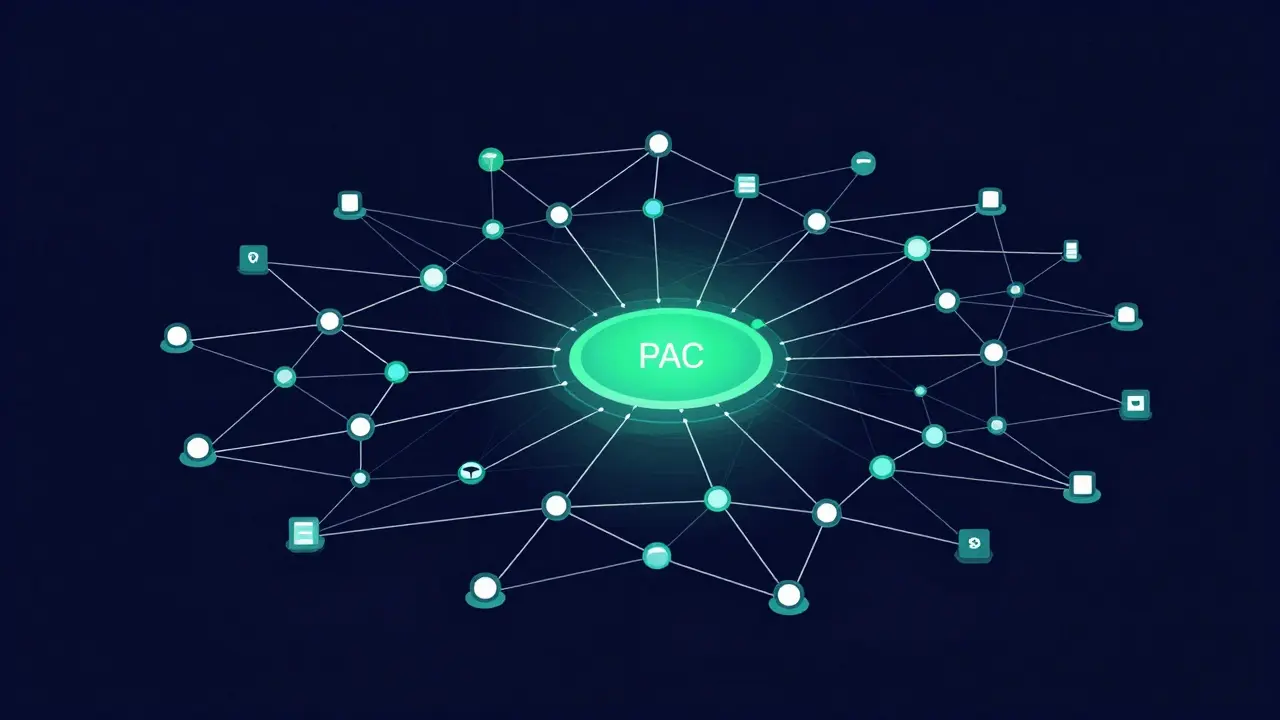
The central idea behind PAC is decentralization through masternodes. Think of masternodes as supercharged wallets that help validate transactions and govern the network. In return for locking up their coins to run these nodes, operators earn rewards. PAC claims to have one of the largest truly decentralized masternode networks globally, with over 13,000 active nodes spread across the world. This is a significant number compared to some older competitors like Dash, which typically operates around 5,000 nodes. However, having many nodes doesn't automatically mean the project is successful; it just means the entry barrier for participation was low enough to attract them.
The project is managed by a team based in the United States, led by CEO David Gokhshtein and Chairman Drew Saunders. Their stated goal has always been to create a sustainable, eco-friendly blockchain alternative. While the ambition sounds noble, the execution has faced significant hurdles, particularly in gaining actual usage beyond speculative trading.
How the Technology Works: Masternodes and Proof of Stake
To understand PAC, you need to understand its dual-layer architecture. This combines Proof of Stake (PoS) is a consensus algorithm where validators secure the network by locking up their own cryptocurrency rather than using computational power with deterministic masternodes. Here is how that translates into practice:
- Energy Efficiency: Because PAC uses PoS, it consumes significantly less electricity than Proof of Work systems like Bitcoin. This was a major selling point during the environmental debates of the late 2010s and early 2020s. For users who care about the carbon footprint of their investments, this is a checkmark in the right column.
- Masternode Rewards: To run a masternode on the PAC network, you need to lock up a specific amount of PAC tokens. According to documentation from PACGlobal.io, this requirement is approximately 10,000 PAC tokens per node. When you meet this threshold, your node becomes part of the validation process, and you receive transaction fees and block rewards.
- Distribution: The network supports roughly 13,000 active masternodes. This high number suggests that the token supply is widely distributed among holders willing to stake their assets. However, it also indicates that the individual value of each node reward is likely very small, given the total market size.
The technical setup is straightforward for anyone familiar with basic cryptocurrency wallet management. You buy PAC, send it to a designated address, and configure your software to act as a masternode. The learning curve is moderate for novices, but the financial barrier to meaningful participation-running multiple nodes to generate noticeable income-is relatively high due to the low price per token.
Market Reality: Price, Liquidity, and Rankings
Let’s talk numbers, because they tell a starkly different story than the technological promises. As of mid-2026, PAC Protocol occupies an extremely niche position in the cryptocurrency ecosystem. Its market capitalization hovers around $60,000, ranking it #8193 or lower among all digital assets. To put that in perspective, Bitcoin’s market cap is in the trillions, and even mid-tier altcoins often exceed $100 million. PAC is firmly in the "micro-cap" territory, representing less than 0.0001% of the total crypto market.
| Metric | Value / Status |
|---|---|
| All-Time High | $0.01888 (March 24, 2021) |
| All-Time Low | $0.061431 (October 10, 2017 - Note: Historical anomaly) |
| Current Price Range | $0.00000329 - $0.00000374 |
| 24-Hour Trading Volume | ~$545 (Extremely Low) |
| Active Exchanges | 3 (FinexBox, StakeCube, Graviex) |
| Market Cap Rank | #8193+ |
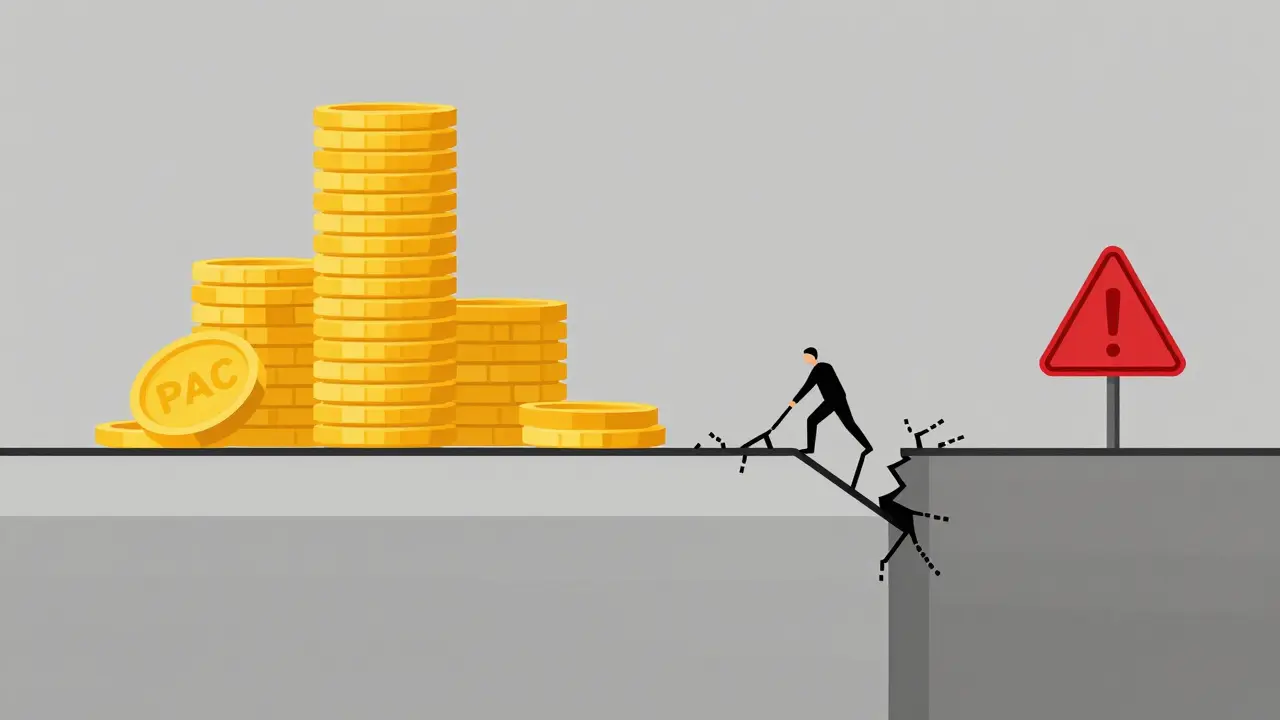
The most concerning metric here is liquidity. With a daily trading volume of only around $545, buying or selling significant amounts of PAC is nearly impossible without causing massive price slippage. If you tried to sell $100 worth of PAC, you could easily drop the price by 10-15% because there simply aren’t enough buyers waiting in the order books. This makes PAC highly illiquid and risky for anyone looking to enter or exit a position quickly.
Price volatility is another factor. The token has experienced sharp declines, including a 16.54% drop in a single 24-hour period in recent historical data. For a micro-cap coin, this level of volatility is typical, but it underscores the speculative nature of the asset. There is no stable demand from merchants or enterprises to anchor the price.
Community and Development Activity
A healthy cryptocurrency project needs an active community and consistent development updates. Unfortunately, PAC Protocol shows signs of stagnation. The official Reddit community, r/PACGlobalOfficial, has only about 1,253 members, with minimal daily activity. Compare this to r/ethereum, which boasts over a million members, and the gap is obvious. On Twitter, the official account has around 18,400 followers, but engagement rates are abysmal-averaging 0.2% per tweet, far below the industry standard of 2-3% for viable projects.
From a development standpoint, the GitHub repository for PAC shows limited activity. Recent commits are mostly minor security patches, with no major protocol upgrades since 2021. The project roadmap mentioned features like "enhanced privacy protocols" and "cross-chain interoperability," but these remain vague promises without concrete timelines or implementations. In the fast-moving world of blockchain, two years of silence is effectively death for many projects.
User feedback from platforms like StakeCube Exchange forums highlights common complaints: difficulty purchasing substantial amounts due to slippage, lack of customer support responsiveness, and a general sense that the project is stuck in maintenance mode. There are no documented success stories of businesses using PAC for payments or smart contracts, which leaves the token without a clear utility beyond holding and staking.

Risks and Viability: Is PAC Worth Your Attention?
If you are considering investing in PAC Protocol, you need to be aware of the severe risks involved. Industry analysts and reports from firms like Messari suggest that micro-cap cryptocurrencies with market caps below $100K face an existential risk. Exchange listing fees are rising, and regulatory scrutiny is intensifying. Projects that cannot demonstrate real-world utility or maintain sufficient liquidity often get delisted from exchanges, leaving holders with worthless tokens.
Here are the key risks to consider:
- Liquidity Trap: You may buy PAC, but you might not be able to sell it later without taking a huge loss. The lack of buyers means your investment is locked in.
- Regulatory Uncertainty: PAC has not been addressed in major regulatory frameworks like the EU’s MiCA regulations. As governments crack down on unregistered securities, small projects are often the first to fall.
- Opportunity Cost: Money tied up in PAC could potentially yield better returns in more established projects with stronger communities, active development, and higher liquidity.
- Developer Abandonment: With minimal code updates and no clear strategic direction from leadership, there is a risk that the project could cease operations entirely.
While PAC’s energy-efficient design is technically sound, the business model fails to attract users or capital. It competes with larger masternode projects like Horizen and PIVX, both of which have significantly higher market caps and more active ecosystems. PAC lacks the network effects required to sustain growth in a competitive market.
Conclusion: A Cautionary Tale in Crypto
PAC Protocol serves as a reminder that not every cryptocurrency launched during the 2017 boom survives the test of time. It has interesting technical foundations, particularly its large masternode network and eco-friendly consensus mechanism. However, the lack of liquidity, minimal development activity, and negligible community engagement make it a high-risk, low-reward asset. For most investors, it is safer to stick with established projects that have proven track records and robust ecosystems. If you do decide to explore PAC, treat it as a speculative experiment rather than a serious investment, and never put in more than you can afford to lose completely.
What is the current price of PAC Protocol?
As of mid-2026, PAC Protocol trades at approximately $0.00000345. However, prices fluctuate wildly due to extreme illiquidity, with 24-hour ranges often spanning between $0.00000329 and $0.00000374.
Is PAC Protocol a good investment in 2026?
Most experts would advise against it. With a market cap under $60,000 and daily trading volumes of only ~$545, PAC is considered a high-risk micro-cap asset. The lack of liquidity makes it difficult to sell, and there is little evidence of future growth or adoption.
How do I buy PAC coins?
You typically need to buy Bitcoin or Ethereum on a major exchange first, then transfer it to smaller decentralized exchanges like FinexBox, StakeCube, or Graviex where PAC is listed. Be prepared for high slippage and limited availability.
What is the difference between PAC and Bitcoin?
Bitcoin uses Proof of Work, which requires significant computing power and energy. PAC uses Proof of Stake, which is much more energy-efficient. Additionally, PAC relies on masternodes for governance and validation, whereas Bitcoin relies on miners.
Why is PAC Protocol so cheap?
The low price reflects its tiny market capitalization and lack of demand. With only a few hundred dollars traded daily, there is no institutional interest or widespread retail adoption to drive the price up. It is also diluted by a large circulating supply distributed among thousands of masternodes.
Author
Ronan Caverly
I'm a blockchain analyst and market strategist bridging crypto and equities. I research protocols, decode tokenomics, and track exchange flows to spot risk and opportunity. I invest privately and advise fintech teams on go-to-market and compliance-aware growth. I also publish weekly insights to help retail and funds navigate digital asset cycles.