
There’s a lot of noise around airdrops these days, but if you’ve heard about the CBSN BlockSwap Network StakeHouse NFT airdrop, you’re probably wondering: is this real? Is there even an NFT drop happening? And if so, how do you get in? Let’s cut through the confusion with straight facts - no hype, no fluff.
First off: there is no confirmed StakeHouse NFT airdrop from BlockSwap Network as of March 2026. Not one. Not a single NFT has been minted, distributed, or announced for public claim. If you saw a tweet, Discord post, or Telegram channel claiming otherwise, it’s likely a scam. BlockSwap has never released an NFT collection tied to StakeHouse, and their official channels have never mentioned one.
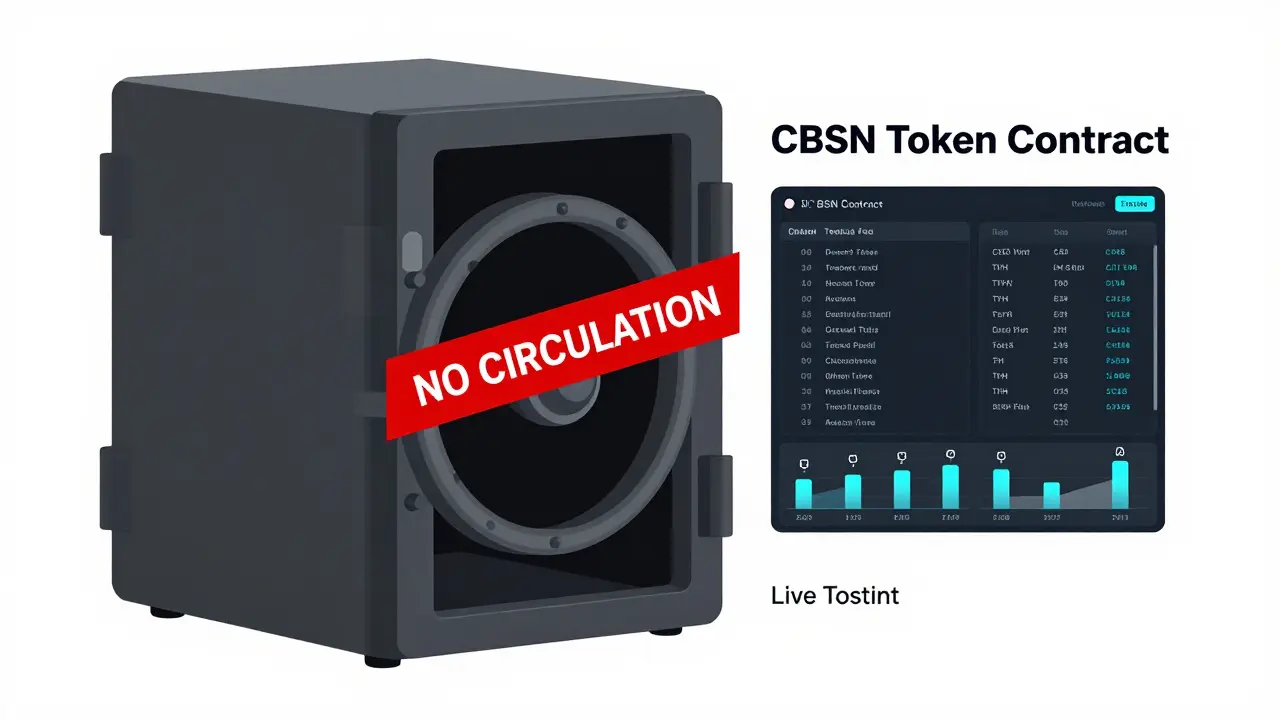
So where did this rumor come from? It’s tangled up with something real: the CBSN token and the StakeHouse protocol. BlockSwap Network launched its native token, CBSN, back in April 2021. The total supply is capped at 5 billion tokens, but here’s the catch - zero CBSN tokens are currently in circulation. That’s not a typo. Despite the TGE (Token Generation Event) happening over five years ago, no tokens have been released to the public. The contract exists on Ethereum - 0x7d4B...F6B25B - but it’s empty. No trades. No wallets holding it. Nothing.
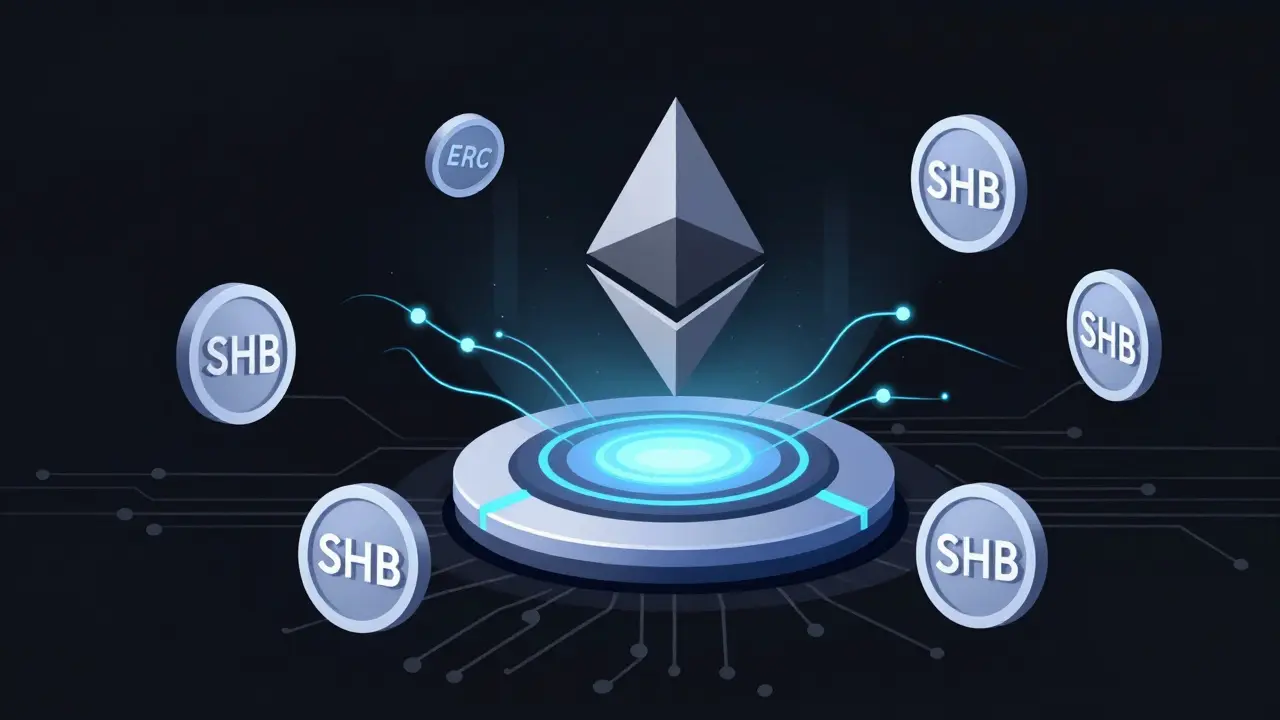
Meanwhile, StakeHouse is BlockSwap’s real innovation. It’s not an NFT project. It’s a decentralized liquid staking platform built for Ethereum Proof of Stake. Think of it like this: you stake your ETH, and instead of locking it up for months, you get a liquid token - called a SHB (StakeHouse Batch) - that represents your staked ETH. You can trade, lend, or use that SHB token like any other ERC-20 asset while still earning staking rewards. It’s designed to make Ethereum staking simple for regular people, not just crypto whales.
SHB tokens are currently not listed on any exchange. They’re only used internally by BlockSwap to stress-test their system. Think of them like beta software: they’re running live on CommunityNet, simulating real-world conditions, but you can’t buy or sell them. And no, they’re not NFTs. They’re fungible tokens. No rarity. No artwork. No digital collectibles.
There was a small token airdrop in the past - $2,500 worth of CBSN - but it was only for participants in the StakeHouse CommunityNet. That’s a private test group. You didn’t just sign up on a website. You had to be invited, run a node, and actively help test the protocol. Even then, those tokens were never distributed. The project still hasn’t moved forward with releasing CBSN to the public.
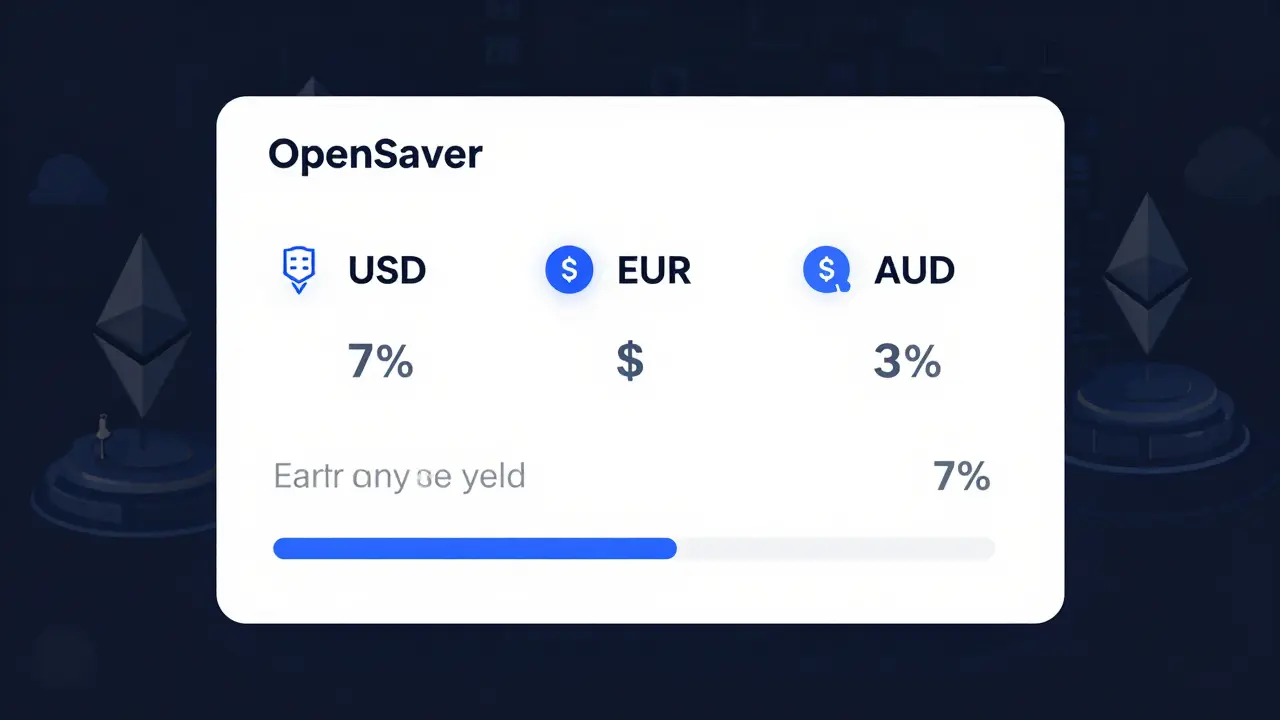
BlockSwap isn’t sitting idle. They’ve raised $7 million across four funding rounds. Their smart contracts have been audited by top security firms: Halborn, Solidified, Runtime Verification, and Certora. Their OpenSaver product lets users earn 7% USD yield on any fiat currency without touching crypto. That’s a big deal. But none of this involves NFTs.
If you’re looking for real opportunities in the BlockSwap ecosystem, here’s what actually matters:
- Watch their official blog and Twitter for CBSN release updates - not NFT drops.
- Join the CommunityNet if you’re a developer or node operator - that’s where real testing happens.
- Use OpenSaver if you want yield on USD, EUR, or AUD without crypto risk.
- Ignore any NFT marketplace claiming to sell StakeHouse NFTs - they’re fake.
There’s a pattern here. Many DeFi projects launch with a promise of NFTs to build hype, then pivot to real utility. BlockSwap never made that promise. They’ve been quiet, focused, and technical. No flashy NFT art. No influencer shilling. Just code audits, testnets, and infrastructure.
That’s rare in crypto. Most teams chase viral airdrops. BlockSwap is building plumbing for Ethereum’s future. They’re the behind-the-scenes team that lets other apps run staking services without reinventing the wheel. If you’re a developer, they’re worth watching. If you’re an investor waiting for an NFT drop - you’re waiting for something that doesn’t exist.
And here’s the bottom line: if someone asks you to connect your wallet, pay a gas fee, or share your seed phrase to claim a StakeHouse NFT - don’t do it. That’s how you lose your funds. Real airdrops don’t ask for money. Real projects don’t use Discord bots to verify you. And real NFTs are announced through official channels - not memes or TikTok videos.
BlockSwap Network’s future isn’t in collectibles. It’s in making staking simple, secure, and accessible. The CBSN token may one day be released. The StakeHouse protocol may one day go fully live. But NFTs? Not part of the plan.
What’s Actually Happening With BlockSwap Network Right Now?
As of early 2026, BlockSwap is deep in its third year of running CommunityNet - a live test environment for StakeHouse. Thousands of simulated ETH deposits are being processed through their smart contracts every day. This isn’t theory. It’s real data. Real stress tests. Real performance metrics.
Their goal? To prove that their system can handle 100,000+ concurrent stakers without failure. That’s the kind of scale needed to become the backbone of Ethereum’s liquid staking ecosystem. They’re not trying to sell you a digital monkey. They’re trying to build a system that could one day power millions of stakers.
Their OpenSaver product is live and operational. It’s not a crypto product. It’s a savings account that pays 7% annually in USD - backed by staked ETH and automated market mechanisms. No volatility. No crypto exposure. Just yield. That’s the kind of innovation that could bring real users into DeFi - not NFT speculators.
Why You Shouldn’t Believe the Airdrop Rumors
Let’s break down why the StakeHouse NFT airdrop story keeps popping up:
- Copy-paste scams: Scammers reuse old airdrop templates from other projects. If you’ve seen “StakeHouse NFT” on five different sites, it’s the same fake page.
- Confusion with SHB tokens: Some people mistake SHB (StakeHouse Batch) tokens for NFTs because they’re unique to the protocol. But they’re not NFTs. They’re ERC-20s.
- SEO spam: Websites are ranking for “BlockSwap NFT airdrop” to steal clicks. They don’t care if it’s true. They just want ad revenue.
- Missing context: BlockSwap did run a token airdrop in 2022 - but only for testers. No NFTs. No public access. No announcement beyond their private Discord.
Check the official sources. Visit blockswap.network. Read their docs. Look at their GitHub. If they were doing an NFT drop, it would be front and center. It’s not. Because it’s not happening.
How to Stay Safe in DeFi Airdrops
If you’re serious about participating in legitimate airdrops, here’s how:
- Only interact with projects that have public, audited contracts.
- Never connect your main wallet to unknown sites.
- Use a burner wallet with $10 or less for testing.
- Never pay gas fees to claim an airdrop - real ones are free.
- Verify announcements on the project’s official blog, not Twitter or Telegram.
BlockSwap has never asked anyone to pay to claim CBSN. They’ve never released an NFT. They’ve never hosted a public airdrop. If you’re seeing otherwise, you’re being targeted.
What Comes Next for BlockSwap?
The next milestone isn’t an NFT drop. It’s the public launch of CBSN. That’s the real event to watch. When CBSN finally enters circulation, it will likely be through a phased release - first to early testers, then to liquidity providers, then to the general public.
There’s no timeline. No date. But when it happens, it’ll be announced in a detailed blog post - not a meme.
For now, the only thing you can do is monitor their progress. Follow their GitHub. Read their audit reports. Watch for updates on their official channels. And ignore everything else.


Author
Ronan Caverly
I'm a blockchain analyst and market strategist bridging crypto and equities. I research protocols, decode tokenomics, and track exchange flows to spot risk and opportunity. I invest privately and advise fintech teams on go-to-market and compliance-aware growth. I also publish weekly insights to help retail and funds navigate digital asset cycles.