
Crypto Volatility: What Causes It and How to Navigate the Wild Swings
When you hear crypto volatility, the rapid and often unpredictable price changes in digital assets. Also known as cryptocurrency price swings, it's not a bug—it's the system working as designed. Unlike stocks tied to earnings reports or bonds backed by governments, crypto prices dance to the rhythm of memes, regulatory tweets, and whale wallets. This isn't speculation—it's the reality of a market with no central authority, no historical benchmarks, and no safety nets.
What makes altcoin volatility, the extreme price swings seen in smaller cryptocurrencies compared to Bitcoin. Also known as altcoin price swings, it's often ten times worse than Bitcoin's movements. Why? Low liquidity. If only $2 million is trading daily in a coin, a single $500,000 buy order can spike the price 30%. That’s not manipulation—it’s math. Compare that to Bitcoin, where billions move daily, and you see why BTC is the anchor and altcoins are the surfers riding every wave. Then there’s blockchain price fluctuations, how underlying network events like upgrades, hacks, or adoption milestones trigger price reactions. Also known as crypto market reactions, they’re the hidden drivers behind the noise. When Monero added a privacy upgrade, its price jumped. When Caduceus failed to launch its metaverse, CMP tokens crashed. These aren’t random—they’re direct cause-and-effect.
And let’s not ignore the human factor. When Nigeria banned crypto in 2021, P2P trading didn’t disappear—it exploded. In Iran, traders use VPNs to bypass restrictions, making demand surge overnight. In North Macedonia, people trade crypto underground because the ban just made it more attractive. These aren’t edge cases—they’re textbook examples of how regulation, fear, and access shape volatility. Even a single tweet from a big name can trigger a 15% drop in a small-cap token. That’s the power of attention in a 24/7 market with no closing bell.
You’ll find posts here that show you exactly how this plays out in real life. Some track failed airdrops where tokens dropped to fractions of a cent—not because they were scams, but because the hype vanished overnight. Others reveal how underground markets in China and Russia keep trading alive despite bans, feeding volatility through secrecy and scarcity. You’ll see how small coins are sitting ducks for 51% attacks, how stablecoins like USD1 try to calm the storm, and why some traders thrive while others get wiped out. This isn’t theory. It’s what happens when money moves fast, without rules, and everyone’s watching.
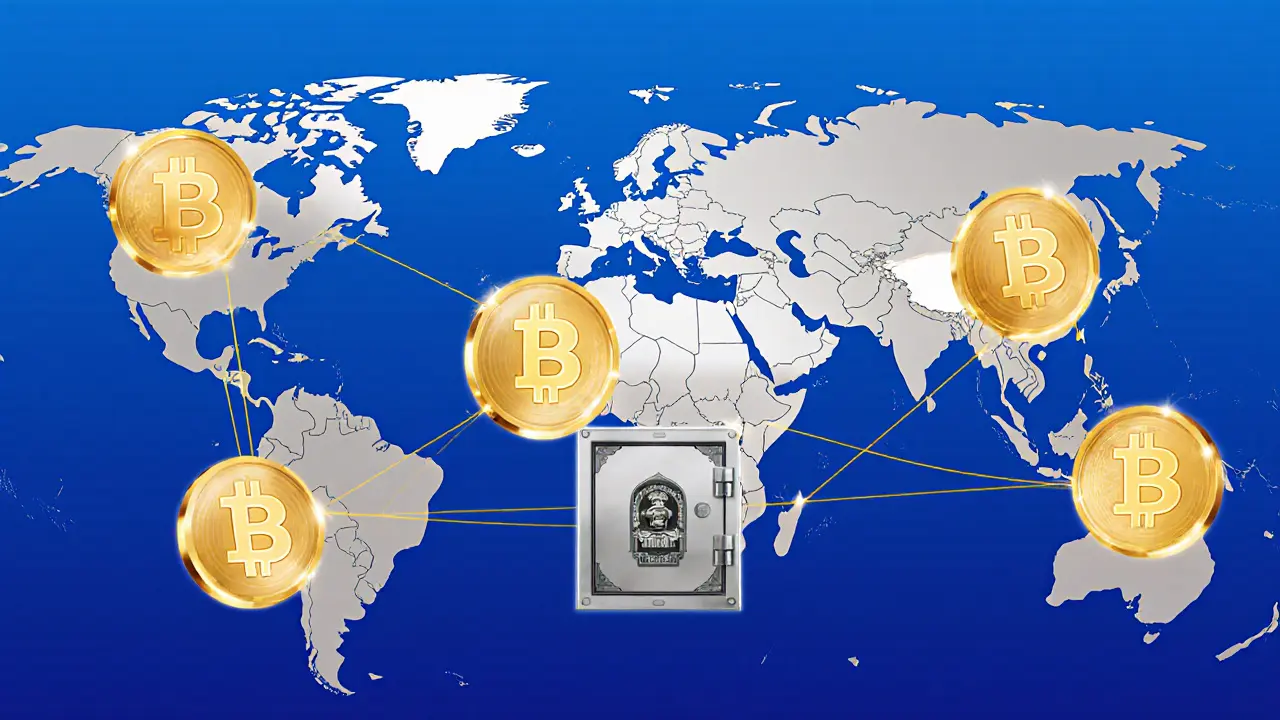
Stablecoins: How They Solve Crypto’s Biggest Problem
Nov 4, 2025, Posted by Ronan Caverly
Stablecoins solve crypto's biggest problem-volatility-by staying pegged to real assets like the U.S. dollar. They're used for fast, cheap transfers, trading safety, and global payments. Not all are equal-transparency and reserves matter.
MORESEARCH HERE
Categories
TAGS
- decentralized exchange
- crypto exchange review
- crypto exchange
- crypto coin
- blockchain security
- crypto airdrop guide
- smart contracts
- crypto airdrop
- cryptocurrency
- CoinMarketCap airdrop
- MiCA
- Binance Smart Chain
- crypto compliance
- DeFi
- cryptocurrency exchange safety
- crypto exchange scam
- cryptocurrency exchange
- micro-cap cryptocurrency
- decentralized trading
- cryptocurrency trading