
Crypto Trading in North Macedonia: Rules, Platforms, and Real Risks
When you trade crypto trading North Macedonia, the practice of buying, selling, or holding digital currencies like Bitcoin and altcoins within North Macedonia’s legal and financial environment. Also known as digital asset trading in the Balkans, it’s not just about picking coins—it’s about navigating a country where banks still treat crypto with caution, but people find ways to trade anyway.
North Macedonia doesn’t ban crypto, but it also doesn’t officially regulate it. That gray zone means you won’t find a licensed local exchange like Binance or KuCoin operating under Macedonian law. Instead, traders rely on global platforms that accept local bank transfers or P2P deals. Many use P2P crypto North Macedonia, peer-to-peer marketplaces where users trade directly without intermediaries. Also known as local crypto trading, this method lets people buy Bitcoin with Macedonian denars through platforms like LocalBitcoins or Paxful, often via bank transfers or even cash meetups. It’s messy, but it works. You’ll see traders on Facebook groups and Telegram channels sharing tips on avoiding bank flags—like splitting large transfers or using specific payment descriptions. The real challenge isn’t finding crypto—it’s moving money in and out without triggering anti-money laundering alerts.
What about taxes? North Macedonia doesn’t have clear crypto tax laws yet, but the tax authority treats digital assets as property. That means if you sell Bitcoin for a profit, you could owe capital gains tax—even if you didn’t convert it to euros or denars. Most traders ignore this, but audits are coming. The country’s financial system is slowly catching up to the rest of Europe, and regulators are watching how crypto use grows. You’ll also notice that crypto exchanges North Macedonia, global platforms accessible to users in North Macedonia. Also known as international crypto platforms, they’re the backbone of trading here. But not all work smoothly: some block Macedonian IPs, others freeze accounts if they detect suspicious activity. That’s why traders stick to a few trusted ones like Binance, Bybit, or MEXC—platforms that accept local payment methods and have strong customer support.
There’s no official government crypto education program, so most people learn from YouTube, Reddit, or friends. That’s why scams creep in. Fake airdrops, fake exchanges, and phishing sites target new traders who don’t know how to verify a URL or check a wallet address. The same tools that make crypto powerful—decentralization, anonymity, global access—also make it dangerous without basic security habits. Use hardware wallets. Never share your seed phrase. Double-check every transaction. These aren’t just tips—they’re survival rules in a market with zero legal safety nets.
What you’ll find in the posts below are real stories and facts from people trading crypto in North Macedonia and similar markets. You’ll see how traders in Serbia, Albania, and Bulgaria handle the same challenges. You’ll learn which exchanges actually work, how to avoid bank blocks, and what happens when you get caught in a scam. No fluff. No hype. Just what you need to trade safely and stay out of trouble.
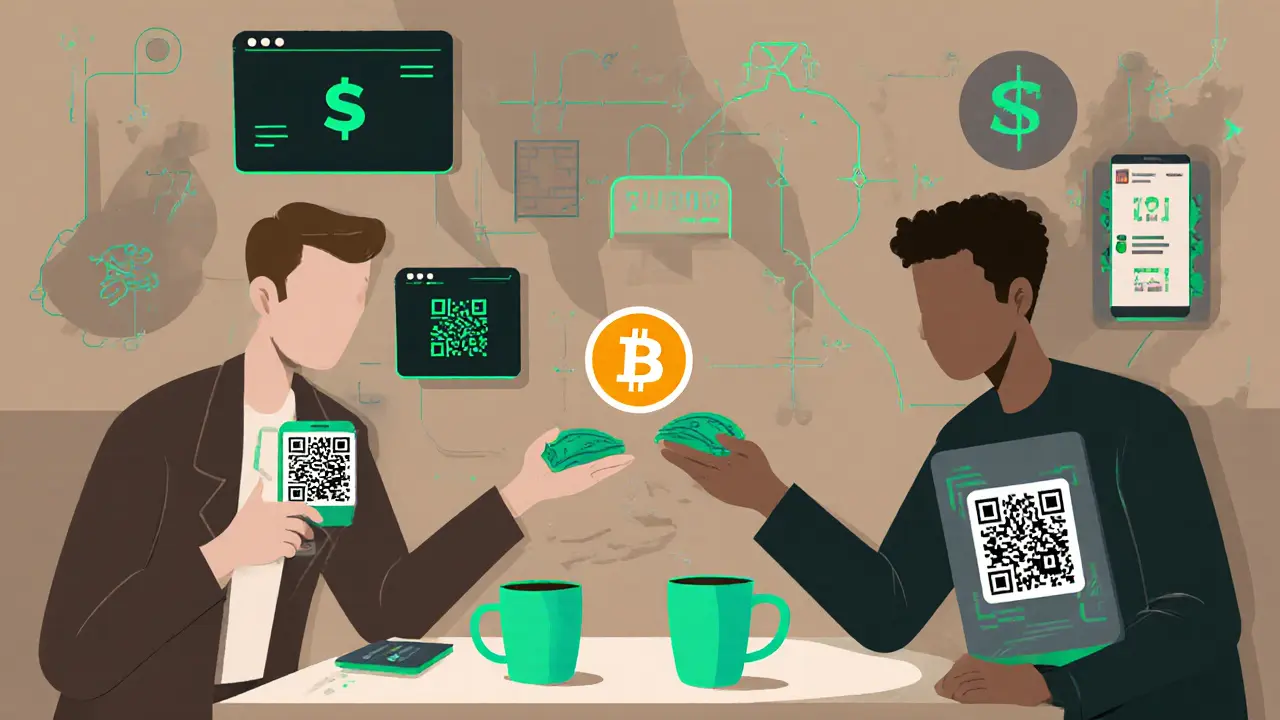
Underground Crypto Trading in North Macedonia: How People Bypass the Ban
Nov 2, 2025, Posted by Ronan Caverly
Despite an official ban since 2017, crypto trading thrives in North Macedonia through P2P platforms and international brokers. Here's how people bypass the rules - and what could change in 2026.
MORESEARCH HERE
Categories
TAGS
- decentralized exchange
- crypto exchange review
- crypto exchange
- crypto coin
- blockchain security
- crypto airdrop guide
- smart contracts
- crypto airdrop
- cryptocurrency
- CoinMarketCap airdrop
- MiCA
- Binance Smart Chain
- crypto compliance
- DeFi
- cryptocurrency exchange safety
- crypto exchange scam
- cryptocurrency exchange
- micro-cap cryptocurrency
- decentralized trading
- cryptocurrency trading