
Underground Crypto: How Hidden Markets Keep Crypto Alive When Bans Hit
When governments ban crypto, the market doesn’t die—it goes underground crypto, a network of peer-to-peer trading, cash deals, and encrypted platforms that operate outside official channels. It’s not a fringe curiosity—it’s how millions in Nigeria, China, and Russia still buy Bitcoin, send remittances, and protect their savings when banks and exchanges are blocked. This isn’t about breaking the law—it’s about staying financially alive when the system shuts the door.
One of the biggest drivers of underground crypto is P2P crypto trading, a system where buyers and sellers connect directly, often using local currency, without a middleman exchange. peer-to-peer crypto platforms like LocalBitcoins, Paxful, and Telegram groups became lifelines during Nigeria’s 2021–2023 ban. Traders met in person, used mobile money, or sent cash via bank transfers—all while avoiding detection. In China, after the 2021 crackdown, traders switched to WeChat and QQ groups, using escrow services and fake invoices to move funds. These aren’t tech startups—they’re everyday people finding ways to keep their money working. And when sanctions hit, like in Russia, crypto sanctions evasion, the use of obscure tokens, offshore exchanges, and third-country banks to bypass financial restrictions became a survival tactic. Projects like A7A5 and Grinex emerged not as shiny new coins, but as tools to move value past Western filters.
Underground crypto isn’t just about dodging rules—it’s built on real needs: inflation protection, access to global markets, and the right to financial choice. The same people who use these systems are also the ones who later adopt legitimate exchanges once restrictions loosen. In Nigeria, after the ban ended, crypto adoption didn’t drop—it exploded. Why? Because once you’ve used crypto to pay for groceries, send money home, or buy a phone online, you don’t go back.
What you’ll find in this collection aren’t theoretical debates or hype-driven coin reviews. These are real stories: how the GeoDB GEO airdrop faded into obscurity, how Nigeria’s P2P traders kept Bitcoin alive without a single bank account, how Iran’s users hide behind VPNs, and how China’s traders still move funds through shadow networks. You’ll see what happens when a project like Caduceus CMP promises a metaverse but vanishes overnight. You’ll learn why small coins like TAG and BERRIE thrive in hidden markets where liquidity doesn’t matter as much as access. This is crypto as it’s actually lived—not as it’s sold in ads.
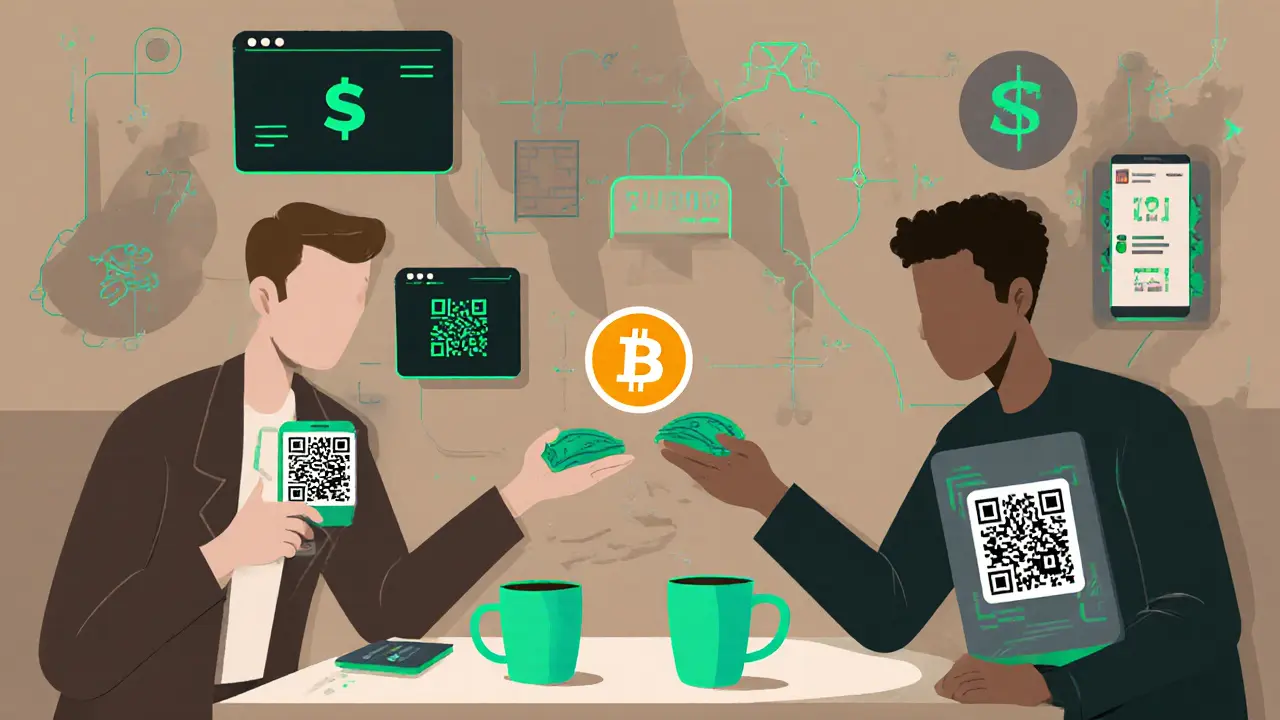
Underground Crypto Trading in North Macedonia: How People Bypass the Ban
Nov 2, 2025, Posted by Ronan Caverly
Despite an official ban since 2017, crypto trading thrives in North Macedonia through P2P platforms and international brokers. Here's how people bypass the rules - and what could change in 2026.
MORESEARCH HERE
Categories
TAGS
- decentralized exchange
- crypto exchange review
- crypto exchange
- crypto coin
- blockchain security
- crypto airdrop guide
- smart contracts
- crypto airdrop
- cryptocurrency
- CoinMarketCap airdrop
- MiCA
- Binance Smart Chain
- crypto compliance
- DeFi
- cryptocurrency exchange safety
- crypto exchange scam
- cryptocurrency exchange
- micro-cap cryptocurrency
- decentralized trading
- cryptocurrency trading