
SushiSwap Polygon Review
When working with SushiSwap Polygon, a decentralized exchange (DEX) that runs on the Polygon network, offering fast trades and low transaction fees. Also known as SushiSwap on Polygon, it combines SushiSwap’s AMM model with Polygon’s scalability.
Polygon, an Ethereum‑compatible layer‑2 solution that reduces gas costs and speeds up confirmations provides the backbone for this DEX. Because Polygon’s block times are under two seconds, SushiSwap Polygon can execute swaps almost instantly, which is a big win for traders who hate waiting. The platform also inherits SushiSwap’s core features: you can add liquidity pools, earn trading fees and SUSHI rewards, and participate in yield farming without leaving the Polygon ecosystem.
Why the Polygon network matters for a DEX
The low‑fee environment directly influences user behavior. When a swap costs a few cents instead of a few dollars, casual users are more likely to experiment with new token pairs. That increase in participation boosts pool depth, which in turn reduces slippage for larger trades. In short, Polygon’s cheap gas enables SushiSwap to offer competitive pricing. Additionally, because Polygon supports many popular wallets (MetaMask, Trust Wallet, etc.), onboarding is straightforward—just switch your network and you’re ready to trade.
Another key point is security. SushiSwap inherits the same smart‑contract audit history it has on Ethereum, while Polygon adds an extra validation layer through its proof‑of‑stake validators. This dual‑chain approach means that any vulnerability would need to be exploited on both layers, raising the bar for attackers. Users benefit from this redundancy without sacrificing speed.
From a developer’s perspective, the ecosystem is friendly. Building a custom pool or launching a new token on SushiSwap Polygon only requires a few lines of Solidity and a deployment to Polygon’s testnet. The documentation mirrors the mainnet version, so there’s no steep learning curve. Because the same router contracts are used across networks, tools like SushiSwap’s UI, analytics dashboards, and third‑party aggregators work out of the box.
Yield farming on SushiSwap Polygon also differs from its Ethereum counterpart. The reduced transaction costs allow users to rebalance positions more frequently, capturing optimal returns without eroding profits on gas. Moreover, many projects choose Polygon for their token launches, so the pool variety on SushiSwap tends to be more experimental, giving early adopters a chance to earn higher SUSHI incentives.
When comparing to other DEXs on Polygon—such as QuickSwap or Uniswap V3—SushiSwap stands out with its built‑in limit orders and the ability to stake SUSHI for extra rewards. These extra features create a more holistic trading experience, especially for users who want to earn while they trade. The platform also supports cross‑chain bridges, letting you move assets from Ethereum to Polygon and back without leaving the UI.
In practice, the user flow is simple: connect your wallet, pick the token pair, set the slippage tolerance, and confirm. The platform automatically calculates the best price by querying multiple pools, so you often get a better rate than a single‑pool swap. For advanced traders, the interface offers charting tools, gas fee estimators, and the option to set limit orders that execute only when market conditions match your target.
Overall, SushiSwap Polygon combines the reliability of SushiSwap’s AMM model with Polygon’s speed and cost efficiency. Whether you’re a casual trader looking for cheap swaps, a liquidity provider chasing high yields, or a developer wanting to launch a new token, this DEX gives you the tools you need without the high Ethereum fees. Below you’ll find a curated set of articles that dive deeper into specific aspects—DAO token mechanics, licensing guides, tokenomics of emerging coins, and more—helping you get the most out of the SushiSwap Polygon experience.
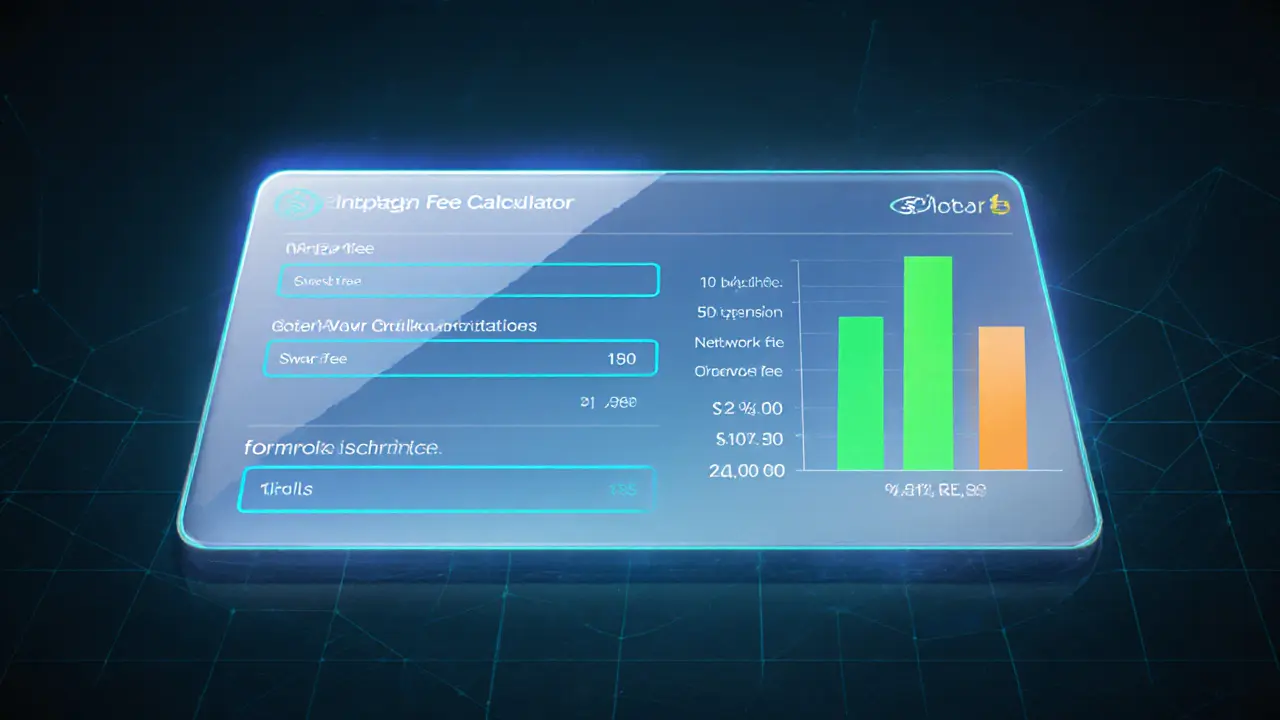
SushiSwap on Polygon: In‑Depth Review & What Traders Need to Know
Jan 30, 2025, Posted by Ronan Caverly
In-depth review of SushiSwap on Polygon covering fees, features, security, comparison with QuickSwap and Uniswap, and future roadmap.
MORESEARCH HERE
Categories
TAGS
- decentralized exchange
- crypto exchange review
- crypto exchange
- crypto coin
- blockchain security
- crypto airdrop guide
- smart contracts
- crypto airdrop
- cryptocurrency
- CoinMarketCap airdrop
- MiCA
- Binance Smart Chain
- crypto compliance
- DeFi
- cryptocurrency exchange safety
- crypto exchange scam
- cryptocurrency exchange
- micro-cap cryptocurrency
- decentralized trading
- cryptocurrency trading